← Maali Uncle website par wapas
Areca Palm Complete Profile: Grow Dypsis Lutescens at Home
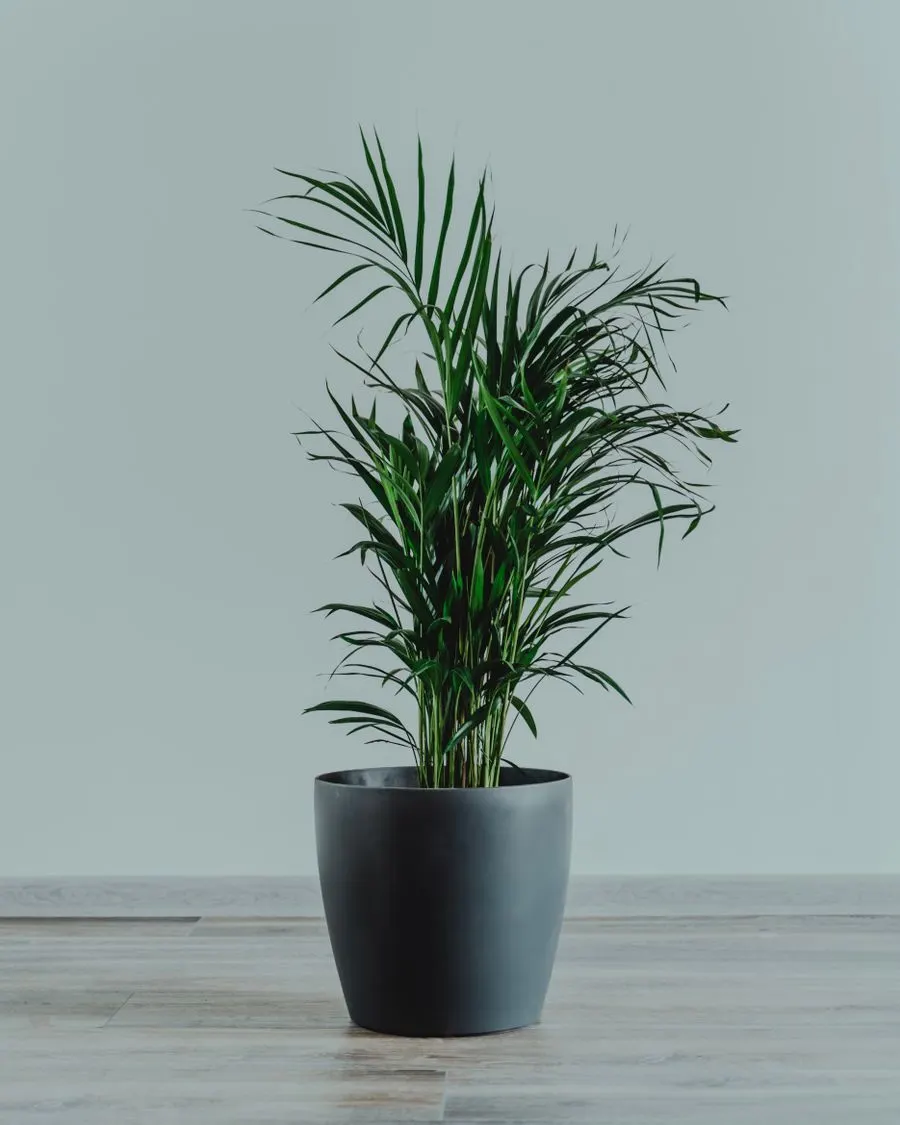
Areca palm is the plant that makes a room feel like a resort — soft, feathery fronds, golden-green canes, and a gentle, tropical presence that no other common houseplant quite matches. It is also a plant that complains visibly: brown tips, yellowing fronds and drooping leaves all tell you, in plain sight, what it needs. This is the complete Maali Uncle profile for areca palm, written in the same 22-field structure as our tulsi profile, our money plant profile and our snake plant profile. Our shorter areca palm care guide covers daily care in brief; this profile is the full reference version.
Identity
- Common names: Areca palm, butterfly palm, golden cane palm, yellow palm
- Botanical name: Dypsis lutescens
- Family: Arecaceae (the palm family)
- Origin: Madagascar, where it grows in moist, warm conditions; now one of the most widely grown indoor palms in India
- Growth habit: a clumping palm — several slender, golden-green canes rise from the base, each topped with soft, feathery, arching fronds. In a pot it typically reaches 1.5–2.5 metres indoors; in the ground in a warm climate it can grow much taller. New fronds unfurl from the centre of each cane
How to identify good areca palm
Look for several upright canes with fresh fronds unfurling from the centre, bright green leaflets with no brown tips, and a firm base with no mushiness. The canes should be golden-green and smooth, not shrivelled or blackened. Avoid plants with widespread yellowing, fronds that are mostly brown at the tips, or a sour smell from the pot, which usually means the soil has been kept too wet. When buying, check the undersides of fronds for fine webbing (spider mites) and the frond bases for white cottony clusters (mealybugs), and choose a plant whose pot feels neither bone-dry nor waterlogged.
Varieties you will actually find
- Dypsis lutescens: the standard areca palm — the one in almost every Indian home and office. This is the variety to buy.
- “Dwarf areca”: not a separate variety — usually just a young Dypsis lutescens, or a plant kept small by its pot. It will grow given time and space.
- Bamboo palm (Chamaedorea seifrizii): often confused with, and sometimes sold as, areca. It has thinner, more bamboo-like canes and narrower leaflets, and it tolerates lower light. A fine plant in its own right, but a different species with slightly different needs.
- Kentia palm (Howea forsteriana): sometimes sold alongside areca; it has broader, darker fronds and a single trunk rather than clumping canes, and it grows far more slowly.
Nursery labels vary and are not always reliable — buy by looking at the plant, not the label. For a first plant, the standard Dypsis lutescens is the best choice.
Sunlight
Bright, indirect light is best: near a bright window with a sheer curtain, or a few feet back from a sunny window. Morning sun is fine and even welcome. Harsh direct afternoon sun scorches the fronds, leaving pale, papery patches and bleached leaflets. In too little light the plant grows slowly, the fronds get sparse, and new growth is weak and pale. If the fronds are fading or the plant has not grown at all in a year, it is almost certainly asking for more light. For more on matching plants to the light your home actually gets, read our low-light rooms guide.
Water
Moderate and regular, and always by the soil test: water when the top 2–3 cm of soil feels dry. For a medium pot that is usually about once a week in summer and once a fortnight in winter, but your pot, your light and your room matter more than any calendar. Water thoroughly, until a little runs out of the drainage holes, then empty the saucer — areca hates sitting in water, and soggy soil is the fastest way to kill it. Brown leaflet tips are the classic sign of a watering problem — irregular watering, long dry spells, or salts from hard water — and dry air makes it worse. If you see brown tips, check the watering first, then the air: a pebble tray or a humidifier helps more than misting. Read our overwatering vs underwatering guide if you are unsure which side you are on.
Soil and pot size
Use a rich, well-draining mix — garden soil or cocopeat with compost and a little sand or perlite, so it holds moisture without staying soggy. Our cocopeat guide explains a useful ingredient. Pot size: generous but not oversized — a 10–12 inch pot suits a young plant, and a mature palm needs a large, heavy pot, both for the roots and for stability, because a top-heavy palm in a light plastic pot falls over in a breeze or a bump. Drainage holes are non-negotiable. A decorative outer pot adds stability. Repot every 2–3 years in spring, or when roots circle the pot — and expect the plant to sulk for a few weeks after repotting, which is normal. Our pot-choosing guide covers the trade-offs.
Propagation
Division — the reliable way. A mature, multi-cane plant can be divided at repotting time: gently separate the root ball into two or three clumps, each with canes and roots of its own, and pot each separately. Water well and keep the divisions out of harsh sun until they settle. Division is the only practical method for a home grower.
Seed. Areca produces seed in warm conditions, but germination is slow — often several weeks to a few months — and seedlings take years to become a presentable plant. Not worth it when division is available.
Do not try to propagate areca from a single frond or a cane cutting — palms do not root that way, and the cutting will simply die.
Pruning
Remove only fronds that are fully brown or dead, cutting them close to the cane — never cut a frond that is still partly green, because the plant is still using it. Never cut the top of a cane: each cane grows from a single point at its tip, and cutting it kills that cane. Do not trim brown tips off otherwise-healthy fronds for looks — the cut edge browns again and the frond looks worse; fix the watering and air instead. Wiping fronds with a damp cloth every few weeks keeps them glossy, removes dust and lets you spot pests early.
Fertilisation
Light feeding only: a balanced liquid fertiliser at half strength, once a month during the growing season (roughly March to October). None in winter, when growth slows. Overfeeding shows up as brown leaflet tips and salt crust on the soil surface — if you see that, flush the pot with plain water and skip the next few feeds. A small top-up of vermicompost in spring is usually enough for a plant that is already growing well; see our compost comparison guide for the differences.
Flowering and harvesting
Mature areca palms occasionally flower — small, yellow, lightly fragrant flowers in branching clusters, usually in the warm season — followed by small, round, yellow-orange fruits. Flowering is uncommon indoors and nothing to worry about; the flowers can be left or cut away. There is nothing to harvest: the plant is ornamental, and its fronds and fruits are not eaten.
Pests and diseases
Spider mites are the most common pest, thriving in hot, dry air — fine webbing under the fronds and speckled, dull leaflets are the signs. Raise humidity, rinse the fronds, and wipe them regularly. Mealybugs hide in the frond bases as white cottony clusters — remove with a cotton bud dipped in diluted soap or alcohol. Scale appears as small brown bumps on canes and fronds; scrape off and treat the same way. Root rot from soggy soil is the most serious problem — the base turns soft and the fronds collapse. Prevention (drainage, watering only when the top soil is dry) matters far more than any cure. For identification and control in detail, read our pest identification guide and our root rot guide.
Seasonal care
Summer (April–June): the fastest growth season, and the thirstiest — water more often as pots dry faster, keep the palm out of harsh afternoon sun, and raise humidity if the air is very dry. A balcony areca needs afternoon shade.
Monsoon (July–September): growth is fast and humidity is high, which the palm loves — but watch drainage on outdoor plants, and do not let pots sit in rainwater. A good season for repotting and division.
Winter (November–February): growth slows sharply. Water much less, stop fertiliser, and keep the plant above about 10°C, away from cold draughts and cold windows. Areca dislikes cold — in a cold Delhi winter keep it indoors, in the warmest bright spot you have, and do not leave it on a cold balcony overnight.
Companion plants
Areca pairs well with other humidity-loving indoor plants — money plant, peace lily and ferns all share its preference for bright, humid conditions and make a good mixed display. It is the classic plant for a bright living room corner or a covered balcony. Avoid putting it in the same pot as a plant with opposite watering needs — a palm in the same pot as a thirsty fern will either be overwatered or the fern will dry out.
Uses
Ornamental first and foremost — its soft fronds and golden canes suit living rooms, offices, lobbies and bright balconies, and it is one of the few indoor plants that genuinely fills a corner. Areca is listed as non-toxic to cats and dogs, which makes it one of the safest large houseplants for a home with pets — a real advantage over many other palms and houseplants. On air purification, be honest: areca is often called an air-purifying plant because of a well-known NASA study, but that study tested plants in small sealed chambers. In a real room, one or two plants make little measurable difference to air quality — open windows and ventilation do far more. Grow it because it is beautiful and softens a room, not because it will clean your air.
Interesting facts
- Areca is a clumping palm — new canes keep sprouting from the base, so a single plant slowly becomes a small grove, which is why it is also called butterfly palm: the fronds spread like wings.
- In its Madagascan home it grows into a tall palm with a slender trunk — the golden canes you see in a pot are the young, clumping stage.
- It was one of the plants tested in the well-known NASA clean-air study, which is why it appears on almost every “air-purifying plants” list — though the study used sealed chambers, not real rooms.
- The fronds are sometimes used as decoration at weddings and festivals in India, and the palm is a common sight in hotel lobbies and offices across the country.
Limitations and toxicity
Areca palm is listed as non-toxic to cats and dogs — one of the safest large houseplants for pet homes. Its leaves and fruits are not food for people either, and no part of it should be eaten. Its real limitations are practical: it is a big plant that needs floor space and a heavy pot, it will not thrive in a dark corner, it needs regular watering and will not forgive long dry spells the way a snake plant does, and it dislikes cold — a Delhi winter on an exposed balcony can damage it. A top-heavy palm in a light pot is also a tipping hazard around children and pets, so use a heavy pot or a decorative outer pot for stability.
Frequently asked questions
Why are the leaflet tips brown? Almost always irregular watering, dry air, or salts from hard water or fertiliser. Water regularly when the top soil dries, raise humidity, and use rested tap water or rainwater if you can. Do not trim the brown tips — fix the cause instead.
Why are the lower fronds yellowing? Old lower fronds yellow and die naturally as new ones grow from the centre — one or two at a time is normal. Widespread yellowing, especially with wet soil, points to overwatering; yellowing with dry soil points to thirst.
Can an areca palm live on a balcony? Yes, in bright shade or morning sun, protected from harsh afternoon sun and strong wind. In a Delhi summer, a balcony areca needs more frequent watering and afternoon shade; in winter, bring it in on cold nights.
How tall will it get? In a pot indoors, typically 1.5–2.5 metres over several years. In the ground in a warm climate it can grow much taller. A pot-bound plant stays smaller — which is usually what you want indoors.
Why is my palm drooping? Usually thirst, or root damage from overwatering — check the soil before watering again. A palm that has been moved or repotted may also droop for a few weeks while it settles.
Why are there no new fronds? Usually too little light, or it is winter. Move it brighter in the growing season and be patient: palms grow one frond at a time, and a new frond takes weeks to unfurl.
Maali Uncle ki gardening guide — ghar par paudhon ki dekhbhal, aasan tareeke se. This profile follows the same 22-field structure as our tulsi, money plant and snake plant profiles. Apni jagah ke hisab se salah ke liye Expert Maali book karein.
Is page ko Maali Uncle app mein kholo: app mein kholo