← Maali Uncle website par wapas
Tulsi Complete Plant Profile: Grow Holy Basil at Home
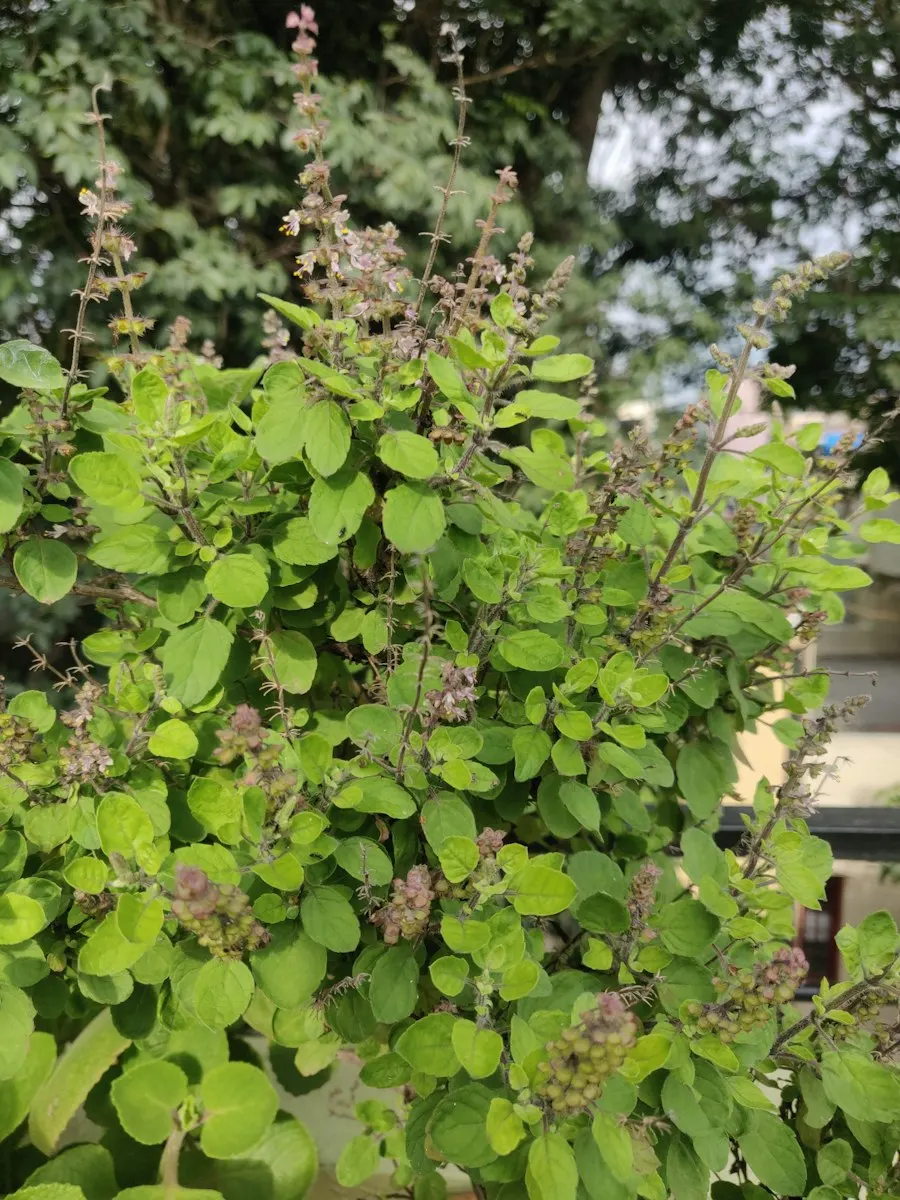
Tulsi is the plant most Indian homes already know — and the one most often killed by kindness: too much water, too little sun, or a pot with no drainage. This is the complete Maali Uncle profile for tulsi, written in the same 22-field structure every future plant profile on this site will follow. Everything here is practical, Delhi-tested common practice; traditional uses are marked as traditional, not medical advice.
Identity
- Common names: Tulsi, Holy Basil
- Botanical name: Ocimum tenuiflorum (also sold as Ocimum sanctum)
- Family: Lamiaceae (mint family — note the square stems and aromatic leaves)
- Origin: Indian subcontinent, grown across India for centuries; tropical and subtropical by nature
- Growth habit: bushy, aromatic herb; typically 30–60 cm in a pot, woodier with age; short-lived perennial in warm climates, often grown as an annual where winters are cold
How to identify good tulsi
Crush a leaf: real tulsi releases a strong, clove-like aroma from its essential oils (including eugenol). Stems are squarish, leaves are oval with slightly toothed edges, and flowers come as small white-to-purplish spikes. When buying, choose a plant with dense leaves from the base up — a tall, bare stem with leaves only at the top is already leggy from low light.
Varieties you will actually find
- Rama tulsi: green leaves, milder aroma — the most common pot tulsi.
- Shyama / Krishna tulsi: purple-tinged leaves and stems, stronger aroma; commonly considered hardier.
- Vana tulsi: wilder, woodier type, less common in nurseries.
Nursery labels vary and are not always reliable — buy by looking at the plant, not the label. For a first pot, either Rama or Shyama is fine. Our shorter tulsi care guide covers daily care in brief.
Sunlight
Full sun is best: 4–6 hours of direct sun daily. Tulsi tolerates part sun but grows leggy and pale, with weaker aroma. A south- or east-facing balcony is ideal. In peak May–June heat, very harsh afternoon sun can stress a small pot — a little afternoon shade is fine, but never move it into full shade.
Water
Moderate, and always by the soil test: water only when the top 2 cm of soil feels dry. In summer that may be daily for a small pot; in winter it may be twice a week. Water in the morning, at the soil — not over the leaves — and always empty the saucer. Soggy soil is the number one tulsi killer: roots rot, leaves yellow from the bottom up, and the plant collapses. If that happens, see our yellow-leaves diagnosis guide.
Soil and pot size
Use a light, free-draining mix — our potting-mix guide recipe works well (garden soil/cocopeat + vermicompost + sand/perlite). Pot size: 8–12 inches for one plant; bigger pots stay wet longer, so do not over-pot a small sapling. Drainage holes are non-negotiable. Terracotta dries faster and suits people who tend to overwater.
Propagation
From seed: scatter on moist mix and press lightly — tulsi seeds need light to germinate, so do not bury them deep. Keep moist until sprouting. From cuttings: a 4–6 inch stem cutting (non-flowering tip) roots in water or moist mix within a couple of weeks. Seed-grown plants vary; cuttings copy the mother plant exactly.
Pruning: pinch, don't let it flower (unless you want seeds)
Pinch the growing tips regularly — this is what keeps tulsi bushy instead of tall and bare (the same auxin principle as our pinching fact). When flower spikes appear, the plant puts energy into seeds and leaf growth slows; for leafy growth, snip spikes off. Leave one spike if you want seeds for the next season.
Fertilisation
Light feeding only: a handful of vermicompost or well-rotted compost every 3–4 weeks in the growing season (spring–summer) is enough. Stop fertilising in winter when growth slows — fertiliser on a dormant plant can burn roots.
Flowering and harvesting
Flowers appear as small spikes, mainly in warm months, and attract bees — a small pollinator bonus on a balcony. Harvest leaves in the morning when aroma is strongest, and never strip more than about a third of the plant at once. Regular light harvesting is itself good pruning.
Pests and diseases
- Aphids / whitefly: occasional, especially on soft new growth — wash off with a strong water spray and isolate the plant; check leaf undersides.
- Root rot: from waterlogging — the real killer. Fix drainage, not sprays.
- Fungal leaf spots: in humid, still air — improve airflow, water at the soil, remove affected leaves.
Seasonal care in North India
- Summer: peak growth; water more often, mulch the pot surface, watch for drying out in small pots.
- Monsoon: growth is lush but drainage matters most — empty saucers, move pots out of continuous downpour if soil stays soggy.
- Winter: growth slows sharply; halve watering, stop fertiliser, keep the pot in the sunniest sheltered spot. Cold nights weaken tulsi; it rarely survives a true frost, so Delhi gardeners should protect it on the coldest nights.
For what else to grow this season, see our November planting guide.
Companion plants
Tulsi sits well in a kitchen-garden group with marigold and vegetables, and its flowers help pollinators. Keep mint in its own pot (mint takes over shared pots) — companionship does not mean sharing one pot.
Kitchen and traditional uses (traditional, not medical)
Tulsi leaves are traditionally used in kadha and herbal chai, chutneys, and daily home routines — that is traditional use, and this profile makes no treatment claim. For anything medicinal, consult a qualified practitioner; this guide is about growing the plant well. Our tulsi fact states the same boundary.
Interesting facts
- Tulsi's aroma comes from essential oils — the same reason crushing a leaf releases such a strong scent.
- Its flowers feed bees and other pollinators, making one pot useful beyond the kitchen.
- It is one of the few plants most Indian gardeners can identify by smell alone.
Limitations and safety
Culinary use of tulsi leaves in normal food quantities is generally regarded as safe. No major pet-toxicity warning applies to ordinary tulsi, but discourage pets from stripping the plant bare. Medicinal-dose use is outside this guide. If your tulsi keeps dying despite correct water and sun, the cause is usually the pot (no drainage) or winter cold — not a mysterious disease.
Frequently asked questions
Why is my tulsi dying in winter? Almost always cold + overwatering together. Halve water, stop fertiliser, sunniest spot.
Why is it tall and bare? Too little light and no pinching. Move to more sun and start pinching tips.
Seeds or sapling for a beginner? A healthy sapling — faster, and you can see what you are buying.
Rama or Shyama for a pot? Either. Shyama is commonly considered hardier; Rama is milder and more common.
Should I remove flowers? For leafy growth, yes. For seeds, leave one spike to mature.
Can tulsi grow indoors? Only with several hours of direct sun (a sunny windowsill). In low light it weakens within weeks.
Maali Uncle ki gardening guide — ghar par paudhon ki dekhbhal, aasan tareeke se. This profile is the template for every future plant profile on Maali Uncle. A visual tulsi care card is being prepared and will be added here when ready. Apni jagah ke hisab se salah ke liye Expert Maali book karein.
Is page ko Maali Uncle app mein kholo: app mein kholo