← Maali Uncle website par wapas
What Is Cocopeat? The Coconut-Husk Medium, Explained Honestly
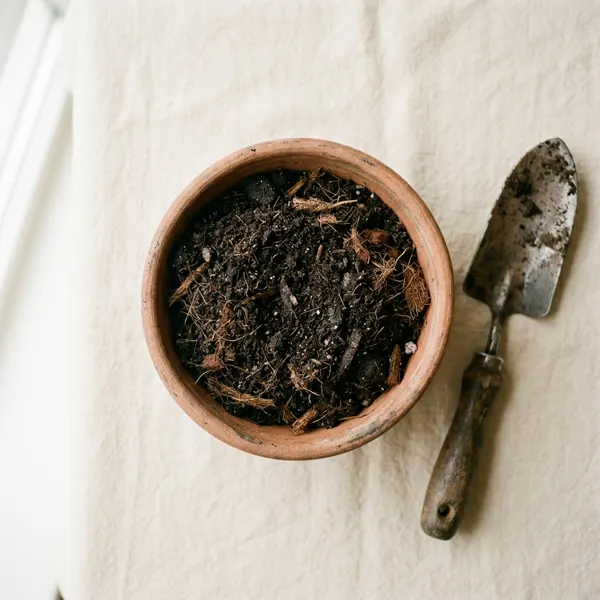
Cocopeat — also called coir pith or coco coir — is the fine, spongy fibre left over when coconut husks are processed for coir. It arrives as a compressed brick or block that swells up many times its size when soaked, and it has become one of the most common growing media in Indian home gardening. It deserves its popularity, and it deserves its warnings too: cocopeat is a medium, not a fertiliser, and using it as if it were soil is where most beginners go wrong.
What it does well
Cocopeat holds a lot of water for its weight while still holding air in its pores, so roots get moisture and oxygen together — a combination ordinary garden soil often fails at. It is light, so pots stay moveable; it is near-neutral in pH, typically around 5.5 to 6.5, which suits most houseplants and vegetables; it breaks down slowly, so a mix keeps its structure for a season or more; and it is a renewable by-product rather than mined peat. These are the reasons it works so well for seed starting, for microgreens trays (see How to Grow Microgreens at Home) and as one ingredient in a potting mix.
What it does not do
Cocopeat contains almost no plant nutrients of its own. A plant grown in pure cocopeat will germinate and grow for a while on seed reserves and whatever you feed it — and then stall, yellow and weaken if it is never fed. That is the single most important fact about cocopeat: it is a structure, not a food. It can also carry residual salts from the coconut husk and from processing, especially in cheaper, unwashed bricks; and because it holds water so well, a pot of pure cocopeat in a shady indoor spot can stay wet long enough to invite root rot. Used alone, it is a short-term medium. Used in a mix, it is excellent.
The salt and buffering note
Good cocopeat is washed and buffered — rinsed to remove excess salts and treated so it does not lock up calcium and magnesium from your fertiliser. Cheap unwashed bricks may need a soak and several rinses before use: soak the brick, break it up, rinse with clean water and let it drain. If seedlings in cocopeat grow pale or stunted despite feeding, excess salt or unbuffered coir is a likely suspect. Buying a reputable, washed product is usually simpler than fixing a poor one, and the price difference is small compared with a season of struggling plants.
How to use it well
Think of cocopeat as one third of a good mix, not the whole mix. A practical starting recipe for containers is roughly equal parts cocopeat, garden soil or compost, and a drainage material such as perlite or coarse sand — adjusted for the plant: more cocopeat for thirsty leafy plants, less for succulents. For seed starting and microgreens, fine cocopeat alone is fine for the short cycle, because the plant is harvested before nutrition becomes limiting. Always moisten cocopeat before potting — dry cocopeat can be hydrophobic at first and shed water instead of absorbing it. And always feed: a plant in a cocopeat mix depends on you (or on compost in the mix) for its nutrition, so a regular, gentle feeding schedule matters. See What Is Vermicompost? and our complete kitchen gardening guide for feeding and mix ideas.
When not to use it alone
Do not grow a long-term plant — a shrub, a fruiting vegetable, a perennial herb — in pure cocopeat and expect it to thrive. Do not use it for cactus and succulents without a large share of grit or perlite, because it holds too much water for them. And do not use a brick you have not rinsed if the label gives no sign it was washed. Stored dry, cocopeat keeps for a long time; stored wet, it can go sour, so keep unused bricks dry and sealed.
FAQs
Is cocopeat the same as soil? No. It is a soilless medium — it gives roots structure, air and water, but almost no nutrients. Can I grow vegetables in pure cocopeat? Only with a proper feeding programme, such as hydroponic nutrients; for ordinary home pots, mix it with compost and soil. How long does cocopeat last in a pot? Typically a season or more before it breaks down and compacts; refresh the mix when repotting. Is cocopeat good for microgreens? Yes — it is one of the best tray media, used fresh each sowing. Does cocopeat attract pests? Not especially, but a constantly soggy cocopeat pot can attract fungus gnats, like any wet medium.
Setting up a potting mix for your plants? Book an Expert Maali — we build mixes to match your plants, pots and watering habits.
Is page ko Maali Uncle app mein kholo: app mein kholo