← Maali Uncle website par wapas
Complete Kitchen Gardening Guide for Indian Homes
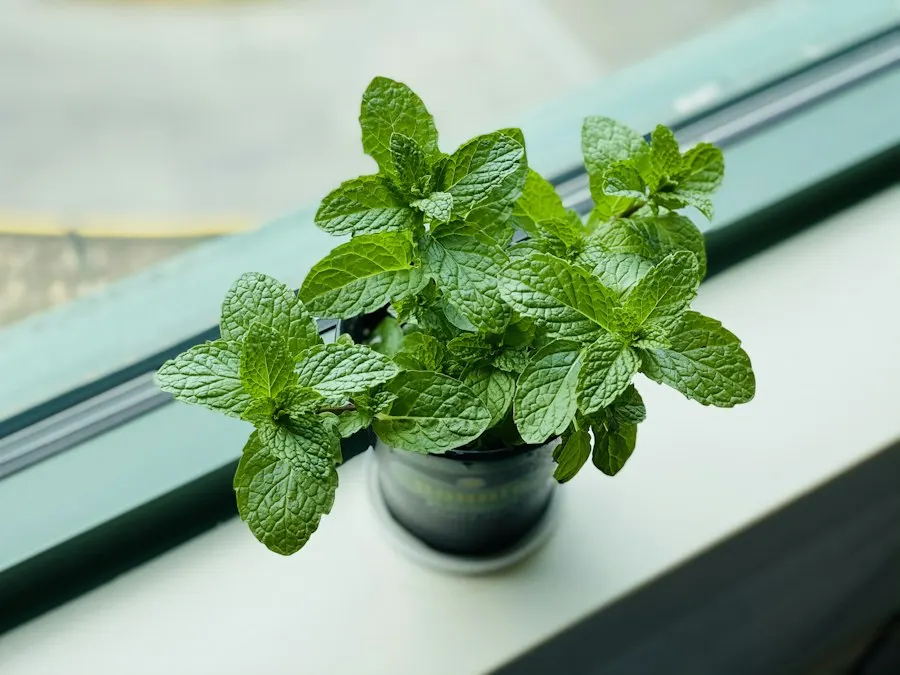
A kitchen garden is not a farm shrunk into pots. It is a small, well-planned patch that gives you fresh herbs and a few vegetables every week, in the space you actually have. This guide covers the planning decisions that decide whether a kitchen garden thrives or fizzles out: sun, containers, soil, water, what to sow when, and how to keep harvesting instead of starting over every season.
Step 1: count your sunlight before you buy seeds
Most vegetables and herbs need at least 4 to 6 hours of direct sun to fruit or grow strongly. Leafy greens and many herbs manage with 3 to 4 hours of bright light. Before buying anything, watch your balcony or terrace for a day: which patches get morning sun, which get harsh afternoon sun, and which stay shaded? Morning sun is gentler and ideal for most edibles. A west-facing balcony in a Delhi May will scorch tender leaves, so plan shade cloth or afternoon shelter for summer greens. If your only space gets under 3 hours of sun, grow mint, coriander and leafy microgreens rather than tomatoes or chillies, and accept smaller yields.
Step 2: containers that suit the crop
Match pot depth to roots. Herbs like mint, coriander and basil do well in pots about 20 to 30 cm deep. Tomatoes, chillies and brinjal need deeper pots — typically 30 cm or more — plus a stake or cage for support; see the tomatoes in pots guide for the details. Leafy greens manage in shallow trays and rectangular planters. Always use pots with drainage holes, and raise them slightly off the floor so water can escape. Grow bags work well on terraces because they drain freely and are light to move, but they dry faster in summer, so check them more often.
Step 3: soil for edibles, kept simple
Edibles need soil that holds moisture but drains freely, and is rich in organic matter. A practical home mix is garden soil, mature compost and cocopeat or sand in roughly equal parts. Mix in a handful of mature vermicompost or well-rotted manure per pot at planting time — never fresh manure on edibles, because it can burn roots and carry pathogens. Top up with a thin layer of compost every month or so during the growing season, rather than dumping a large amount at once. If white fuzz appears on the soil surface, it is usually harmless mould — the white fungus guide explains how to tell and fix it.
Step 4: water steadily, especially for fruiting plants
Uneven watering is the hidden cause of many vegetable problems: cracked tomatoes, bitter cucumbers and dropped flowers often trace back to soil swinging between dry and soaked. Water in the early morning, water the soil rather than the leaves, and mulch the surface with dry leaves or straw to slow evaporation. In summer, containers may need water daily; in winter, every few days is usually enough. Always check with a finger before watering — a schedule on a calendar cannot feel your soil.
Step 5: sow by season, and sow little and often
North India has two main vegetable seasons. The cool season (roughly October to February) suits spinach, methi, coriander, peas, carrots, radish, cauliflower and cabbage. The warm season (roughly March to June) suits tomato, chilli, brinjal, okra, cucumber and bottle gourd, with care in peak heat. Instead of sowing everything at once, sow a small batch every 2 to 3 weeks — this is succession sowing, and it means you harvest steadily instead of getting one glut and then nothing. Keep a simple notebook: date sown, variety, pot, and first harvest. After one season, that notebook is worth more than any generic calendar.
Step 6: pests, handled early and gently
Check under leaves weekly. Aphids cluster on tender new growth; mealybugs look like tiny cotton clumps in leaf joints — the mealybugs and aphids guide covers identification and control in detail. For a small kitchen garden, hand-picking, a strong jet of water, and neem oil sprayed in the evening (never in harsh sun) handle most problems. Isolate a badly affected plant so pests do not spread to the whole patch, and wash harvested leaves thoroughly before eating. Avoid spraying anything on a plant you plan to harvest the same day.
Step 7: harvest in a way that keeps plants producing
Pick herbs from the top, pinching just above a leaf pair, so the plant branches instead of growing tall and leggy. Pick leafy greens leaf by leaf from the outside, leaving the centre to keep growing. Pick tomatoes and chillies when fully coloured but still firm — leaving overripe fruit on the plant slows new fruit. Taste as you go: home-grown herbs are strongest when picked fresh in the morning, and a small daily harvest beats a large weekly one for flavour.
A first kitchen garden: what to plant first
For a first attempt, plant mint (in its own pot — it spreads aggressively), coriander, basil or tulsi, one tomato plant in a large pot, and one leafy green like spinach or methi. That combination covers daily cooking, teaches you watering, feeding and pest-checking, and gives a harvest within weeks rather than months. Once that patch runs smoothly for a season, add chillies, then a gourd or cucumber with a trellis if you have the space.
FAQs
Can I grow vegetables on a shaded balcony? Leafy greens and herbs, yes, with modest yields. Fruiting vegetables need real sun — without it they grow leaves but little fruit.
How much time does a kitchen garden take? A small balcony patch takes roughly 10 to 15 minutes a day in the growing season: watering, a quick pest check, and harvesting. The heavy work is at setup and at seasonal changeover.
Is kitchen garden produce safe to eat? Wash all harvests well, use only well-rotted compost or manure, and avoid spraying chemicals close to harvest. If you are unsure about a spray, wait and wash — or skip that harvest.
For a balcony plan matched to your sun and space, see how to start a balcony garden, or book an Expert Maali for a setup visit.
Is page ko Maali Uncle app mein kholo: app mein kholo