← Maali Uncle website par wapas
What Is Vermicompost? A Practical Guide for Indian Homes
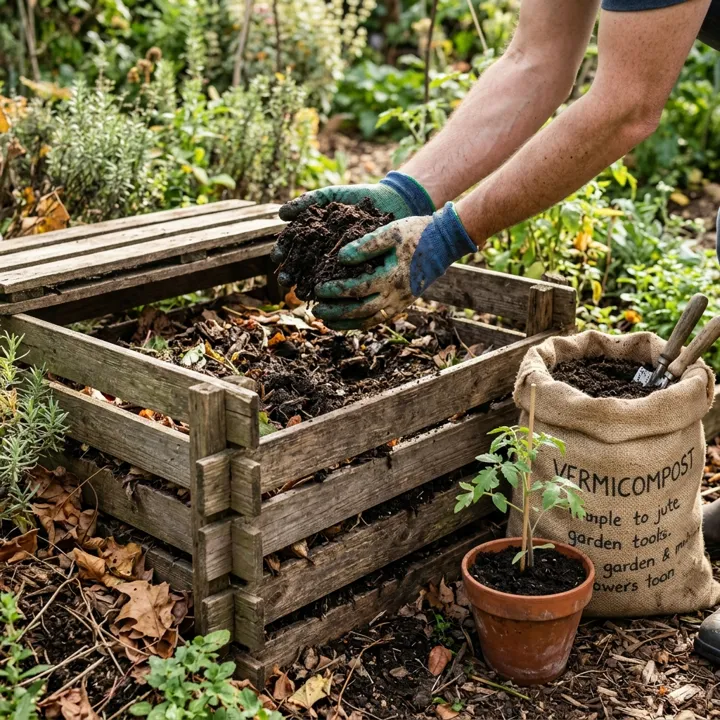
Vermicompost is compost made with earthworms. The worms eat kitchen and garden waste, and what passes through them comes out as a dark, crumbly material that smells like damp earth. It is not soil, and it is not a chemical fertiliser — it is an organic soil enricher. Used well, it makes tired potting mix hold moisture better, drain better and feed plants more steadily. Used badly, it is just expensive dirt.
What it actually is
Ordinary compost is made mainly by microbes breaking waste down over months. Vermicompost adds earthworms to the process — commonly red wigglers (Eisenia fetida) in home and commercial setups. The worms shred and digest the waste, and their castings (droppings) are rich in organic matter and plant-available nutrients. Good vermicompost is dark brown to black, soft and crumbly, and smells earthy, not sour. If a bag smells sharp or like ammonia, it is probably not fully mature — let it air out, or do not use it yet.
Two honest limits matter. First, vermicompost is a soil conditioner with nutrients, not a complete fertiliser on its own: hungry plants like tomatoes and roses still benefit from regular feeding during the growing season. Second, quality varies a lot between sellers. There is no single guaranteed nutrient percentage for a home bag, so judge it by look, smell and results in your pots, not by big claims on the packet.
How to use it in pots
- Mixing a new pot: add roughly one part vermicompost to three to four parts potting mix. More is not better — a pot that is mostly vermicompost can stay too wet and compact over time.
- Feeding an existing plant: spread a thin layer, about 1 to 2 cm, on the soil surface and scratch it lightly into the top layer. Water gently afterwards. Repeat every four to six weeks in the growing season; in winter, feed less often because most plants grow slowly.
- Seed starting: mix a small amount into the seed mix for steady early growth, but keep the mix light and free-draining — seeds rot in heavy, wet mix.
- Edibles: use only mature, earthy-smelling vermicompost on vegetables and herbs, and wash all harvests well before eating. Never use fresh manure on edibles, and the same caution applies to any compost that is not fully broken down.
Making it at home: the short version
A home worm bin is a ventilated container with bedding (shredded newspaper, dry leaves or cocopeat, kept damp like a wrung-out sponge), a starter set of worms, and regular small additions of kitchen waste. Fruit and vegetable peels, tea leaves and crushed eggshells suit worms well. Avoid meat, dairy, oils and large amounts of onion, garlic or citrus, which worms dislike and which can make the bin smell. Keep the bin in shade, out of harsh sun and heavy rain, and do not overfeed — uneaten food rots before the worms reach it. A first harvest typically takes two to three months: stop feeding one side, let the worms move to fresh food on the other side, and collect the dark castings left behind.
Common home-bin problems have simple fixes. A smelly bin usually means too much wet food or too little air — add dry bedding and pause feeding for a week. Fruit flies mean exposed food — bury scraps under bedding. A bin that is too dry stalls the worms — sprinkle water until the bedding feels damp, not dripping.
Mistakes that waste vermicompost
- Storing it in a sealed plastic bag in the sun: heat and no air kill the useful microbes. Store it cool, shaded and slightly ventilated, and use it within a few months.
- Dumping a thick layer on a struggling plant: if a plant is yellow or wilting, the cause is usually water, light or root rot — check the yellow leaves guide and the root rot guide before adding more feed.
- Confusing it with compost, manure and cocopeat: they are different materials. Compost is broken-down organic matter, manure comes from animals, and cocopeat is coconut fibre that holds water but feeds little. Vermicompost complements them; it does not replace good drainage or the right potting mix. See the complete kitchen gardening guide for a simple soil mix that uses all of them sensibly.
FAQs
Is vermicompost enough on its own for my plants? For light feeders and leafy greens, a vermicompost-enriched mix often is, for a while. Heavy feeders and flowering plants usually need additional feeding through the season.
Can I use it for indoor plants? Yes, in small amounts as a top dressing — a handful for a medium pot, not a thick layer. Indoor pots dry slowly, so a heavy, wet layer can invite fungus gnats and the white fuzz covered in the white fungus guide.
How do I know a bag is good quality? Dark, crumbly, earthy-smelling and free of unrotted food pieces is a good sign. Sour, ammonia-like or slimy material is not ready. When in doubt, mix a small amount into one pot and watch the plant for two weeks before using it everywhere.
For a soil mix matched to your pots and plants, book an Expert Maali — the right mix depends on your pot size, light and watering habit, not on one product alone.
Is page ko Maali Uncle app mein kholo: app mein kholo