← Maali Uncle website par wapas
How to Choose the Right Plant Pot
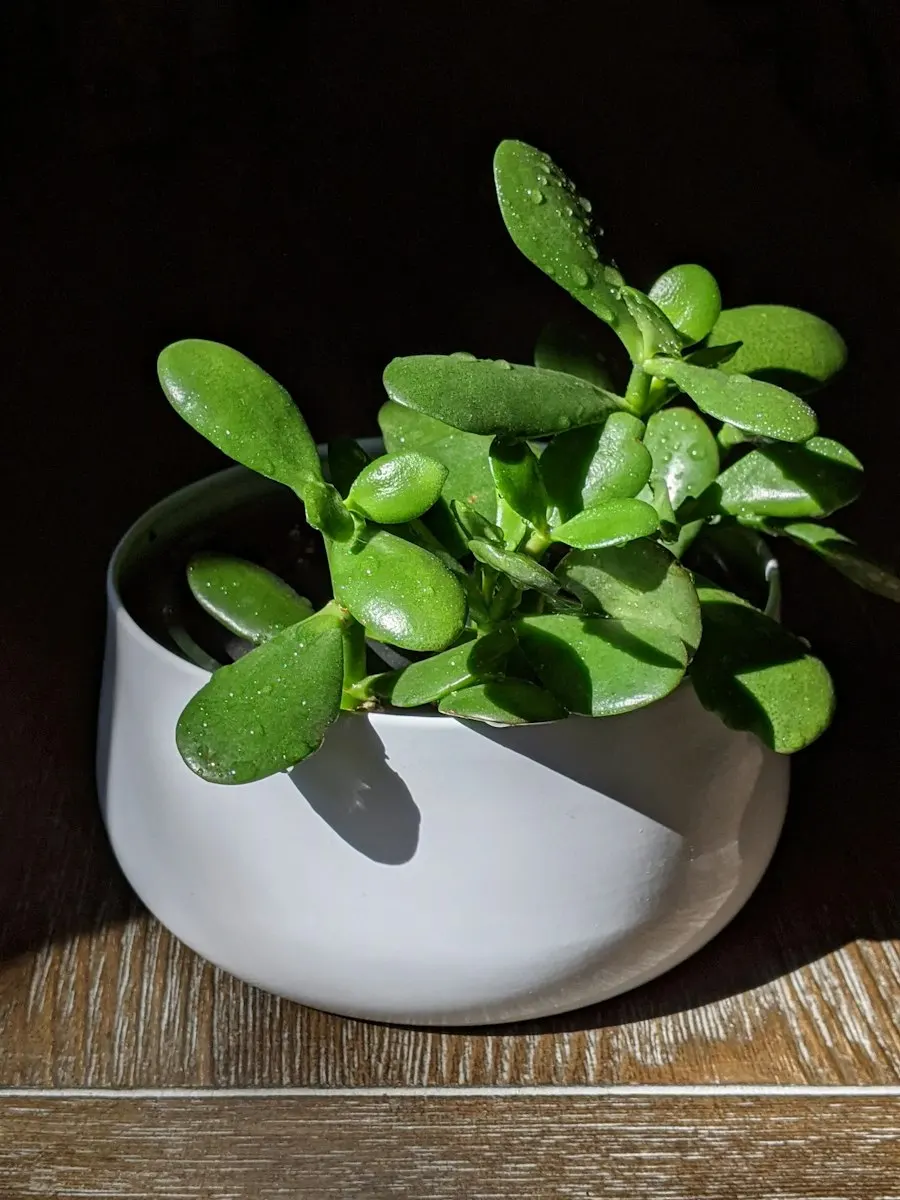
Beginners obsess over plants and ignore pots — yet the pot decides how wet the soil stays, how roots grow, and how heavy your balcony gets. This guide gives you a decision order: drainage first, size second, material third, looks last.
Rule 1: drainage holes are non-negotiable
Every pot needs at least one drainage hole, and a saucer beneath it that you actually empty. Pots without holes can work only for experts who water by weight and measurement — for everyone else they are slow plant killers, because excess water has nowhere to go and roots rot (see our root rot guide). If you fall in love with a hole-less decorative pot, use it as a cover pot: keep the plant in a plain nursery pot with holes inside it, and empty the cover pot after watering.
Rule 2: size — only slightly bigger than the roots
Choose a pot 1–2 inches wider than the current root ball. A much bigger pot holds a large volume of wet soil that small roots cannot drink, so the mix stays soggy and roots rot. Signs you need to size up: roots circling the pot or pushing out of drainage holes, water running straight through without wetting the mix, or the plant toppling because it is top-heavy. Repotting into a pot two sizes up "for future growth" is a common beginner mistake — roots grow into the space; they do not need it in advance.
Rule 3: depth matches the plant
- Deep pots (12–15 inch): tomatoes, root vegetables, large shrubs — plants with deep root systems.
- Medium pots (8–12 inch): most houseplants, herbs, leafy greens.
- Shallow, wide pots: succulents, cacti, microgreens trays — plants with shallow roots that hate wet feet.
Rule 4: material trade-offs
| Material | Good for | Watch out for |
|---|---|---|
| Terracotta (mitti) | Over-waterers, succulents, hot balconies — breathes, dries faster, keeps roots cooler | Heavy; dries fast so thirsty plants need more frequent watering; can crack in frost |
| Plastic | Light, cheap, good for railings and hanging; holds moisture longer | Overheats in harsh sun; easy to overwater because soil stays wet |
| Ceramic (glazed) | Looks premium; moisture retention between terracotta and plastic | Heavy and breakable; check it actually has a drainage hole — many decorative ones do not |
| Grow bags / fabric | Vegetables, temporary setups; excellent drainage and air-pruning of roots | Dry out fast in summer wind; less tidy-looking |
Our terracotta fact explains why clay pots keep roots cooler.
Rule 5: weight and placement
Wet soil is heavy — a large terracotta pot can weigh 20–30 kg. Keep heavy pots on the floor near the wall, not on railing edges, and check balcony load rules before adding many large pots. Our balcony guide covers placement in detail.
Frequently asked questions
Can I reuse old pots? Yes — scrub them clean and rinse before reuse, so pests and fungi from the last plant do not carry over.
Do I need pebbles at the bottom for drainage? No — pebbles raise the water table inside the pot and reduce root space. Drainage holes and free-draining mix do the real work.
What about self-watering pots? They suit thirsty plants and forgetful waterers, but keep the reservoir modest — succulents and cacti do poorly in them.
How often should I repot? Most houseplants every 2–3 years, or when roots are crowded. Repotting yearly "just because" disturbs healthy roots.
Does pot colour matter? Dark pots absorb more heat in direct sun, which can stress roots in summer. In harsh sun, prefer light-coloured or terracotta pots.
Maali Uncle ki gardening guide — ghar par paudhon ki dekhbhal, aasan tareeke se. Mitti ki recipe ke liye potting-mix guide dekhein, aur paudhon ke liye Plant Library — uplabdhata team se confirm hoti hai.
Is page ko Maali Uncle app mein kholo: app mein kholo