← Maali Uncle website par wapas
Best Plants for Low-Light Rooms in Indian Homes
Every plant seller has heard the same request: "Give me something for a room with no sunlight." The honest answer is that no plant grows in darkness. But several common houseplants genuinely cope with low light — the soft, indirect light a few feet from a window, or a bright room that never gets direct sun. The trick is knowing which ones, and changing how you care for them once they live there.
First, test your light honestly
Stand where the plant will live at midday and hold your hand about 30 cm above a sheet of paper. A sharp, dark shadow means bright light. A soft, fuzzy shadow means medium to low light. Almost no shadow at all means very low light — only the toughest plants will survive there, and they will grow slowly. North-facing rooms in Delhi flats, rooms shaded by a neighbouring building, and corners far from any window usually fall in the low-light range. The indoor plants complete guide explains this test in more detail, and it is worth doing before you buy anything.
The plants that actually cope
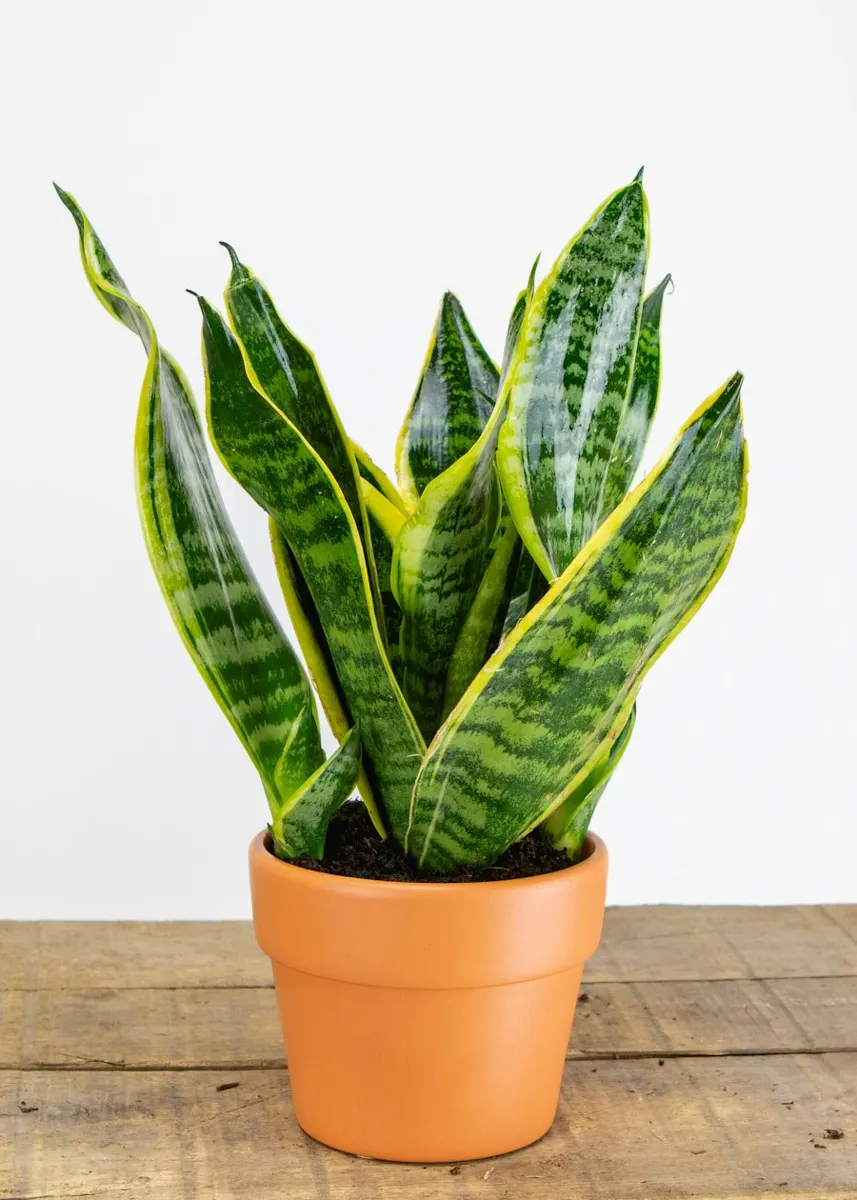
Snake plant (Dracaena trifasciata). The toughest of the lot. It tolerates low light, missed watering and dry air, and it is the plant to choose if you are unsure about anything else. In low light it simply grows more slowly. Water only when the soil is dry most of the way down — overwatering, not low light, is what kills it. See the full snake plant care guide.
ZZ plant (Zamioculcas zamiifolia). Glossy, upright leaves and a rhizome that stores water, so it forgives both low light and forgetful watering. Like the snake plant, it wants a pot with drainage and soil that dries out between waterings. It grows slowly in dim rooms — that is normal, not a problem to fix with fertiliser.
Money plant (Epipremnum aureum, pothos). The classic Indian indoor plant, and one of the best low-light trailers. In dim light the variegated types turn mostly green and grow longer gaps between leaves, but they keep going. It roots easily in water, so a cutting costs nothing to try. Keep it out of reach of pets that nibble plants.
Peace lily (Spathiphyllum). It will grow green leaves in low light for years — but it will rarely flower there. If you want the white blooms, it needs brighter indirect light. Treat it as a foliage plant in a dim room and you will not be disappointed. Full details in the peace lily care guide.
Heartleaf philodendron and syngonium. Both trail or climb, tolerate low to medium light, and grow faster than snake plants and ZZ plants, so they suit a dim room you still want to look full. They prefer their soil lightly moist rather than fully dry, and both are toxic if eaten, so keep them away from curious pets and toddlers.
Spider plant (Chlorophytum comosum). A good choice for a hanging planter near a bright window in a low-light room. It tolerates less light than most hanging plants, and it is one of the few on this list widely listed as pet-friendly. Brown leaf tips usually mean dry air or salts building up in the soil — flush the pot occasionally and trim the tips.
Aglaonema (Chinese evergreen). Grown for patterned leaves in green, silver and pink tones, it is one of the few colourful plants that genuinely tolerates low light. It dislikes cold draughts and soggy soil, so keep it in a warm spot and water only when the top few centimetres of soil feel dry.
How care changes in low light
- Water less, not more. In low light a plant uses water slowly. Soil that stays wet for weeks rots roots — the most common low-light killer. Always check with a finger before watering, and see root rot: causes, prevention and treatment.
- Do not force growth with fertiliser. A plant in low light cannot use extra food; excess fertiliser burns roots. Feed lightly, if at all, and only in the growing season.
- Clean the leaves. Dust blocks the little light a plant gets. Wipe broad leaves with a damp cloth every few weeks.
- Rotate occasionally. Plants lean towards the window. A quarter-turn every couple of weeks keeps growth even.
- Expect slow growth. A snake plant that puts out one new leaf in a dim room over months is healthy. Slow is not sick.
What not to put in a dim room
Succulents and cacti, flowering plants, kitchen herbs and vegetables all need several hours of direct or bright light, and they stretch, pale and weaken in dim rooms. If a plant is sold as "indoor" but needs sun, that label refers to protection from weather, not from darkness. If your room has almost no natural light at all, a simple white LED grow light run for part of the day is a more honest solution than buying another plant to replace the last one.
FAQs
Can any plant survive with zero sunlight? No. Every plant needs light to make food. "Low-light tolerant" means it survives on less light, not on none.
Why are my low-light plant leaves turning yellow? Usually overwatering, which is more likely in dim rooms. Check the soil before watering, check drainage, and read why plant leaves turn yellow.
Are low-light plants safe for pets? Many are not — snake plant, ZZ plant, money plant, peace lily and philodendron are all toxic if nibbled. Spider plant is the safer pick on this list, but discourage pets from chewing any plant.
Still unsure about your room? Book an Expert Maali — light is the one thing a plant cannot compromise on, and it is worth getting right before you buy.
Is page ko Maali Uncle app mein kholo: app mein kholo