← Maali Uncle website par wapas
Overwatering vs Underwatering: How to Tell Them Apart and Fix Each One
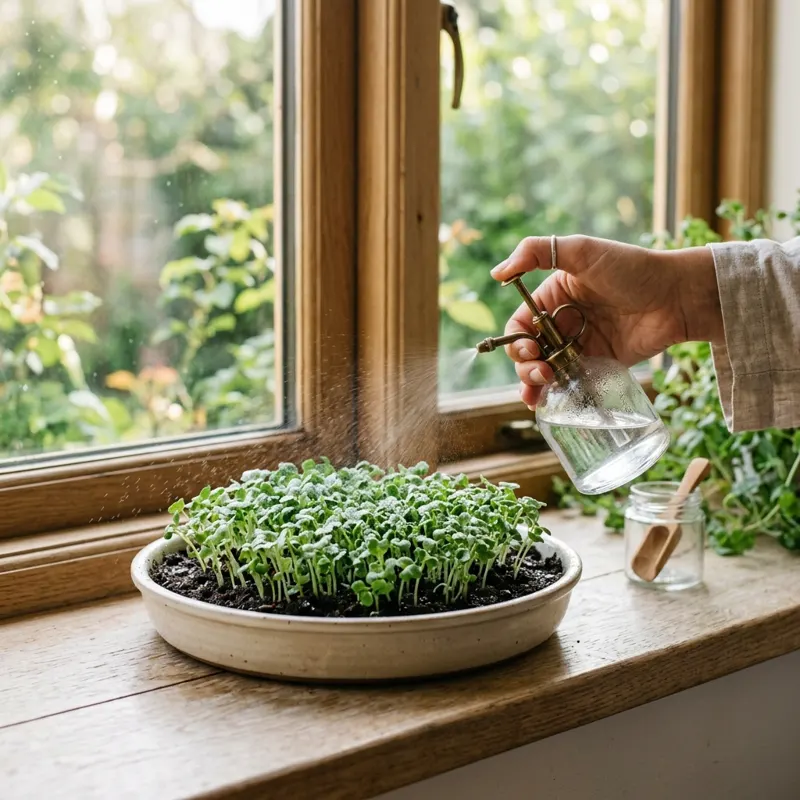
Overwatering and underwatering are the two most common ways home plants die — and they are also the two most commonly confused. Both make leaves droop, turn yellow and drop. Both make a plant look thirsty. And the worst mistake in plant care is treating one as the other: watering a drowned plant, or letting a thirsty plant dry out further. This guide is a diagnosis comparison — the signs side by side, the simple tests that settle it, and how to rescue a plant from each. If the roots are already rotting, read our root rot guide next; if the leaves are yellowing for another reason, start with why plant leaves turn yellow.
Quick answer
- The one test that settles most cases: push a finger 3 to 5 cm into the soil. Wet and soggy means overwatering; dry and dusty means underwatering. Do this before you water, every time.
- Overwatering signs: yellow leaves that feel soft and limp, soil that stays wet for days, a musty or sour smell, mushy stems, and leaves dropping while still green.
- Underwatering signs: leaves that feel dry and crispy at the edges, soil pulling away from the pot sides, a light pot, and drooping that recovers within hours of watering.
- The trap: an overwatered plant wilts because its roots have rotted and cannot take up water — so it looks thirsty while drowning. Watering it again makes it worse.
Signs table: overwatering vs underwatering
Leaves: overwatered leaves turn yellow, feel soft and limp, and may drop while still green; underwatered leaves turn yellow or brown from the edges inward, feel dry and crispy, and drop after drying out. Stems: overwatered stems feel soft or mushy near the base; underwatered stems feel dry and brittle, or simply limp. Soil: overwatered soil stays wet for days, may smell musty or sour, and sometimes grows mould or algae on the surface; underwatered soil is dry, dusty, may shrink and pull away from the pot, and water runs straight through it without soaking in. Pot weight: an overwatered pot feels heavy for days; an underwatered pot feels surprisingly light. Recovery after watering: an underwatered plant usually perks up within a few hours; an overwatered plant does not improve, or gets worse.
The finger test and the pot test
The finger test is the most reliable daily check you have, and it costs nothing. Push a finger 3 to 5 cm into the soil, near the edge of the pot rather than the stem. If soil sticks to your finger and feels cool and damp, do not water yet. If it feels dry at that depth, water. If it is soaking wet days after the last watering, the plant is overwatered — stop watering and let it dry. The second test is weight: lift the pot just after watering and again a few days later. Once you know the heavy and light feel of your own pots, you can judge most plants by lifting them. A wooden skewer pushed into the soil works the same way — damp soil darkens the wood. For plants that like steady moisture, a self-watering planter can help, but only for the right plants.
Rescuing an overwatered plant
Stop watering immediately and move the plant to bright indirect light with good air movement. If the soil is sodden, tip the pot and let excess water drain, and do not water again until the top few centimetres are dry. If leaves keep yellowing and the base smells sour, the roots may be rotting: take the plant out of the pot, shake off the wet soil, cut away any roots that are black, soft and mushy (healthy roots are firm and pale), and repot in fresh, dry, airy mix in a pot with drainage holes. Water lightly once, then wait. Recovery takes weeks, not days — new growth is the sign it worked. Prevention is simpler than rescue: always use pots with drainage holes, use a light potting mix, empty saucers after watering, and check the soil before watering rather than watering on a fixed schedule.
Rescuing an underwatered plant
Water slowly and thoroughly until water runs from the drainage holes — dry soil often repels water at first, so water a little, wait a few minutes, and water again so it actually soaks in. For a badly dried-out pot, stand it in a shallow tray of water for 20 to 30 minutes so the soil draws moisture up from below, then drain fully. Remove leaves that are fully dry and crispy — they will not recover — but leave any leaf that is still partly green. The plant should perk up within hours; if it does not, check whether the roots have dried out and died back, and trim the dead parts before repotting. Prevention: check the soil every few days in summer (pots dry fast in Delhi heat), group thirsty plants together, mulch the surface with cocopeat or dry leaves, and water in the morning so the plant has the day to use it.
Why the same plant needs different watering through the year
A plant that needs water twice a week in May may need it once a fortnight in January. Summer heat, dry wind and strong sun dry pots fast; winter cool and short days slow everything down. Monsoon humidity keeps soil damp for days. This is why fixed schedules fail: the right question is always what the soil feels like today, not what the calendar says. New gardeners do best with one habit — the finger test before every watering — and one rule — never water a plant whose soil is already wet. Our water-saving guide covers the seasonal rhythm in more detail.
FAQs
My plant is drooping — should I water it? Check the soil first. If it is dry, water. If it is wet, do not — the droop is likely from root damage, and more water will make it worse.
Can a plant recover from overwatering? Often, yes, if you catch it early — stop watering, improve drainage, and repot if the roots are rotting. A plant whose roots have mostly rotted away is much harder to save, and sometimes the honest answer is to take a healthy cutting and start again.
How often should I water? There is no single answer — it depends on the plant, the pot size, the soil, the season and the light. The finger test gives you the answer for your plant, in your home, today. That is more reliable than any number of days.
Is yellow always a watering problem? No. Yellow leaves can also come from low light, nutrient deficiency, pests, or natural ageing of older leaves. If the soil moisture is right and leaves still yellow, work through the yellow leaves guide.
Still unsure? Take a photo of the leaves and the soil surface and book an Expert Maali — diagnosis is much easier from a photo than from a description.
Is page ko Maali Uncle app mein kholo: app mein kholo