← Maali Uncle website par wapas
Compost vs Vermicompost vs Manure: Which One Does Your Pot Actually Need?
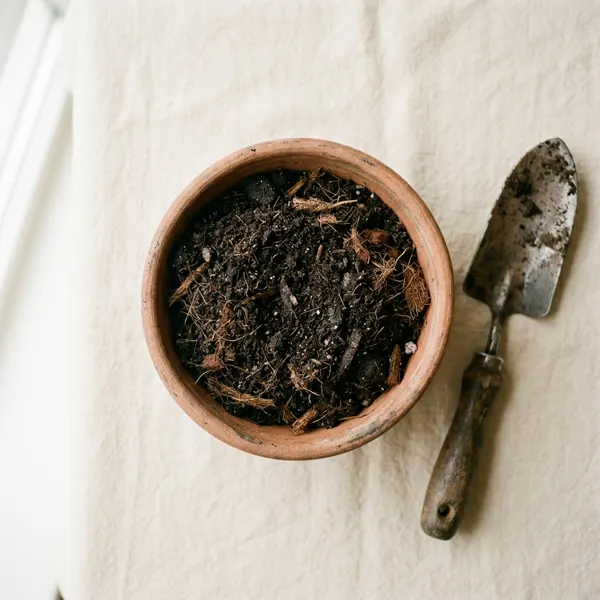
Walk into any nursery in Delhi and you will be offered three dark, crumbly bags that all promise healthier plants: compost, vermicompost and manure. They look similar, they smell vaguely similar, and beginners use them interchangeably. They are not the same thing. Used in the wrong place, each one can waste your money — or, in the case of fresh manure on vegetables, cause a real problem. Here is the honest difference, and what to use where.
Compost: the all-rounder
Compost is kitchen and garden waste — leaves, peels, grass clippings, prunings — broken down by microbes over weeks or months into a dark, earthy material. Good compost is crumbly, smells like damp earth, and has no recognisable food pieces left in it. It improves soil structure, helps a potting mix hold moisture without staying soggy, and feeds plants slowly as it keeps breaking down. It is the most forgiving of the three: hard to overdo in a mix, useful in almost every pot, and the easiest to make at home from kitchen waste. Its nutrient content is modest and varies with what went into it, so think of compost as soil food, not as a fertiliser with a guaranteed strength.
Vermicompost: the concentrated conditioner
Vermicompost is compost made with the help of earthworms — commonly red wigglers — which eat the waste and pass out rich castings. It is finer and darker than ordinary compost, and usually carries more readily available nutrients in a small volume. That makes it excellent as a top dressing and as a modest ingredient in a potting mix, but it is not a complete fertiliser on its own: hungry plants like tomatoes and roses still need regular feeding through the growing season. Quality varies a lot between sellers, so judge a bag by look and smell — dark, crumbly, earthy — not by big claims on the packet. Our full guide, What Is Vermicompost?, covers how to use it, how to make it at home, and the mistakes that waste it.
Manure: the strong one, with a rule
Manure is animal dung — most commonly cow dung in India, sometimes goat or poultry — that has been composted or aged until it no longer smells strongly and looks like dark soil. Well-rotted manure is a genuinely good soil enricher for beds and large containers: it adds organic matter and nutrients and improves heavy soil. But it comes with the hardest rule of the three: only ever use well-rotted manure, and never fresh manure on anything you will eat. Fresh manure can carry pathogens, can burn roots with excess ammonia and salts, and can smell enough to annoy the whole building. If a bag smells sharp or is still recognisably dung, it is not ready. Leave it to age, or do not use it. The same well-rotted-only rule applies to any compost that is not fully broken down — on edibles, maturity is not optional.
At a glance
- Compost: broken-down plant and kitchen waste; best all-round soil improver; mildest and most forgiving; easy to make at home.
- Vermicompost: worm-processed compost; finer, richer per handful; best as a top dressing and mix ingredient; quality varies by seller.
- Manure: aged animal dung; strong and good for beds and big pots; must be fully well-rotted; never fresh on edibles.
- And cocopeat is none of these: it is coconut fibre that holds water but feeds almost nothing — see What Is Cocopeat?.
Which one, for what?
Everyday pots and balcony plants: ordinary compost or vermicompost, mixed into the potting mix at roughly one part to three or four parts mix, or as a thin top dressing every four to six weeks in the growing season. Vegetable and herb pots: mature compost or vermicompost only, and wash every harvest well. Beds, large planters and terrace soil: well-rotted manure is at home here, worked into the top layer before planting. Seedlings: a light touch — a small amount of mature compost or vermicompost in a free-draining seed mix; heavy, rich material rots seeds. Succulents and cacti: use very little of any of these; they want grit and drainage, not richness.
Mistakes that waste all three
- Using them instead of fixing drainage: if a plant is yellow or wilting, the cause is usually water, light or root rot — check the yellow leaves guide before adding more feed.
- Piling on a thick layer: more is not better. A pot that is mostly compost or manure stays too wet and compacts over time.
- Storing bags in the sun: heat and no air kill the useful microbes. Store cool, shaded and slightly ventilated, and use within a few months.
- Skipping the smell test: sour, ammonia-like or slimy material is not ready. A constantly soggy, rich pot can also grow the white fuzz covered in our white fungus guide.
FAQs
Can I use all three together? You can, but there is rarely a reason to — pick the one that fits the job. A mix of compost and vermicompost is the most common sensible pairing for pots. Is vermicompost better than compost? It is richer per handful, but also costlier, and neither replaces good drainage or the right potting mix. How do I know manure is well-rotted? Dark, crumbly, earthy-smelling, with no strong dung smell and nothing recognisable left. If in doubt, do not use it on edibles. Do these replace fertiliser? Not entirely. They feed the soil steadily; heavy feeders and flowering plants usually still benefit from additional feeding through the season — see our complete kitchen gardening guide for a simple soil mix that uses them sensibly.
Not sure what your pots need? Book an Expert Maali — the right soil mix depends on your plants, pot size and watering habit, not on one bag alone.
Is page ko Maali Uncle app mein kholo: app mein kholo