← Maali Uncle website par wapas
Areca Palm Care Guide for Indian Homes
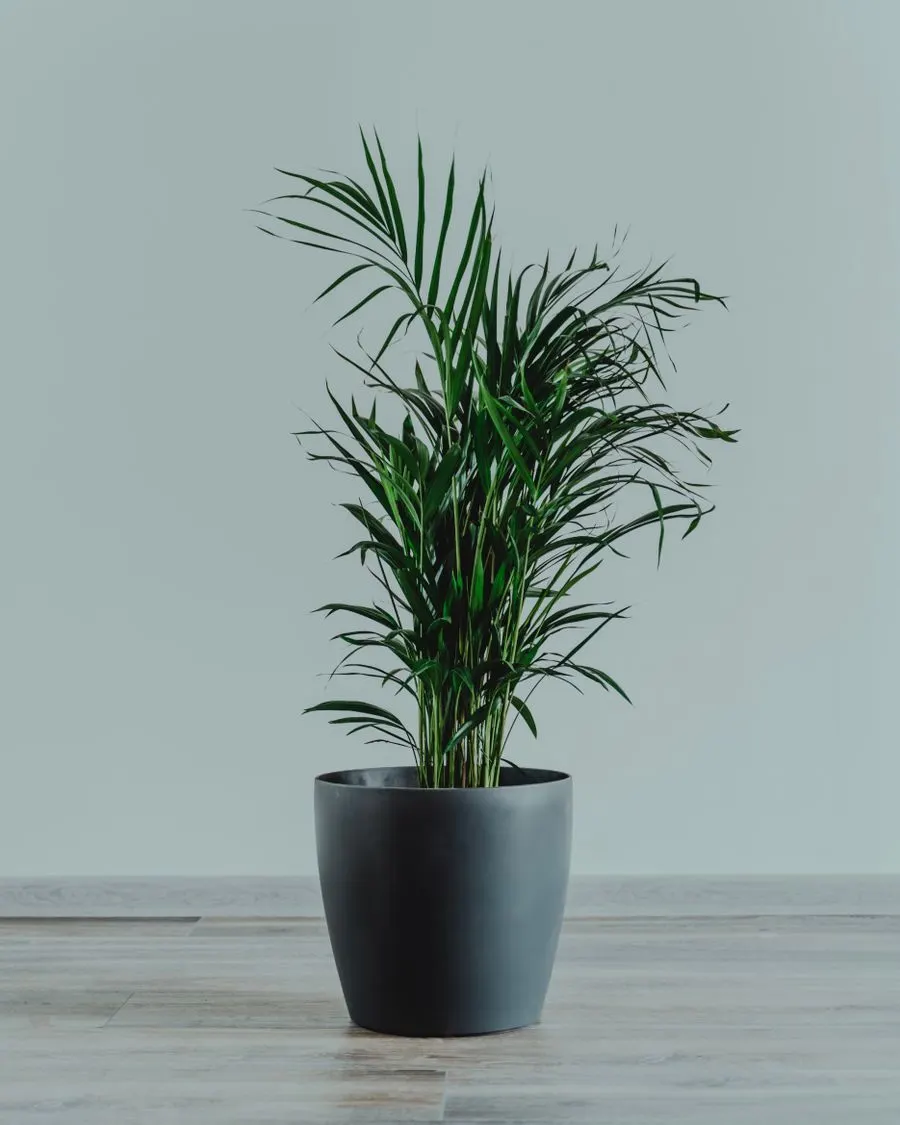
Areca palm (Dypsis lutescens, also sold as butterfly palm) is the plant people buy for instant greenery: a cluster of arching, feathery fronds that softens a corner and makes a room feel larger. It is also a plant that shows unhappiness quickly — brown tips, yellowing fronds and a thinning centre are all early warnings. Almost all of them trace back to light, water or pot size.
Quick answer
- Light: bright indirect light is best. It tolerates some morning sun but not harsh afternoon sun.
- Water: keep the mix evenly moist, never soggy and never fully dry for long.
- Pot: drainage holes are essential, and a heavy pot helps — a tall areca topples easily in a light pot.
- Soil: rich, well-draining mix; garden soil alone compacts and suffocates roots.
- Pets: widely listed as pet-friendly, which is one reason it suits family rooms — still discourage chewing any plant.
Light: bright, but not burning
Areca palms grow in dappled light in nature, under taller trees. In a home, that translates to a bright spot near a window with a sheer curtain, or a few feet from a sunny window. In low light the fronds grow sparse and pale, and new growth slows to a crawl. In harsh afternoon sun the fronds bleach and scorch. An east-facing window is often ideal; on a west-facing balcony, give it afternoon shade. If the centre of your palm is thinning while the outer fronds look fine, light is usually the first suspect — check the indoor plants complete guide for how to read your room light.
Water: even moisture, no puddles
Areca palms dislike both extremes. Water thoroughly when the top 2 to 3 cm of soil feels dry, and let all excess drain away — empty the saucer every time. In summer a large palm in a bright room may need water every few days; in winter, weekly or less is usually enough. Yellowing lower fronds combined with wet soil usually mean overwatering; crisp, dry fronds with dry soil mean underwatering. If the mix has dried out completely and water runs down the sides without soaking in, soak the whole pot in a bucket for 20 to 30 minutes to rewet it. Root rot from standing water is the fastest way to lose an areca — the root rot guide covers the warning signs.
Brown tips: the usual suspects
Brown tips are so common on areca palms that many owners assume they are normal. Some tip browning on the oldest fronds is normal ageing, but widespread browning usually means dry air, irregular watering, salt build-up from hard water, or a pot that is too small. Fixes that actually help: water on a steady rhythm rather than in floods and droughts, flush the pot with plain water every month or two, mist occasionally or group plants together for humidity (misting alone will not fix dry Delhi winter air, but it helps a little), and trim brown tips with clean scissors without cutting into green tissue. Feed lightly — a diluted balanced feed once a month in the growing season is plenty. Overfeeding burns tips just as surely as underwatering.
Pot, growth and pests
Areca palms grow into their pots. Repot in spring when roots fill the pot or growth stalls: choose a pot only one size larger, keep the plant at the same depth, and use a heavy pot or a decorative outer pot for stability — a top-heavy palm in a light plastic pot falls over in a breeze or a bump. Do not expect a small tabletop areca to stay small forever; it is a palm, and it wants height. Check fronds for pests: spider mites thrive in dry air and show as fine webbing and speckled leaves, while mealybugs hide in the frond bases — the mealybugs and aphids guide covers removal. Wiping fronds with a damp cloth every few weeks keeps them glossy, removes dust and lets you spot pests early.
FAQs
Why are the lower fronds yellowing? Old lower fronds yellow and die naturally as new ones grow from the centre. Widespread yellowing, especially with wet soil, points to overwatering; yellowing with dry soil points to thirst.
Can an areca palm live on a balcony? Yes, in bright shade or morning sun, protected from harsh afternoon sun and strong wind. In a Delhi summer, a balcony areca needs more frequent watering and afternoon shade; in winter, bring it in on cold nights if frost is forecast.
Does it purify indoor air? Not in any meaningful way in a real, ventilated home — that claim comes from sealed-chamber tests. Buy it because it looks and feels wonderful, and ventilate your rooms for fresh air.
Want a palm that fits your room size and light? Book an Expert Maali — a palm bought for the wrong corner is the one that browns first.
Is page ko Maali Uncle app mein kholo: app mein kholo