← Maali Uncle website par wapas
Curry Leaf Complete Profile: Grow Kadi Patta at Home
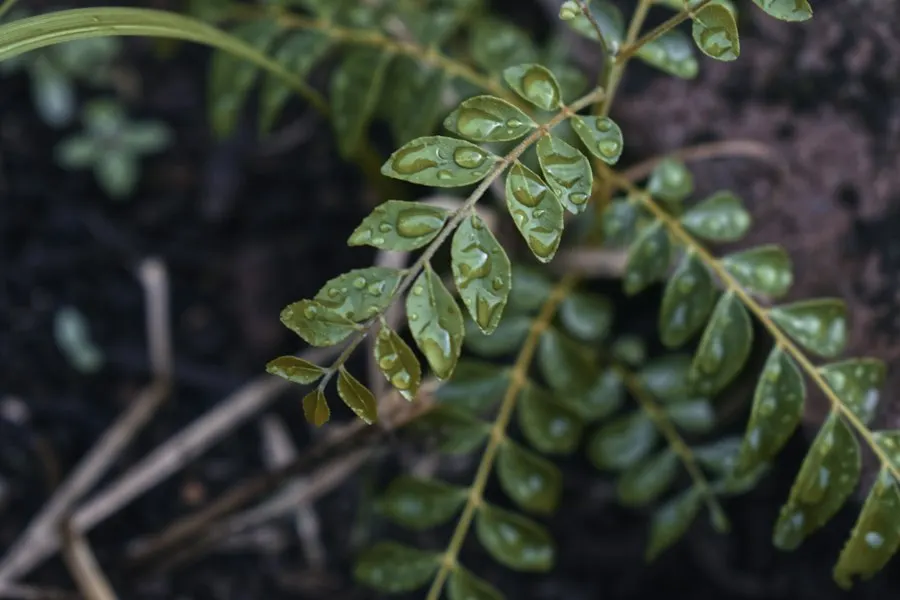
Curry leaf is the one plant no Indian kitchen should be without — a handful of fresh leaves in hot oil is the smell of a tadka, and no dried powder or substitute quite matches it. It is also one of the most rewarding plants to grow: a sunny pot, a little patience, and you can be picking leaves for decades. This is the complete Maali Uncle profile for curry leaf, written in the same 22-field structure as our tulsi profile and our money plant profile. Our shorter curry leaf growing guide covers daily care in brief; this profile is the full reference version.
Identity
- Common names: Curry leaf, kadi patta, kariveppilai, karipatta, sweet neem leaf
- Botanical name: Murraya koenigii
- Family: Rutaceae (the citrus family)
- Origin: India and Sri Lanka, where it grows as an understorey tree in warm, humid conditions; grown in Indian kitchens for centuries
- Growth habit: a small, aromatic tree or large shrub; in the ground it can reach 4–6 metres over many years, but in a pot it typically stays 1–2 metres. The leaves are pinnate — a central stalk carrying many small, serrated leaflets — and the plant slowly suckers from its roots
How to identify good curry leaf
Look for a young plant with several branching stems, dense green leaflets, and a strong aroma when you crush a leaflet between your fingers — that smell is the whole point of the plant. The leaflets should be glossy and unblemished, with no holes or ragged edges (caterpillar damage) and no white powdery patches. Avoid plants with yellowing leaflets, a bare single stem with leaves only at the top, or a pot that smells sour, which usually means the soil has been kept too wet. When buying, choose a plant that already branches low down — it will bush out far better than a tall, single-stemmed one.
Varieties you will actually find
- Common curry leaf: the standard plant — fast-growing, strongly aromatic, and the one in most Indian nurseries. This is the variety to buy.
- Gamthi: a slow-growing, intensely fragrant variety from Gujarat, with smaller, darker leaflets and a dwarf habit. Prized by cooks for its stronger flavour, but slower to establish and harder to find.
- Dwarf curry leaf: a compact, slow-growing form that stays small — a good choice for a pot on a small balcony, though it yields fewer leaves.
Nursery labels vary and are not always reliable — buy by looking at the plant and crushing a leaflet, not by the label. For a first plant, the common variety is the fastest and most forgiving choice.
Sunlight
Full sun is best — six or more hours of direct sun a day, on a sunny terrace or balcony. Curry leaf tolerates part shade, but it grows leggy, the leaflets get sparse, and the flavour weakens. In a dark room it will not survive at all: this is an outdoor sun plant, not a houseplant. If your plant is not growing, or the leaves are pale and sparse, it is almost certainly asking for more sun. Move it to the sunniest spot you have and give it a season — curry leaf rewards full sun more than almost any other kitchen garden plant.
Water
Moderate, and always by the soil test: water deeply when the top layer of soil feels dry. For a medium pot that is usually a few times a week in summer and about once a week in winter, but your pot, your sun and your soil matter more than any calendar. Water at the base, not over the leaves, and always empty the saucer — curry leaf hates sitting in water, and soggy soil is the fastest way to kill it. Yellow leaflets, starting from the older ones, are the classic sign of overwatering; if you see them, check the soil and the drainage before watering again, and read our overwatering vs underwatering guide.
Soil and pot size
Use a well-draining, compost-rich mix — garden soil with compost and a little sand or perlite, so it holds moisture without staying soggy. A small top-up of vermicompost in spring keeps it productive; see our vermicompost guide for what it is and how to use it. Pot size: deep matters more than wide, because curry leaf sends down a taproot — a 12–14 inch deep pot suits a mature plant, and a young plant can start in an 8–10 inch pot. Drainage holes are non-negotiable. Terracotta dries faster and suits people who tend to overwater — our pot comparison guide explains the trade-offs. Repot every 2–3 years in spring, or when roots circle the pot, and prune the roots lightly if the plant is root-bound.
Propagation
Root suckers — the best way. A mature plant sends up suckers from its roots around the base. Dig one up carefully with some roots attached, pot it in moist mix, and keep it shaded for a week or two until it settles. Suckers grow fast and are identical to the parent — this is how most Indian homes get their second curry leaf plant.
Seed. Fresh seed from the black berries germinates in a few weeks, but only if it is sown fresh — seed loses viability quickly once it dries out. Sow in moist mix, keep warm, and be patient. Seed-grown plants take longer to establish than suckers.
Stem cuttings — unreliable. Semi-hardwood cuttings sometimes root in warm, humid conditions, but the success rate is low and they are slow. Use suckers or seed instead.
Pruning
Pinch the growing tips regularly to encourage branching — a curry leaf that is never pruned becomes one tall stem with leaves only at the top. In spring, cut back leggy stems to a leaf joint; the plant will usually branch from the joint below the cut. Harvest from the tips, taking whole sprigs rather than stripping individual leaflets — that both gives you leaves and prunes the plant at the same time. Never strip all the leaves off a young plant at once; take no more than about a third of the foliage in one picking. Remove dead or crossing stems as you see them.
Fertilisation
Light feeding only: compost in spring and a balanced liquid fertiliser at half strength, once a month during the growing season (roughly March to October). None in winter, when growth slows. Many growers prefer compost and vermicompost over chemical fertiliser for a food plant, and a well-composted plant rarely needs anything else. Overfeeding shows up as soft, weak growth with less flavour — if the leaves taste weak, ease off the feed and give the plant more sun.
Flowering and harvesting
Mature plants flower in spring and summer — small, white, sweetly fragrant flowers in clusters, which bees love — followed by small, round, black berries. The berries are seed, not food: leave them for seed, or remove them if you want the plant to put its energy into leaves instead. There is nothing else to harvest but the leaves, and they are best picked fresh, in the morning, when their oils are strongest. Pick whole sprigs from the tips, wash the leaves before use, and use them fresh — fresh leaves keep their aroma far better than dried ones, though leaves also freeze well in a sealed bag for months. For more kitchen garden herbs to grow alongside it, read our ten Indian culinary herbs guide.
Pests and diseases
Citrus butterfly caterpillar is the classic curry leaf pest — a large, green caterpillar that eats leaflets fast and can strip a young plant overnight. Pick caterpillars off by hand and check the undersides of leaves for their tiny eggs; a neem spray helps if they keep coming. Scale appears as small brown bumps on stems; scrape off and treat with diluted soap spray. Aphids cluster on new shoots — wash off with a strong jet of water or soap spray. Leaf miner leaves pale, winding trails in the leaflets — remove the affected leaflets. Root rot from soggy soil is the most serious problem; prevention (drainage, watering only when dry) matters far more than any cure. For identification and control in detail, read our pest identification guide.
Seasonal care
Summer (April–June): the fastest growth season — water more often as pots dry faster, keep the plant in full sun, and harvest freely; it will replace what you pick within weeks.
Monsoon (July–September): growth is fast and the plant loves the humidity — but watch drainage on outdoor plants, and do not let pots sit in rainwater. A good season for propagation from suckers and for repotting.
Winter (November–February): growth slows sharply, and a curry leaf in a cold Delhi winter may drop some or even most of its leaves — that is normal, and it leafs out again in spring. Water much less, stop fertiliser, and protect the plant from frost and cold winds; on the coldest nights, move a potted plant to a sheltered spot. Do not panic if it looks bare in January — judge it in March.
Companion plants
Curry leaf pairs well with other sunny kitchen garden plants — coriander, green chillies and mint all share its love of sun and make a good mixed kitchen garden. Keep mint in its own pot, because it spreads and will crowd everything else. Our coriander guide and green chillies guide cover two good neighbours. Avoid crowding it with plants that need very different watering — a curry leaf in the same pot as a thirsty leafy green will either be overwatered or the green will dry out.
Uses
Culinary first and foremost — fresh leaves in a tadka for dal, curries, chutneys, rasam and upma, where they add a warm, citrusy, slightly nutty aroma that dried leaves cannot match. The leaves are also traditionally used in Indian homes for hair and skin care and in home remedies — those are traditional uses, and this guide makes no claim that curry leaf treats any condition. The flowers feed bees, and a mature plant in the ground becomes a small, useful shade tree that keeps giving leaves for decades.
Interesting facts
- A curry leaf plant can live for decades — there are plants in Indian courtyards older than the people who pick from them.
- The aroma comes from essential oils in the leaflets, which is why fresh leaves smell so much stronger than dried ones, and why the leaves are added to hot oil first in a tadka.
- Curry leaf is in the citrus family — a relative of lemons and oranges — which is why the same butterfly that lays eggs on citrus also lays them on curry leaf.
- In the wild it grows as an understorey tree in Indian forests, which is why it tolerates a little shade even though it prefers full sun.
Limitations and toxicity
Curry leaves are food — the leaflets are eaten daily across India, and the plant is safe in a kitchen garden. The black berries are for seed, not for eating, and no part of the plant should be eaten in large quantities as a remedy — traditional uses are not medical advice, and anyone considering curry leaf for a health reason should talk to a doctor, not a gardening guide. Its other limitations are practical: it needs full sun and will not grow in a dark room, it grows slowly in its first year or two, it drops leaves in a cold Delhi winter, and a plant grown from seed can take several years to become a generous harvester — buy a nursery plant or a sucker if you want leaves soon.
Frequently asked questions
Why is my curry leaf plant not growing? Usually not enough sun, or too small a pot. Curry leaf needs full sun and a deep pot; in shade or a cramped pot it barely grows. Move it to the sunniest spot you have and give it a season.
Why are the leaves turning yellow? Overwatering is the most common cause — check the soil and the drainage before watering again. Nutrient deficiency (pale yellow leaves with green veins) and cold are the other usual reasons; a spring dose of compost usually fixes the first.
Why are caterpillars eating my curry leaf? The citrus butterfly lays its eggs on curry leaf, and the green caterpillars eat fast. Pick them off by hand, check leaf undersides for eggs, and use a neem spray if they keep returning. A healthy plant recovers quickly once the caterpillars are gone.
Can curry leaf grow indoors? Not really — it needs full sun, six or more hours a day, which a room rarely provides. A sunny balcony or terrace is the right home; a dark room will slowly kill it.
When can I start harvesting? Lightly from the first year, and freely once the plant is a couple of years old and bushy. Take whole sprigs from the tips, and never strip more than about a third of the foliage at once.
Why did my plant lose all its leaves in winter? Cold — curry leaf drops leaves in a cold Delhi winter and leafs out again in spring. As long as the stems are still green and flexible under the bark, the plant is alive; judge it in March, not January.
Maali Uncle ki gardening guide — ghar par paudhon ki dekhbhal, aasan tareeke se. This profile follows the same 22-field structure as our tulsi, money plant and snake plant profiles. Apni jagah ke hisab se salah ke liye Expert Maali book karein.
Is page ko Maali Uncle app mein kholo: app mein kholo