← Maali Uncle website par wapas
Growing Curry Leaf Plants: The Complete Guide for Indian Homes
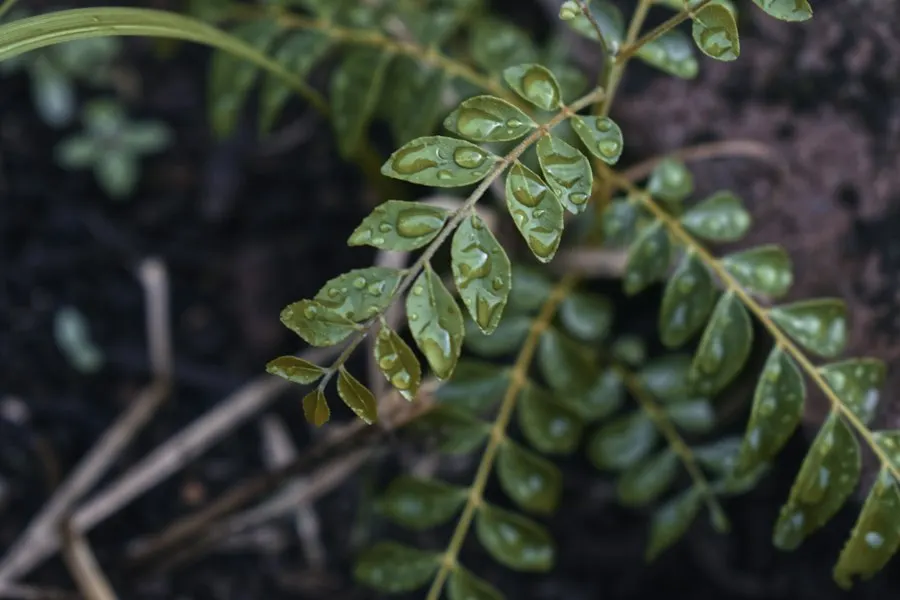
Curry leaf — kadi patta — is the one plant nearly every Indian kitchen uses and almost nobody grows well. It is a slow starter: a young plant can sit quietly for months, growing a few leaves at a time, and then suddenly it becomes a bushy little tree that feeds your tadka for years. The trick is patience in the first year and the right pruning after that. This guide covers the whole life of a curry leaf plant in a pot — sun, water, feeding, pruning, the winter slowdown and the pests — so yours becomes the plant you pick from, not the plant you replace.
Sun, pot and soil
Curry leaf is a sun lover: give it at least 6 hours of direct sun a day — a south- or west-facing balcony is ideal, and an east-facing one with strong morning sun works too. In shade it survives but grows thin, leggy stems with few leaves, so do not hide it in a dark corner. Pot: start with a 10–12 inch pot, and move up to a 14–16 inch pot as it grows — curry leaf becomes a small tree over the years, and a cramped pot is the most common reason it stays small. Drainage holes are essential. Soil: a light, free-draining mix — garden soil with cocopeat and compost, plus a little sand or perlite so water never sits around the roots. Our cocopeat guide explains the mix, and our pot comparison guide helps you choose the pot. Repot every 2–3 years in spring, refreshing the mix and trimming any circling roots.
Watering: deep, then wait
Water thoroughly until it drains from the bottom, then wait until the top 3–4 cm of soil feels dry before watering again — usually every 2–3 days in summer and once a week or less in winter. Curry leaf hates sitting in wet soil: soggy roots rot quietly, and the first sign is yellowing leaves that drop. In the monsoon, skip watering after rain and make sure the saucer is emptied. The finger test beats any fixed schedule — if the soil feels damp, wait. Our water-saving guide shows how to water wisely without stressing the plant.
Pruning: the trick to a bushy plant
This is the step most people skip, and it is the whole secret. A curry leaf plant left alone grows into one tall, bare stem with a tuft of leaves at the top. To get a bushy plant, pinch off the growing tip of each stem regularly — pinching forces side branches to sprout, and each side branch means more leaves to pick. Harvest by snipping whole sprigs from the top rather than stripping leaves from the bottom, and the plant responds by branching more. Do the main pruning in early spring (February–March), cutting back leggy stems by about a third, and the plant will push out fresh growth within weeks. Never strip a young plant bare — leave at least half its leaves so it can keep feeding itself.
Feeding: little and often
Curry leaf is not a heavy feeder. A handful of mature compost or vermicompost every 6–8 weeks during the growing season (March to October) is enough — our compost guide compares the options, and our vermicompost guide explains how it works. Avoid heavy chemical fertiliser: it pushes soft, weak growth that pests love, and it does nothing for the flavour of the leaves. A light liquid feed of compost tea once a month in summer is plenty. Stop feeding in winter, when the plant is barely growing.
The winter slowdown — do not panic
In North India, curry leaf slows down sharply from November to February: growth stops, leaves may yellow and drop, and the plant can look half-dead. This is normal. The plant is resting, not dying. Cut watering right back, stop feeding, and leave it in the sunniest spot you have. Do not repot or prune hard in winter, and do not overwater to "revive" it — cold, wet roots are the real danger. Come March, prune lightly, feed with compost, and the plant will flush out with fresh leaves within a few weeks. In milder winters further south, the slowdown is gentler and the plant keeps growing through the season.
Harvesting and using
Start picking lightly once the plant is about a foot tall with several branches — usually in its second year. Pick fresh sprigs as you cook: the flavour is strongest when the leaves are fresh, and the aroma is why you grow it. You can dry leaves in the shade and store them in an airtight jar, but fresh leaves are always better. A mature, well-pruned plant in a large pot gives enough leaves for a household's daily cooking — one plant is usually all a family needs. Curry leaf is also one of the easiest herbs to grow alongside other kitchen plants; see our ten culinary herbs guide and our complete kitchen gardening guide for the full kitchen-garden plan.
Pests and problems
Curry leaf is fairly tough, but watch for three things. Mealybugs and aphids cluster on tender new shoots — wipe them off, spray with a neem solution, and check weekly; our mealybug and aphid guide covers identification and control. Yellow leaves usually mean overwatering or a pot that does not drain — check the soil and the drainage holes first, before reaching for fertiliser. Slow growth in the first year is normal; slow growth after the second year usually means too little sun or a pot that is too small. Starting from seed is possible but slow — seeds can take weeks to germinate and a year or more to become a useful plant — so most people are better off buying a healthy nursery seedling, or taking a root sucker from a mature plant in spring, which grows much faster.
Frequently asked questions
How long before I can harvest from a curry leaf plant? Lightly from the second year, properly from the third. The first year is for roots and structure — patience now pays for a decade of leaves.
Why is my curry leaf plant not growing? Usually too little sun, a pot that is too small, or overwatering. Check sun first — less than 6 hours of direct sun is the most common cause — then pot size and drainage.
Why are the leaves turning yellow? Most often overwatering or poor drainage; in winter, some yellowing is a normal part of the seasonal slowdown. Check the soil before doing anything else.
Can I grow curry leaf indoors? Only in the sunniest window you have, with several hours of direct sun. In a dim room it will grow thin and leggy — a sunny balcony is far better.
How big does it get in a pot? In a 14–16 inch pot with regular pruning, it typically stays a bushy 3–5 feet tall. Left unpruned in a large pot, it can grow taller — prune it to the size that suits your space.
Want a kitchen garden where the curry leaf, mint, coriander and chillies are all planned for your balcony's sun? Book an Expert Maali — we set up the pots, the soil and the routine, so your daily tadka comes from your own balcony.
Is page ko Maali Uncle app mein kholo: app mein kholo