← Maali Uncle website par wapas
Ten Indian Culinary Herbs to Grow at Home: One Pot Each, All Year
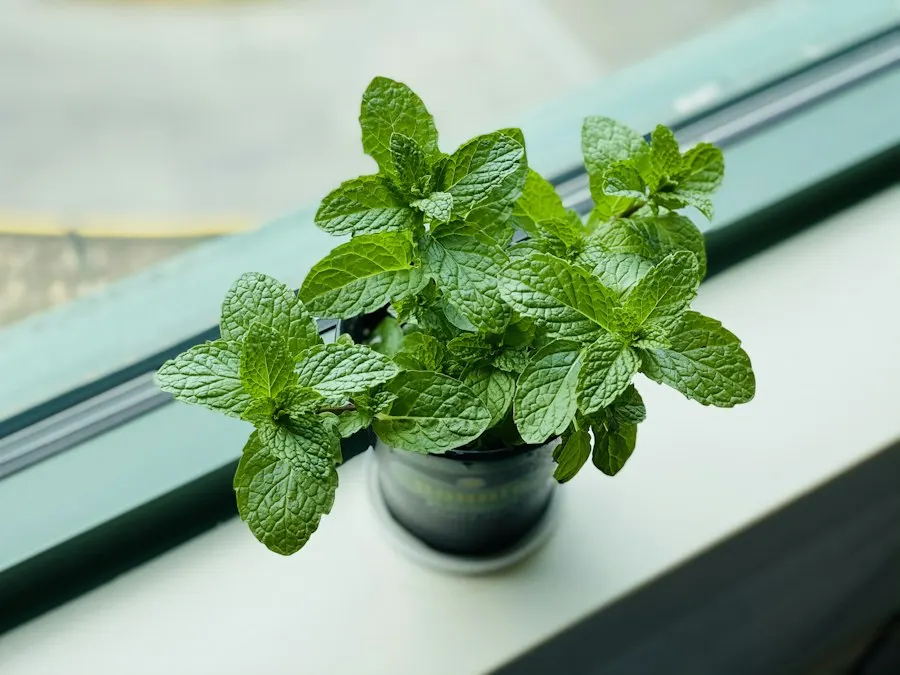
Indian cooking runs on fresh herbs — a handful of dhaniya over dal, curry leaves crackling in tadka, pudina in chutney, tulsi in morning chai. Most of these grow easily in pots on a sunny sill or balcony, and a small herb corner pays for itself within weeks. The rule that makes or breaks a herb garden is simple: one herb per pot. Herbs have different thirsts, different speeds and different manners, and sharing a pot means the strongest one wins and the rest fade. Give each its own pot, and ten herbs become ten small successes instead of one crowded failure.
Three rules before you start
One pot per herb. Mint especially must live alone — it spreads by runners and will take over any shared planter within a season. Match sun to herb, not herb to sun. Sun-lovers (tulsi, curry leaf, rosemary) want the brightest spot; leafy annuals (dhaniya, methi) do better with gentler sun and cooler months. Harvest lightly and often. Picking the outer leaves or the tips encourages bushy growth; stripping a plant bare sets it back for weeks.
1. Tulsi (holy basil)
The classic Indian home herb. Tulsi wants full sun — four to six hours at least — and a medium pot with free-draining mix. Water when the top layer dries; it dislikes soggy feet. Pinch the flower spikes (manjari) off regularly to keep the plant leafy instead of going to seed. Sow in the warm season; in North India it is an annual that is best sown fresh each spring. See our full tulsi plant profile for the complete reference.
2. Pudina (mint)
The easiest herb to grow and the easiest to regret planting in the wrong place. Mint wants a pot of its own — always — because its runners spread fast and crowd out neighbours. It likes sun to part shade, regular water, and a rich, moist mix. Harvest by snipping stems above a leaf pair and it branches out happily. It goes a bit quiet in the coldest weeks and returns with warmth. Use it fresh in chutney, raita and drinks.
3. Dhaniya (coriander)
Dhaniya is a cool-season herb in most of India: sow it from autumn through early spring, when it grows leafy and slow to bolt. In summer heat it rushes to seed within weeks. Sow seed thickly in a wide, shallow pot, keep the mix evenly moist, and give it morning sun with afternoon shade. Harvest the outer leaves and leave the centre growing. Full sowing detail is in our coriander growing guide.
4. Curry leaf (kadi patta)
A slow-starting shrub that rewards patience. Curry leaf wants the sunniest spot you have, a large pot, and years — it grows slowly for the first year or two, then picks up. Water when the top layer dries and feed lightly with mature compost a few times in the growing season. Harvest by snipping whole sprigs; regular light picking encourages branching. In a cold Delhi winter it may drop leaves; it usually recovers in spring.
5. Lemongrass
A fragrant grass that grows into a clump and loves heat and sun. Give it a wide pot — it spreads sideways — and water generously in the warm months. Harvest by cutting outer stalks near the base; the tender inner part is what goes into tea and cooking. It needs protection from the coldest winter nights in North India; keep the pot in a sheltered spot in January.
6. Methi (fenugreek)
One of the quickest herbs from seed to plate — leaves are often ready within three to four weeks of sowing. Methi is a cool-season crop: sow it in autumn and winter, in a wide tray or shallow pot, in ordinary potting mix kept moist. Scatter seed thickly, cover lightly, and cut the young leaves when they are a few inches tall. It also fixes nitrogen in the soil, so it is a kind herb to the pot it shares with nothing else.
7. Ajwain (carom)
Ajwain is a tough, aromatic herb that tolerates heat and neglect better than most. It wants full sun and a pot with good drainage — overwatering is its main enemy. The thick, fleshy leaves are strongly scented; a leaf or two goes a long way in cooking. Prune it back if it gets leggy and it will branch out again.
8. Paan (betel leaf)
Paan is the shade-lover of the group. It wants indirect light or a few hours of gentle morning sun, a moist, rich mix, and something to climb — a wall, a pole or a trellis. It dislikes harsh sun and dry air, so a sheltered balcony corner suits it better than an open terrace. Keep it evenly moist and it produces soft, heart-shaped leaves through the warm months.
9. Sweet basil
The Mediterranean cousin of tulsi, and a warm-season grower like it. Sweet basil wants full sun, warm weather and regular water, and it must be pinched often — snip the growing tips above a leaf pair and the plant turns bushy instead of tall and sparse. Grow it for pasta, salads and pesto; it pairs well in a pot next to tomatoes, though always in its own pot.
10. Rosemary
A woody Mediterranean herb that does well in Indian pots if you respect one thing: drainage. Rosemary wants full sun, a gritty, free-draining mix, and to dry out between waterings — wet feet kill it faster than drought. It is slow-growing and perennial, so a single pot can last years. Snip sprigs as needed; it is stronger-flavoured than most Indian herbs, so a little goes a long way.
A simple seasonal rhythm
Warm season (March to October): tulsi, pudina, curry leaf, lemongrass, ajwain, sweet basil and rosemary are at their best. Cool season (October to March): dhaniya and methi shine, and paan keeps going in a sheltered spot. Sow short-lived annuals like dhaniya and methi in small batches every two to three weeks so you always have young leaves coming, instead of one big flush that bolts all at once. Our seasonal vegetable growing calendar and complete kitchen gardening guide cover the wider sowing picture.
FAQs
Which three herbs should a beginner start with? Pudina, tulsi and dhaniya — forgiving, fast to reward, and used almost daily in Indian cooking. Can I grow herbs on a windowsill? Yes, if it gets four or more hours of direct sun; leafy herbs tolerate a bright sill better than fruiting plants do. Why does my dhaniya keep bolting? Heat and a dry mix push it to seed — sow in the cool season, keep the mix moist, and harvest young. How much should I feed herbs? Lightly. Most herbs prefer a lean mix and a little mature compost now and then; heavy feeding makes leafy herbs lush but less flavourful — see our compost, vermicompost and manure guide. Do herbs need big pots? Medium pots suit most of them; curry leaf and lemongrass are the exceptions and want a large pot.
Want a herb corner set up for your balcony's actual sun and shade? Book an Expert Maali — we match each herb to its spot, so you harvest instead of replant.
Is page ko Maali Uncle app mein kholo: app mein kholo