← Maali Uncle website par wapas
Terracotta vs Plastic vs Ceramic Pots: Which Pot for Which Plant?
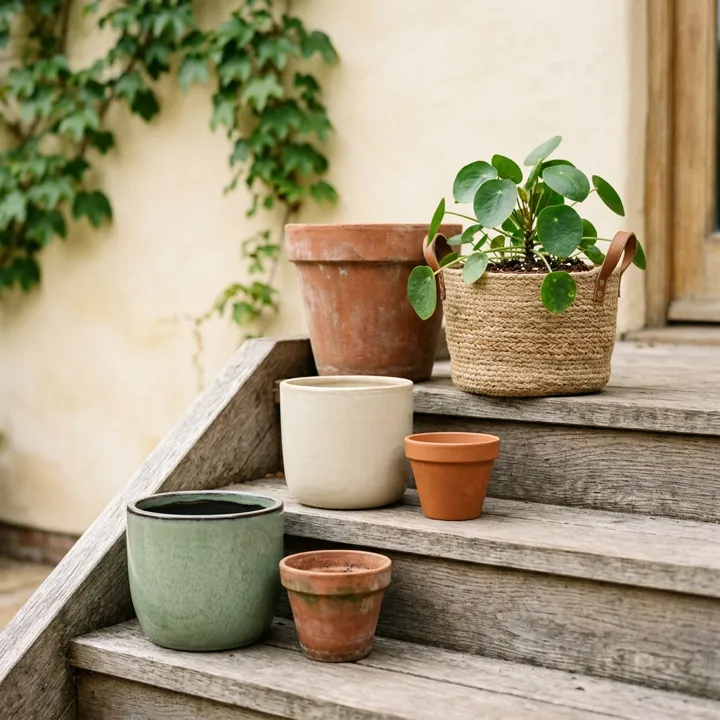
Ask ten gardeners which pot is best and you will get ten answers — because the honest answer is that it depends on the plant, the place and how you water. A pot is not just a container: its material decides how fast the soil dries, how heavy it is to move, and how forgiving it is when you overwater. Pick the material to match the plant and your habits, and half your watering problems disappear. See also How to Choose the Right Plant Pot for size and drainage, and Root Rot: Causes, Prevention and Treatment for what happens when drainage goes wrong.
Terracotta — the breathable classic
Unglazed terracotta (mitti ke gamle) is porous: water evaporates through the walls, so the soil dries faster and air reaches the roots. That makes it the safest choice for plants that hate wet feet — succulents, snake plant, jade, cactus — and for beginners who tend to overwater. The trade-offs are real: in a hot Delhi summer a terracotta pot can dry out in a day, so thirsty plants need more frequent watering; it is heavy once filled, so a large terracotta pot is not something you move often; and it can crack in a hard frost or if dropped. It also develops white salt marks over time — harmless, and a sign that it is breathing as it should. Terracotta suits sunny balconies, succulents, herbs and anyone who waters generously.
Plastic — light, cheap and water-retentive
Plastic pots hold moisture far longer because nothing evaporates through the walls, and they are light enough to move, hang or stack easily. That makes them practical for thirsty plants — money plant, ferns, leafy vegetables — for hanging planters, and for rented homes and balconies where weight matters. The risks are the mirror image of terracotta: soil stays wet longer, so overwatering turns into root rot more easily, and drainage holes are not optional — they are essential. Thin plastic can also heat up in direct summer sun and become brittle over a few seasons. Choose sturdy, UV-stable plastic where you can, and always check that the pot actually has drainage holes before you plant in it.
Glazed ceramic — the decorative middle ground
Glazed ceramic looks beautiful indoors and behaves much like plastic where water is concerned: the glaze seals the pores, so the soil dries slowly. It is heavy and stable — good for a tall plant that might topple — but it chips and cracks if knocked, and a large glazed pot is a two-person lift. The single most important check with ceramic is drainage: many decorative ceramic pots are sold without a hole, and a plant sitting in a hole-less pot is a plant slowly drowning. If you love a pot with no hole, use it as an outer cache pot with a plastic pot inside, and empty any standing water after watering. Ceramic suits indoor statement plants, slow growers and spots where the pot itself is part of the decor.
The trade-offs at a glance
Drying speed: terracotta fastest, plastic and glazed ceramic slowest. Weight: plastic lightest, terracotta and ceramic heavy. Overwatering forgiveness: terracotta most forgiving, plastic and hole-less ceramic least. Cost: plastic is generally the cheapest, terracotta modest, and glazed ceramic usually the most expensive — but prices vary widely by size and seller, so compare before you buy. Durability: plastic fades and brittles in harsh sun, terracotta cracks with frost or a hard knock, ceramic chips. There is no winner — only the right match for the plant in front of you.
Which pot for which plant?
Succulents, cactus, snake plant and jade: terracotta, for the drying speed. Money plant, ferns, peace lily and leafy vegetables: plastic or glazed ceramic, for moisture retention — with drainage holes. Herbs on a sunny balcony: terracotta in summer if you water often, plastic if you travel and water less. Hanging planters: plastic, for the weight. A tall indoor plant that must not topple: heavy ceramic or terracotta. Whatever you choose, match the pot to your watering habit honestly — a heavy waterer in plastic pots and a forgetful waterer in terracotta are both asking for trouble.
FAQs
Do all pots need drainage holes? Yes, for almost every plant. A pot without drainage can only work as an outer cover with a planted pot inside. Can I use a terracotta pot indoors? Yes — put a saucer under it, since water seeps through the walls and the base. Why is my terracotta pot turning white? Mineral salts from water and fertiliser wicking through the porous clay. Harmless; scrub it off if you dislike the look. Is plastic bad for plants? Not in itself — the risk is waterlogging, which drainage holes and careful watering prevent. Which pot survives a Delhi summer best? Terracotta handles heat well but dries fast; plastic can soften and fade in harsh sun. Shade the pots themselves, not just the plants, in peak summer.
Not sure which pot suits your plant and your balcony? Book an Expert Maali — we match pots, plants and watering habits together.
Is page ko Maali Uncle app mein kholo: app mein kholo