← Maali Uncle website par wapas
Growing Green Chillies at Home: A Complete Guide for Indian Balconies
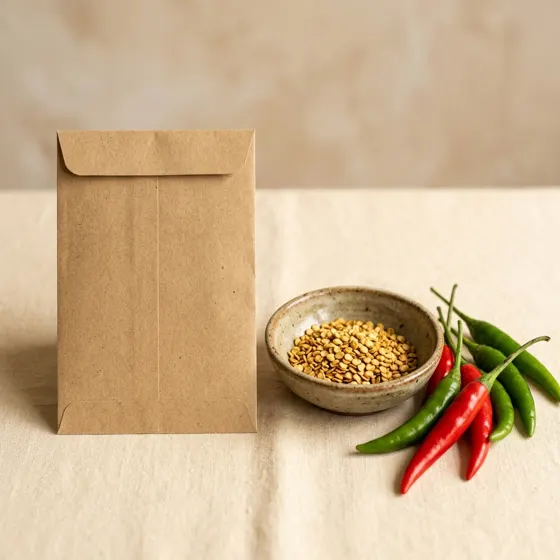
One healthy chilli plant in a pot can keep a household in green chillies for months — and it asks for very little in return: sun, a big enough pot, steady water and patience while it flowers. Chillies are warm-season plants, so they suit Indian balconies and terraces well, but they punish the two mistakes beginners make most: a pot that is too small, and watering that swings between soaked and bone-dry.
When to sow
In North India, sow chilli seed from February to June, so plants fruit before or through the monsoon. A second sowing at the start of the monsoon also works in many places. In South India the window is longer, since winters are milder. Avoid sowing in the coldest weeks of winter in the North — seeds germinate slowly in cold soil, and young plants stall. Start seed in a small tray or nursery pot and transplant when seedlings have 4 to 6 true leaves, usually 4 to 6 weeks after sowing — or buy a nursery seedling and skip the slow start entirely. See the Indian seasonal vegetable growing calendar for how chillies fit the year.
Pot and soil
Give one plant a 10- to 12-inch pot with drainage holes — chillies grow into bushy plants and a small pot starves them. Use a free-draining potting mix with a little mature compost mixed in; the potting mix recipes work well. A saucer under the pot protects the balcony floor, but empty it after watering so roots never sit in a puddle. For choosing the pot itself, read how to choose the right plant pot.
Sun and position
Chillies need at least 6 hours of direct sun a day — the sunniest edge of the balcony or terrace. In peak summer in the North, a little afternoon shade keeps flowers from dropping, but do not grow chillies in shade: the plant will grow leggy, flower little and fruit less. Give the plant space and airflow around it; crowded, still air invites pests.
Watering: steady, not swings
Keep the soil evenly moist. Water deeply in the morning when the top 2 to 3 cm feels dry, and water at the base rather than over the leaves. Chillies dislike severe wet-dry swings — they are a common cause of flower drop and split fruit. A thin mulch of dry leaves or cocopeat on the soil surface slows drying in summer. In the monsoon, skip watering after rain and check the drainage holes are clear.
Feeding and flowering
Feed lightly once flowering starts — a handful of vermicompost or a diluted liquid feed every couple of weeks is enough. Too much nitrogen-rich feeding grows leaves at the expense of fruit. Flowers dropping without setting fruit is the most common complaint: it is usually heat above the plant's comfort, irregular watering, or a young plant that needs a few more weeks. Keep watering steady, avoid moving the pot, and most plants settle and start setting fruit.
Pests to watch
Aphids cluster on tender tips and under leaves, and they spread fast on a stressed plant. Check the undersides of leaves weekly; a strong jet of water dislodges a small attack, and neem spray helps with a bigger one. Isolate a badly infested plant from its neighbours. For identification and control in detail, see mealybugs and aphids: identification and control.
Harvesting
Pick green chillies when they are firm and full-sized — the plant keeps flowering and fruiting when you pick regularly. Leave a few to ripen red if you want dried chillies or seed. Expect the first chillies roughly two to three months after transplanting, depending on variety and weather. Two or three plants are usually enough for a family's daily cooking.
Common mistakes
- A pot that is too small. A 6-inch pot gives a small, thirsty plant. Start with 10 to 12 inches.
- Crowding two plants in one pot. They compete for water and light and both fruit poorly.
- Watering in swings. Flooded one day, dry the next — flowers drop and fruit splits.
- Sowing in peak summer heat. Seeds struggle and seedlings wilt; sow in the February to June window instead.
- Moving the plant once it flowers. A sudden change of spot often drops the flowers.
FAQs
Can I grow chillies from the seeds of a kitchen chilli? Sometimes, but it is unreliable — shop chillies may be hybrids whose seeds do not come true, and dried seeds may be old. Seed bought for sowing germinates far more predictably.
Why do the flowers fall off without fruit? Usually heat, irregular watering, or a young plant. Keep water steady, give afternoon shade in extreme heat, and wait — most plants start setting fruit within a few weeks.
How many chilli plants does a family need? Two or three healthy plants in 10- to 12-inch pots usually cover daily cooking through the season.
Do chillies grow well with tomatoes? They share the same family and the same care, so they grow well side by side — but keep them in separate pots and watch for the same pests. See growing tomatoes in pots for the matching guide.
Want chillies planned into your balcony layout? Book an Expert Maali — a short visit saves a season of wrong pots.
Is page ko Maali Uncle app mein kholo: app mein kholo