← Maali Uncle website par wapas
Aloe Vera Complete Profile: Grow Ghritkumari at Home
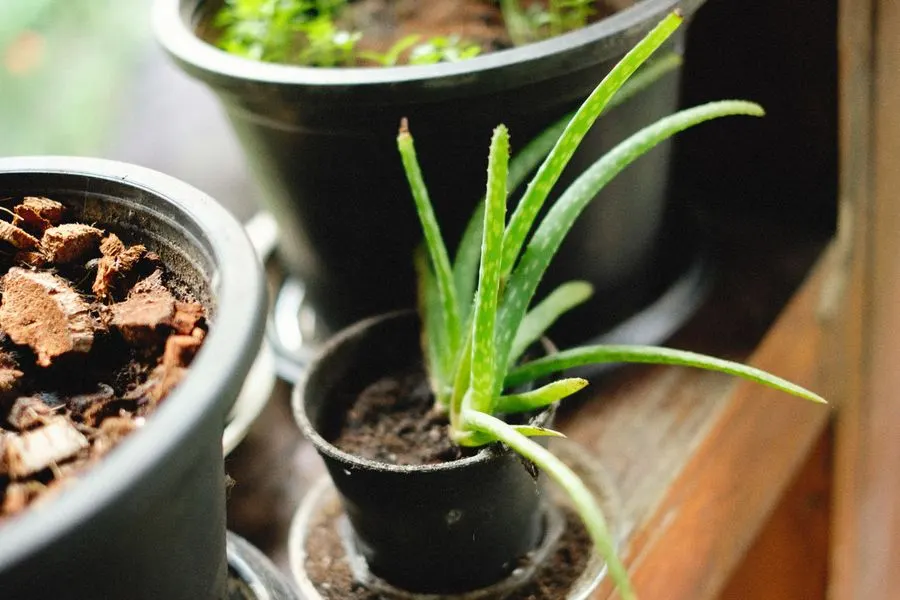
Aloe vera is the plant almost every Indian home keeps for a reason — it sits on a sunny windowsill for years, asks for almost nothing, and its thick leaves are always there when someone in the house reaches for them. It is also the plant most often killed by kindness: too much water. This is the complete Maali Uncle profile for aloe vera, written in the same 22-field structure as our tulsi profile, our money plant profile and our snake plant profile. Traditional uses are described as traditional uses, not as medical advice.
Identity
- Common names: Aloe vera, ghritkumari, gheekumari, Indian aloe
- Botanical name: Aloe barbadensis (also sold as Aloe vera)
- Family: Asphodelaceae
- Origin: the Arabian Peninsula; naturalised and widely grown across India for centuries, in gardens, pots and on sunny balconies
- Growth habit: a stemless rosette succulent; the thick, fleshy, lance-shaped leaves typically reach 30–60 cm in a pot, arranged in a tight rosette, and the plant slowly produces offsets (pups) around its base
How to identify good aloe vera
Look for thick, firm leaves that stand upright or arch gently, with a smooth, slightly waxy surface and pale spots on young leaves — the spots usually fade as the leaves mature, which is normal. The centre of the rosette should be dry and firm, not wet or soft. Avoid plants with thin, curling leaves (a sign of long thirst), a mushy or blackened base (rot, usually from overwatering), or leaves that pull away easily from the centre. When buying, choose a plant whose pot feels light for its size — a heavy, soggy pot is a warning — and whose leaves are unblemished and evenly coloured.
Varieties you will actually find
- Aloe barbadensis: the common medicinal aloe — broad, thick, grey-green leaves, the one in almost every Indian home. This is the variety to buy if you want the familiar plant.
- Aloe arborescens (torch aloe): a branching, shrubby aloe that grows taller, with narrower leaves and orange-red flower spikes; more of a garden plant than a windowsill one.
- Aloe aristata (lace aloe): a small, compact rosette with white toothed edges; good for a small pot or a desk.
- Aloe variegata (tiger aloe / partridge-breast aloe): short, triangular leaves with white bands; slow-growing and ornamental.
- Aloe 'Blue Elf': a compact hybrid with blue-green leaves and orange flowers; increasingly common in nurseries.
Nursery labels vary and are not always reliable — buy by looking at the plant, not the label. For a first plant, the common Aloe barbadensis is the toughest and most forgiving choice.
Sunlight
Bright light is best: a sunny window or balcony with several hours of light a day. Morning sun is ideal. Aloe tolerates a few hours of direct sun, but harsh afternoon sun in a Delhi May or June can sunburn the leaves — they turn brown, orange or pinkish, which is the plant's stress colour, not a disease. In too little light the rosette stretches, the leaves grow thin and pale, and the plant stops producing pups. If your aloe is turning brown, move it out of the harshest sun first and see if it greens up again — it usually does within a few weeks.
Water
Sparingly — this is the whole secret of aloe vera. Water deeply, then let the mix dry out completely before watering again. For most Indian homes that means about once every 2–3 weeks in summer and once a month or less in winter, but your pot and your room matter more than any calendar: a small terracotta pot in a sunny spot dries far faster than a large plastic pot indoors. Always water at the soil, never into the centre of the rosette — water sitting in the rosette rots the plant from the inside. Always empty the saucer. Overwatering shows up as soft, mushy leaves at the base, and it is the number one aloe killer; if you see it, stop watering entirely, let the soil dry out, and read our root rot guide and our overwatering vs underwatering guide. When in doubt, wait another week — an aloe forgives drought far more easily than it forgives a wet pot.
Soil and pot size
Use a very free-draining, sandy mix — a cactus or succulent mix, or garden soil mixed with plenty of sand or perlite and a little compost, so water runs straight through. Our cocopeat guide explains a useful ingredient, but cocopeat alone holds too much water for aloe — always mix it with sand or perlite. Pot size: snug is good — a 6–8 inch pot suits most young plants, and a pot that is too big holds wet soil the roots cannot use. Drainage holes are non-negotiable, and terracotta is the best choice because it dries out between waterings — our pot comparison guide explains why. Repot every 2–3 years, or when the plant is crowded with pups — a good time to separate them and pot them up.
Propagation
Pups (offsets) — the reliable way. A healthy aloe produces small rosettes, or pups, around its base. Wait until a pup is a few centimetres across and has a few leaves of its own, then unpot the plant, gently tease the pup away with some roots attached, let the cut end dry for a day, and pot it in dry, sandy mix. Water lightly after a week. Most pups take easily.
Leaf cuttings — almost never work. Unlike many succulents, an aloe leaf cut from the plant almost always rots before it roots, because the leaf is so full of water. Do not waste good leaves trying; use the pups instead.
Seed. Possible from a flowered plant, but slow and rarely worth it for a home grower — pups are faster and identical to the parent.
Pruning
Aloe needs very little pruning. Remove dead, dried or badly damaged outer leaves by cutting them close to the base, and pull away dried leaf bases if they bother you. Never cut the centre of the rosette — that is the growing point, and damaging it can kill the plant. If a leaf is harvested for gel, cut it at the base with a clean knife; the plant will seal the cut itself. Do not remove healthy leaves to “tidy” the rosette — every leaf is a water store.
Fertilisation
Light feeding only: a balanced liquid fertiliser at half strength, once or twice during the growing season (roughly March to September). None in winter. Aloe grows slowly and needs very little food — overfeeding produces soft, weak growth and salt build-up that browns the leaf tips. A small top-up of vermicompost in spring is usually enough; see our compost comparison guide for the differences. If you have never fed your aloe and it looks fine, you do not need to start.
Flowering and harvesting
Mature, happy aloes flower — a tall, thin spike, often a metre high, carrying tubular yellow or orange flowers, usually in the warm season. It is a pleasant surprise, and not a sign of trouble. After flowering, the spike dries and can be cut away.
Harvesting leaves: cut a thick outer leaf at the base with a clean knife, let the yellow sap (the latex) drain out for a few minutes, then split the leaf and scoop out the clear gel. The gel is traditionally applied to skin — that is a traditional use, not a medical treatment, and this guide makes no claim that it treats any condition. The yellow latex contains aloin, a bitter, irritating substance and a strong laxative — do not swallow it, and do not use the gel on broken skin or on a child without medical advice. If you want aloe for skin, use the clear gel only, and stop if it irritates.
Pests and diseases
Aloe has few pests. Mealybugs occasionally settle in the leaf joints — remove with a cotton bud dipped in diluted soap or alcohol. Scale appears as small brown bumps; scrape off and treat the same way. Root rot from overwatering is by far the most serious problem: the base turns soft and the leaves pull out easily. Prevention (drainage, watering only when dry) matters far more than any cure. Aloe rust — small dark spots on the leaves — appears in warm, humid weather; it is usually cosmetic, and better air circulation and drier leaves help. For identification and control in detail, read our pest identification guide.
Seasonal care
Summer (April–June): aloe handles Delhi heat well. Water a little more often as pots dry faster, keep it out of harsh afternoon sun, and it will put on its fastest growth. The leaves may take on a bronze tint in strong sun — that is stress colour, and it fades when the plant is shaded.
Monsoon (July–September): keep it out of driving rain and never let the pot sit in water. Indoor plants need barely any watering at all in humid weather — check the soil, do not water by habit. A good season for separating pups.
Winter (November–February): growth nearly stops. Water very sparingly — once a month or less — stop fertiliser, and keep the plant above about 5°C, away from cold windows and draughts. Aloe dislikes frost and cold plus wet soil is the combination that kills it in a Delhi winter; on the coldest nights, bring a balcony plant indoors.
Companion plants
Aloe pairs well with other low-water succulents — snake plant, jade and echeveria all share its watering needs and make a good mixed display of different leaf shapes. It is the classic plant for a sunny windowsill or a dry balcony corner. Avoid putting it in the same pot as a thirsty plant: their watering needs are opposites, and one of them will suffer.
Uses
Ornamental first — its sculptural rosette suits a sunny windowsill, a balcony ledge or a dry corner of the garden, and it is one of the toughest plants a beginner can own. The gel is traditionally used on skin in Indian homes — as a traditional use, not a medical treatment — and the plant has been grown in India for centuries for that reason. Like snake plant, aloe is a CAM plant: it opens its leaf pores at night rather than during the day. The honest version on air: in a real room, one plant's effect on the air is small — open windows and ventilation do far more — so grow it because it is beautiful and nearly unkillable, not because it will clean your air.
Interesting facts
- An aloe leaf is mostly water — the thick gel inside is how the plant survives months of drought in its dry homeland.
- The name “aloe” comes from the Arabic alloeh, meaning bitter — a reference to the yellow latex, not the gel.
- Aloe has been grown in India for so long that most people assume it is native — it is not; it arrived from the Arabian Peninsula and made itself at home.
- A single healthy plant can produce a dozen pups in a few years, which is why one aloe in a home often becomes many, passed between neighbours and relatives.
Limitations and toxicity
Aloe is mildly toxic if eaten: the leaves contain anthraquinones, including aloin in the yellow latex, which can cause cramps, diarrhoea and vomiting in pets and people if swallowed. The clear gel is the part traditionally used on skin, and even that can irritate sensitive skin — keep the plant away from pets that chew leaves and from small children, and never give any part of it to a pet or a child to eat. The sap can irritate sensitive skin, so wash your hands after handling cut leaves. Its other limitations are few: it grows slowly, it will not thrive in a dark room, and it will not survive a cold, wet winter outdoors.
Frequently asked questions
Why are my aloe leaves turning brown? Usually sun stress from harsh afternoon sun, or cold. Move the plant to bright but gentler light and it usually greens up again within a few weeks. Brown, mushy leaves at the base mean rot instead — stop watering.
Why is the base soft and mushy? Root rot from overwatering, almost always. Stop watering, let the soil dry out completely, and remove the mushy leaves. If the centre is still firm, the plant may recover; if the whole rosette is soft, save any healthy pups and start again.
Can aloe grow in water? No — aloe is a desert succulent, and a leaf or plant kept in water will rot. It needs dry, sandy soil and a pot with drainage.
How do I harvest the gel? Cut a thick outer leaf at the base, stand it upright for a few minutes so the yellow latex drains out, then split it and scoop the clear gel. That gel is for traditional skin use only — not a medical treatment, and not for eating.
Why is my aloe not producing pups? Usually the plant is still young, or it is in too little light, or its pot is too small. Give it bright light, a slightly larger pot and a growing season — most healthy aloes start pupping in their second or third year.
Why are the leaves thin and curling? Thirst — the plant is using up its stored water. Water deeply, let it drain, and the leaves should plump up again over the following days. If they stay thin after watering, check the roots for rot.
Maali Uncle ki gardening guide — ghar par paudhon ki dekhbhal, aasan tareeke se. This profile follows the same 22-field structure as our tulsi, money plant and snake plant profiles. Apni jagah ke hisab se salah ke liye Expert Maali book karein.
Is page ko Maali Uncle app mein kholo: app mein kholo