← Maali Uncle website par wapas
Soil Preparation Before Landscaping: Start Underground
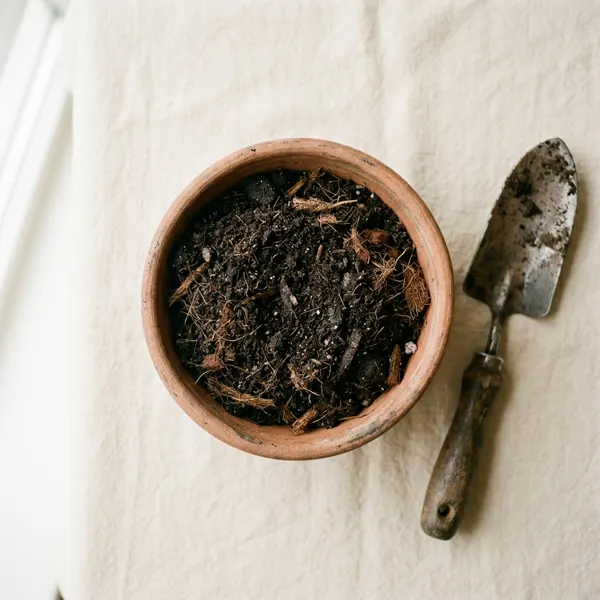
Ask a landscaper what decides whether a garden thrives, and the answer is rarely the plant list. It is the soil — what it is made of, how it drains, and what is buried in it. Soil preparation is invisible work, which is why it is the first thing skipped and the most common reason a new landscape struggles. This guide explains how to read your site's soil and improve it before anything goes into the ground.
Why soil comes first
Plants live or die by their roots, and roots live in soil. Good soil holds moisture without waterlogging, lets air reach the roots, and supplies nutrients steadily. Poor soil does the opposite: it dries to concrete in May, turns to slurry in the monsoon, and starves whatever is planted in it. No amount of fertiliser fixes bad soil structure — the structure has to be built first. That is why our site assessment looks at soil before it looks at plants.
Reading your site's soil
You can learn a lot with simple checks — these are rough guides, not laboratory analysis. The squeeze test: take a handful of moist soil and squeeze it. If it holds a shape but crumbles when poked, it is loamy and workable. If it stays in a hard ball, it is heavy with clay. If it falls apart immediately, it is sandy. The drainage test: dig a small hole, fill it with water, and watch. If the water is still sitting there hours later, the site has a drainage problem that must be fixed before planting. The debris check: dig in a few spots. Construction rubble, plastic and buried waste are common in new plots in Delhi NCR, and they must come out before beds are made.
Common problems in Delhi NCR sites
Compacted fill: new plots are often levelled with hard, compacted earth that roots cannot penetrate. It needs loosening and organic matter, not just a layer of topsoil on top. Construction debris: brick, concrete and plaster buried in the ground block roots and drainage. Alkaline patches: some Delhi NCR soils are alkaline, which limits what grows well and how nutrients are absorbed — a soil test from a local lab gives the real picture where it matters. Thin topsoil: many sites have only a shallow layer of decent soil over hard subsoil. Beds need depth, not just surface dressing.
Improving soil honestly
Compost and vermicompost are the most reliable improvers: they add organic matter, feed soil life and improve both drainage and moisture-holding. Our compost, vermicompost and manure guide and vermicompost guide explain the differences. Cocopeat lightens heavy mixes and holds moisture — see what cocopeat is. Coarse sand can open up heavy clay, but only in real quantities; a handful in a clay bed does nothing. What does not work: a thin layer of good soil over bad ground, which roots hit like a floor, and fresh manure, which burns roots and should never go near planting.
Drainage: the quiet killer
More landscape plants die from waterlogged roots than from drought. Before planting, the site needs a drainage plan: where monsoon water goes, whether beds sit above the surrounding ground level, and whether outlets are clear. Raised beds help where the ground is low or the soil is heavy. On terraces, drainage is even more critical — see our rooftop structural guide.
What not to do
Do not use fresh, uncomposted manure — it burns roots and carries weed seeds. Do not dig deep near existing trees — their feeding roots are near the surface and damage shows months later. Do not use one standard mix for everything — lawns, beds, trees and pots each need different soil. And do not skip the soil work to save time: the plants will tell on you within a season.
Soil in pots is a different subject
Everything above is about ground soil. Pots follow different rules — lighter mixes, faster drying, no earthworms doing the work for you. For containers, see our potting mix guide.
FAQs
Should I replace all my soil? Rarely. Most soils can be improved with organic matter and proper preparation. Full replacement is for sites with serious contamination or rubble — and even then, only the affected areas.
How do I know if my soil needs a lab test? If plants repeatedly fail despite good watering and care, or if you are planning a large investment in trees and lawns, a lab test is worth it. For a small home garden, the simple checks above are usually enough.
Soil is the first thing we assess on a site visit. Start with our complete guide to landscaping in India, or arrange a site visit.
Is page ko Maali Uncle app mein kholo: app mein kholo