← Maali Uncle website par wapas
Vertical Gardening at Home: Grow Up the Wall When Floor Space Runs Out
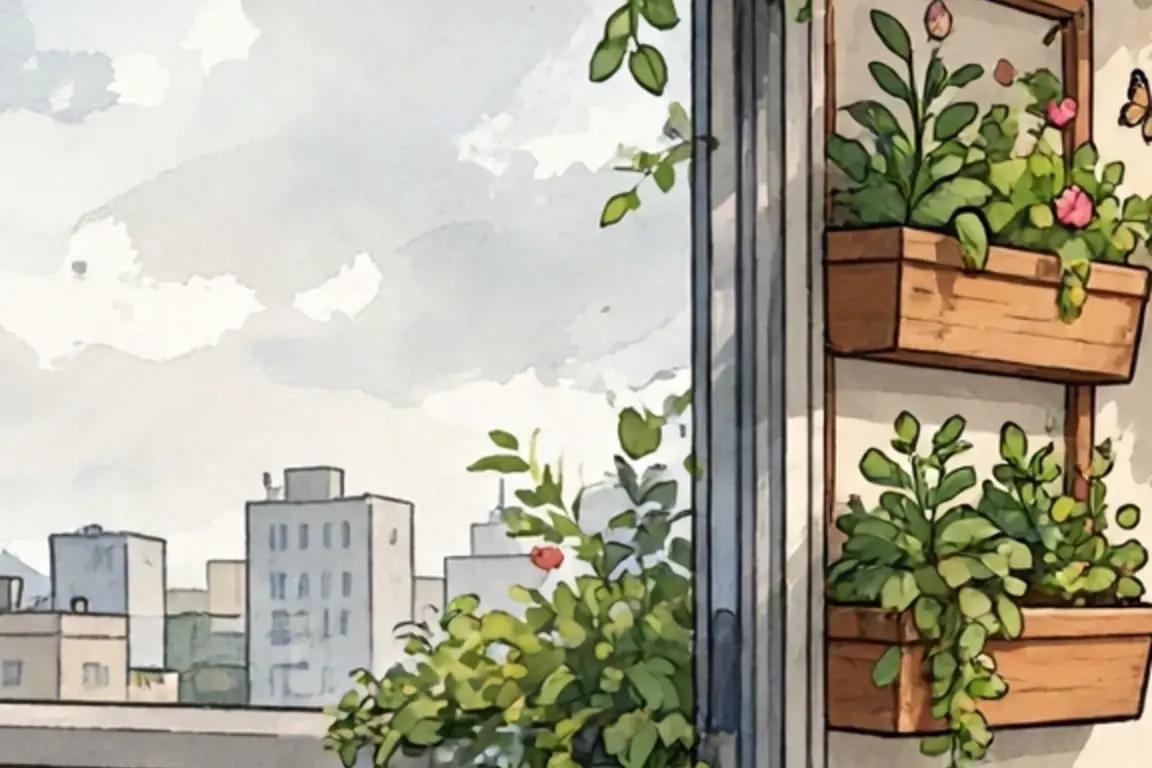
When the balcony floor is full and the windowsills are taken, the only direction left is up. Vertical gardening — growing plants on walls, grills, trellises and stacked structures instead of on the ground — is the most practical trick for Indian flats, where floor space is scarce and wall space is free. Done well, it turns a bare wall into a herb garden, a privacy screen and a cooler room. Done badly, it becomes a wall of dry top pots, soggy bottom pots and plants that die in a month. This guide covers the structures, the plants and the watering routine that makes it work.
Why vertical works in Indian homes
Three reasons. First, space: a 3-foot-wide wall can hold 15–20 small plants in pockets or pots, where the floor would hold three. Second, light: plants stacked vertically each get their own share of sun instead of shading each other on a crowded floor. Third, cooling: a green wall shades the wall behind it, and in a Delhi summer a shaded wall can keep the room behind it noticeably cooler — a small, real benefit, not a miracle. Vertical gardening suits balconies, compound walls, kitchen walls near a window, and even an indoor wall with enough light. It does not suit a wall that gets no light at all — no structure fixes darkness, and our low-light plants guide is the honest check before you start.
Choose a structure that fits your wall
Fabric pocket planters: the easiest start — a felt or canvas sheet with pockets, hung on a wall or grill. Cheap, light and forgiving; best for herbs, small leafy greens and trailing plants. Stacked pots and towers: pots stacked or hung in tiers, good for strawberries, herbs and small vegetables. PVC pipes and gutters: horizontal pipes with holes, mounted on a wall — popular for leafy greens and a tidy, even look. Trellis and netting: a frame for climbers — money plant, morning glory, beans and gourds climb it themselves, and it doubles as a privacy screen. Pallet and crate walls: wooden pallets fixed to a wall with pots slotted in; sturdy and attractive, but heavy — fix them properly and check the wall can hold the weight when the soil is wet. Whatever you choose, fix it to the wall with proper anchors, never lean a loaded structure against a railing, and leave a gap behind it so the wall can dry — a planter pressed flat against a wall traps dampness and stains it.
Which plants actually work vertically
Small, light plants with shallow roots do best. Herbs: mint, coriander, basil, ajwain and curry leaf seedlings — the top pockets of any vertical garden. Our ten culinary herbs guide lists what to grow and how to use it. Leafy greens: palak, methi, lettuce and microgreens in shallow pockets and pipes. Trailing plants: money plant, wandering jew and portulaca spill down beautifully and hide the structure. Climbers: beans, cucumber and gourds on a trellis, plus flowering climbers like morning glory for colour. Flowers: petunia, portulaca and marigold in sunny pockets. Avoid heavy plants, deep-rooted vegetables like carrots, and anything that grows into a large shrub — a vertical pocket is a small pot, and a big plant in a small pot is a stressed plant. For the full starting point, our balcony garden guide covers sun, weight and drainage first.
Watering: the top dries, the bottom drowns
This is the one problem every vertical gardener meets. Water runs down: the top pockets dry out within a day in summer, while the bottom pockets stay soggy and breed root rot. Fix it with routine, not gadgets. Water slowly, pocket by pocket, starting at the top, and give the top rows a little extra. Check the bottom rows before watering them — if the soil is still damp, skip them. A drip line or a simple bottle-drip system helps on a large wall, but for a small home setup, a watering can and five minutes every morning beats an expensive system you never maintain. Use a light, free-draining mix with cocopeat and perlite so pockets drain instead of holding water; our cocopeat guide explains the mix. And always put a tray or a drip channel at the bottom — water that runs off a vertical garden lands on the floor or the neighbour below.
Care and upkeep through the year
Vertical gardens need a little more attention than floor pots, because small pockets dry fast and run out of nutrients faster. Feed lightly every few weeks with mature compost or liquid compost tea — our compost guide compares the options. Prune trailing plants before they smother the pockets below, and replace a dead plant quickly so the gap does not become a dry patch that spreads. In peak summer, a shade net over a sunny vertical wall saves the top rows from scorching. In the monsoon, check that pockets drain freely — a blocked pocket in heavy rain becomes a small swamp. Rotate crops seasonally: leafy greens and herbs in winter, hardy flowers and heat-tolerant greens in summer, using our seasonal calendar to plan the change.
Frequently asked questions
Can a vertical garden damage my wall? It can, if water sits against the wall. Leave an air gap behind the structure, use waterproof backing on an indoor wall, and check for damp patches monthly.
How much weight does a vertical garden add? A loaded pocket planter can weigh 15–25 kg per square metre when wet. Fix it with proper wall anchors into brick or concrete, never into plaster alone, and keep heavy structures on ground-floor or compound walls.
Which is better — pockets or pipes? Pockets are easier to start, move and replace; pipes look tidier and suit leafy greens in a row. Start with pockets, move to pipes once you know which plants you actually grow.
Can I grow vegetables vertically? Small ones, yes — leafy greens, herbs, chillies and beans all work. Large vegetables like brinjal or pumpkin need big pots on the floor; a pocket is too small for them.
Do vertical gardens need more water? Usually yes — small pockets dry faster than big pots, especially the top rows in summer. Check daily in hot weather and water in the morning, not in the midday heat.
Want a vertical garden designed for your wall — structure, plants and a watering routine that fits your day? Book an Expert Maali — we plan the wall, the weight and the watering, so your garden grows up instead of drying out.
Is page ko Maali Uncle app mein kholo: app mein kholo