← Maali Uncle website par wapas
Office Garden Design: Plants, Placement and a Watering Routine That Actually Lasts
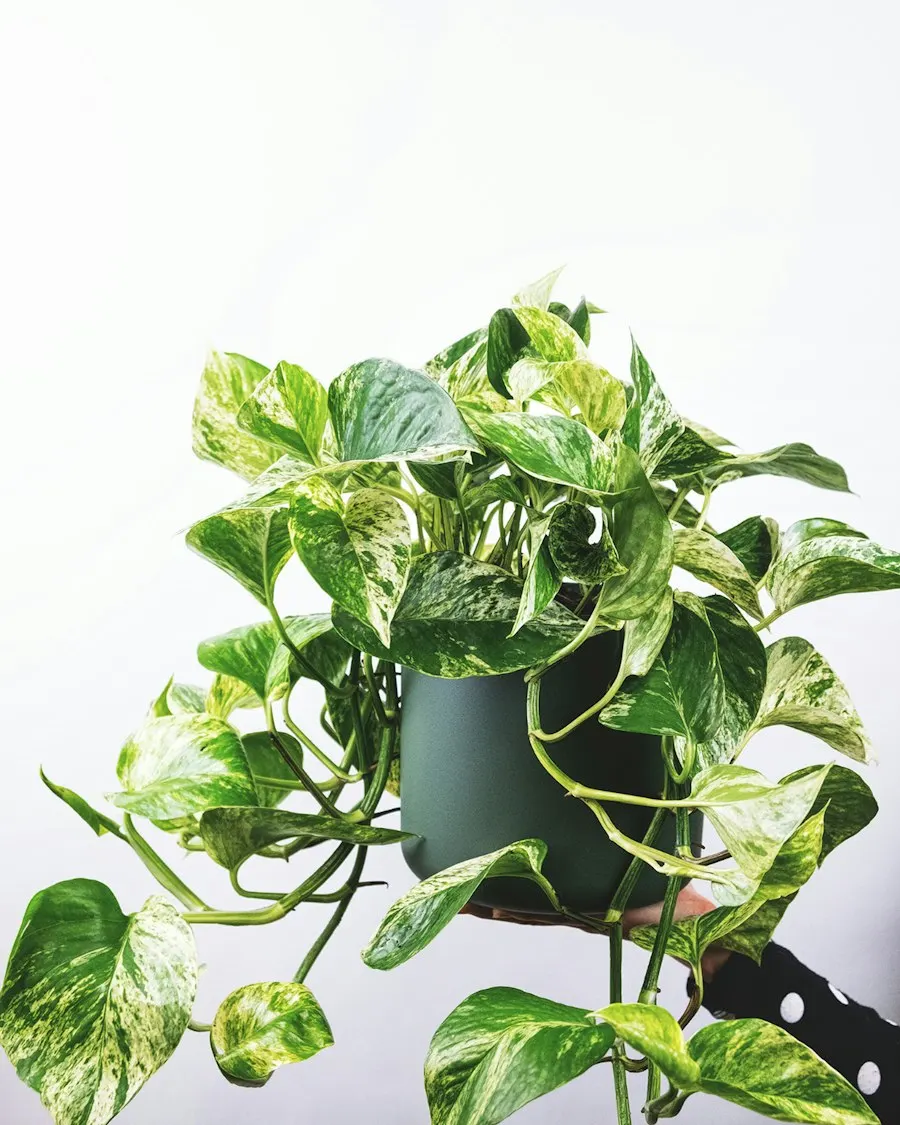
Offices add plants for a simple reason: a green office feels better to work in than a bare one. A plant by the reception softens the first impression, a green corner makes a meeting room less stark, and a desk plant gives a tired afternoon something living to look at. But office plants fail more often than home plants — not because offices are bad for plants, but because nobody owns the watering. This guide is about designing an office garden that survives: where to place plants, which ones cope with office light and air conditioning, who waters them, and how to keep it simple enough that it actually lasts. For the plant care basics, see our indoor plants complete guide.
Quick answer
- Start where people actually look: reception, meeting rooms, and desk clusters — not corridors nobody uses.
- Choose low-light tolerant plants for most offices: snake plant, money plant, ZZ plant, peace lily, and areca palm for bright spots.
- Decide who waters: assign a named person or a weekly rota. Unwatered office plants are the most common failure.
- Keep it simple: one plant type per area, matching pots, no clutter. Repetition looks designed; variety looks accidental.
- Avoid strong fragrance and heavy pollen near desks, and keep walkways and fire exits clear at all times.
Why offices add plants — honestly
Research links indoor plants with better perceived comfort, lower perceived stress, and better attention in workspaces. That is a real finding, and it is also a modest one — plants make a room feel calmer and more welcoming, but they are not a treatment for stress, and they do not purify office air on their own. In a normal office with air conditioning, doors opening, and people coming and going, ventilation and fresh air matter far more than any plant for air quality. The honest case for office plants is simpler: they look good, they make a space feel cared for, and people like working around them. That is reason enough — it does not need exaggerated claims.
Where to place them
Reception: one statement plant — an areca palm or a fiddle-leaf fig in a large pot — makes the first impression. Keep it where visitors see it and staff do not trip over it. Desks: small plants that stay small — a snake plant or money plant in a desk pot, or a small syngonium. Nothing that trails across keyboards or blocks a monitor. Meeting rooms: a medium plant in a corner, or a small one on a side table — it softens the room without distracting from the meeting. Breakout areas: the best place for a bigger display — a cluster of plants, or a green wall if the budget allows. Corridors: only if they are wide enough that a pot never narrows the walking space. Never place plants where they block a fire exit, a door swing, or a walkway.
Plants that survive office life
Offices usually mean low to medium light, air conditioning, and weekends with no watering. The plants that cope: snake plant — tolerates low light, survives missed watering, and suits desks and corners (see the snake plant care guide). Money plant — trails nicely, grows in water or soil, and forgives neglect. ZZ plant — glossy, slow-growing, and very tolerant of low light and dry soil. Peace lily — flowers in medium light and tells you when it is thirsty by drooping, then recovers fast (see the peace lily care guide). Areca palm — for bright reception areas and large spaces (see the areca palm care guide). Spider plant and syngonium — easy, adaptable, and good for shelves and hanging spots. For the full low-light list, see best plants for low-light rooms.
The watering routine that actually works
One named person, or a small rota, beats good intentions every time. Pick a day — Monday morning works well — and check the soil with the finger test before watering: push a finger 3 to 5 cm into the soil and water only if it feels dry. Most office plants need water once a week or less; overwatering kills more office plants than underwatering. For weekends and holidays, either assign someone to water, or use self-watering planters for the thirsty ones. If a plant starts yellowing, check the soil first — our overwatering vs underwatering guide helps diagnose it. Keep a simple log on the pantry wall: plant, location, last watered. It sounds formal, but it is what keeps a hundred plants alive in a real office.
Safety and etiquette
Keep pots stable and heavy enough not to tip — a tall plant in a light pot falls on the first person who brushes past it. No trailing vines across desks or walkways. Choose fragrance-free plants near desks — strong fragrance bothers some people, and heavy pollen is worse. Keep plants away from food preparation areas unless they are herbs for the pantry. Check the office policy first: some buildings restrict plants near server rooms, electrical panels, or in fire escape routes. And if anyone in the office has a known plant allergy, ask before adding new plants to shared spaces.
Budget and phasing
Start with reception and one desk cluster — ten to fifteen plants, in matching pots, with a watering rota. Run that for a month. If the routine holds and the plants look good, add the meeting rooms and the breakout area. If the routine fails, fix the routine before buying more plants — more plants only multiply the problem. Pots, plants, and any professional maintenance are confirmed on enquiry, not guessed here — a maintenance visit is usually a weekly or fortnightly check, watering, pruning, and replacing any plant that has failed. For larger workplaces, our commercial landscaping service covers planting plans for offices and shared spaces.
FAQs
Do office plants improve air quality? A little, in the same way any plant does — but in a normal office, ventilation matters far more. Do not buy plants as an air-purification solution; buy them because they make the space better to work in.
Which plant needs the least care in an office? The snake plant — it tolerates low light, survives missed watering, and stays neat. The ZZ plant is a close second.
Who should water office plants? A named person or a small rota, with a fixed day and a simple log. Plants with no owner die — that is the most common office plant story.
Can we have plants in a windowless office? Low-light plants like snake plant and ZZ plant cope, and you can rotate plants — a few weeks in the windowless room, then a few weeks near a window to recover. Grow lights are another option for windowless spaces, but they add cost and need to be set up properly.
Planning an office garden? Start with our indoor plants complete guide and the low-light plants list, then book an Expert Maali for a plan matched to your office light and layout.
Is page ko Maali Uncle app mein kholo: app mein kholo