← Maali Uncle website par wapas
Indoor Plants Complete Guide for Indian Homes
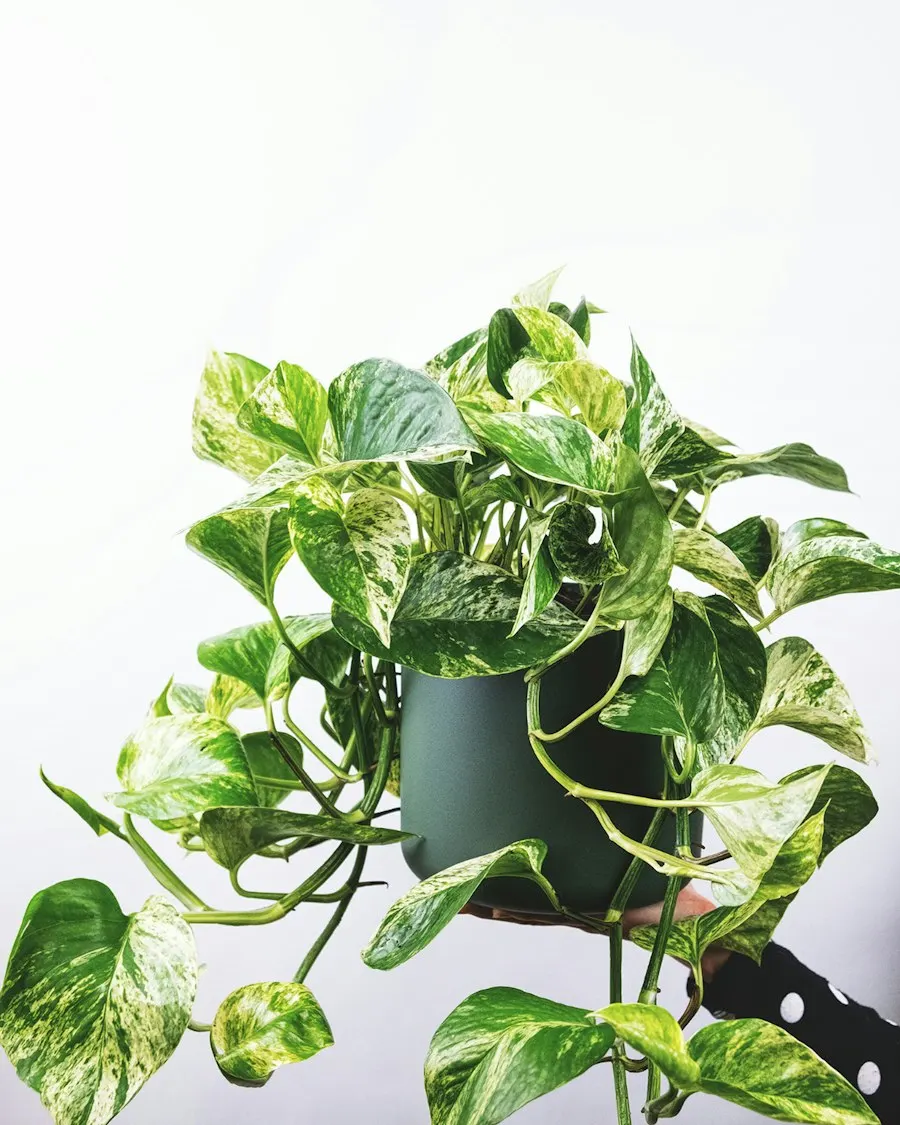
Most indoor plants do not die because their owners do not care. They die because the plant, the light and the watering habit do not match. This guide fixes that match first, and only then talks about which plants to buy. It is written for Indian flats: small rooms, dusty air, ceiling fans, AC bedrooms, and balconies that swing from harsh summer sun to still winter air.
Step 1: read your light honestly
Stand where the plant will sit at mid-morning and look at the sky, not the sun. Bright indirect light means you can see open sky but the sun does not fall directly on the leaves for hours. Direct sun means the plant sits in a sun patch. Low light means the spot is several feet from a window or faces a shaded wall. Most popular indoor plants — money plant, snake plant, areca palm, peace lily — want bright indirect light. Only a few, like snake plant and ZZ-type plants, tolerate low light, and even they grow slowly there. A plant that stretches towards the window, with long gaps between leaves, is asking for more light. A plant with scorched, pale patches is getting too much direct sun.
Step 2: water by finger, not by calendar
There is no correct number of days between waterings for every home, because pot size, soil, light and season all change how fast a pot dries. Use the finger test: push a finger about 2 cm into the mix. If it feels dry, water thoroughly until a little runs out of the drainage hole, then empty the saucer. If it still feels damp, wait. In winter, most indoor pots need water noticeably less often than in summer, because growth slows and evaporation drops. Overwatering is the single most common killer — it suffocates roots and invites root rot. If leaves turn yellow and the soil smells musty, check the yellow leaves diagnosis guide before adding more water.
Step 3: pot, soil and drainage
Every indoor pot needs a drainage hole. Without one, water collects at the bottom and roots sit wet even when the surface looks dry. Choose a pot only slightly larger than the root ball — a pot far too big stays wet for too long. For soil, a light, airy potting mix works for most houseplants; heavy garden soil compacts in pots and holds too much water. A practical home mix is garden soil, mature compost and sand or cocopeat in roughly equal parts, adjusted so water drains within seconds rather than pooling. For succulents like jade, use a grittier, faster-draining mix — see the jade plant care guide — and for pot shapes and materials, the right pot guide explains the trade-offs.
Step 4: place plants by room, not by looks alone
Living room: a bright corner near a window suits areca palm or money plant on a moss pole. Bedroom: snake plant is the easy choice because it tolerates low light and very little water, and it does not need misting. Study desk or shelf: a small jade or a money plant cutting in water needs little attention. Bathroom: only if there is a window with bright indirect light and the pot can drain — most bathrooms without windows are too dark. Kitchen window: herbs like mint do well in bright light, but keep them away from direct cooking heat. Avoid placing any plant right above a radiator, directly in an AC blast, or pressed against a west-facing glass door in May and June.
Step 5: a weekly routine that takes ten minutes
Once a week, walk past every plant and do four things: finger-test the soil, turn each pot a quarter turn so growth stays even, wipe dusty leaves with a damp cloth, and remove any fully yellow or dead leaves. Once a month in the growing season (roughly March to October in most of India), feed lightly with a diluted balanced liquid feed or a small handful of mature compost on the surface — more is not better, and a stressed or newly repotted plant should not be fed. Check under leaves every few weeks for pests; catching them early is far easier than treating a heavy infestation later.
Indian seasons: what actually changes
Summer: water more often, move sun-sensitive plants back from harsh afternoon sun, and watch for pots drying out completely on hot balconies. Monsoon: humidity helps leafy plants, but drainage matters most — empty saucers and do not let pots sit in rainwater. Winter in North India: growth slows, watering drops, and cold drafts near windows can chill tropical plants at night, so move sensitive plants slightly inward. A plant that was happy in October may need a different watering rhythm in January; that is normal, not failure.
Start here: five forgiving plants
If you are starting from zero, begin with one or two of these and learn them before adding more: money plant (trailing, forgiving, grows in water or soil), snake plant (very low water, tolerates low light), areca palm (soft, leafy, likes bright indirect light and regular water), jade (a succulent for sunny sills — water sparingly), and tulsi on a sunny sill or balcony (needs several hours of sun; see the Tulsi complete profile). Buy a small plant first. A small healthy plant that you learn to keep alive beats a large plant that struggles in your light.
FAQs
Do indoor plants purify the air? Only a little in a real room. Ventilation and fewer indoor smoke sources matter far more — read the honest version in Houseplants, Honestly.
How often should I mist my plants? Most common houseplants do not need misting. Misting gives a brief humidity rise and then evaporates; grouping plants together or using a pebble tray helps more, and wet leaves in a still room can invite fungus.
My plant is dropping leaves — is it dying? Not necessarily. A few older leaves dropping after a move is normal adjustment. Rapid, widespread leaf drop usually points to overwatering, a cold draft, or a sudden light change — check soil moisture first.
Still unsure what fits your room? Note your window direction, hours of direct sun, and how often you are home to water, and book an Expert Maali — matching the plant to the space is the whole point.
Is page ko Maali Uncle app mein kholo: app mein kholo