← Maali Uncle website par wapas
Vertical Green Walls: How to Build a Living Wall on a Balcony or Boundary Wall
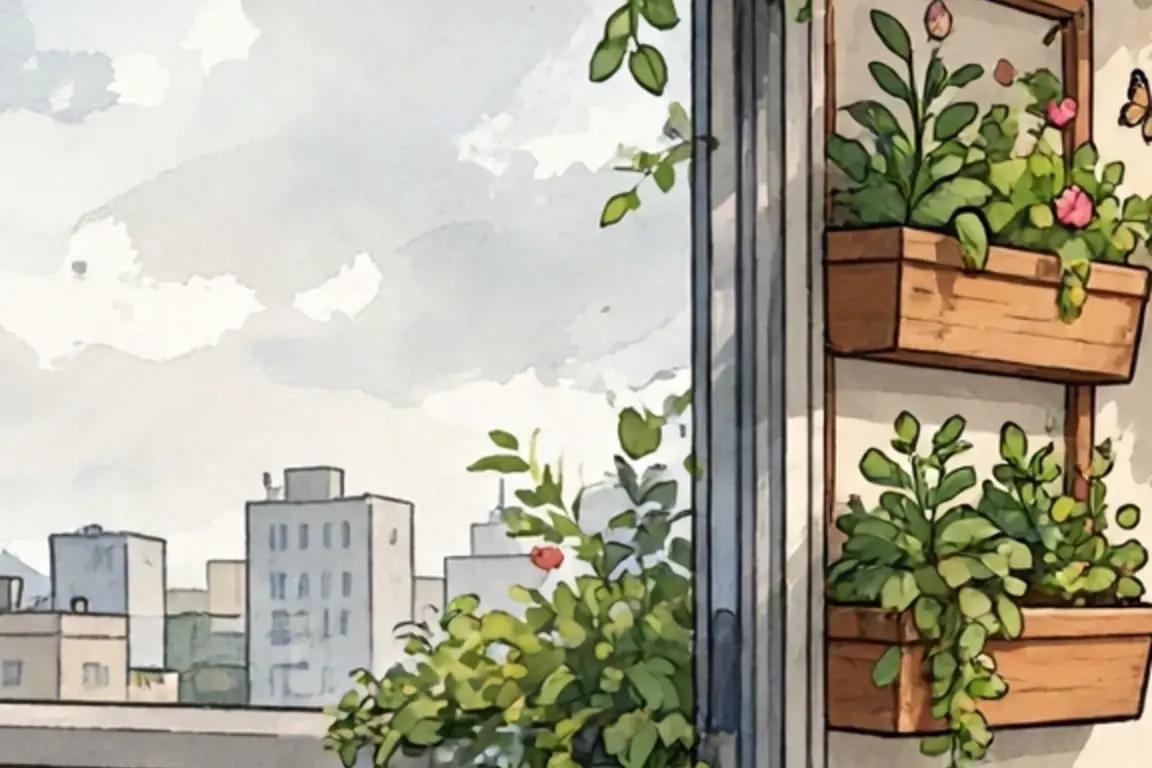
A vertical green wall is a garden that grows upwards — plants fixed to a wall or a freestanding frame, instead of sitting in pots on the floor. On a small Delhi balcony or a bare boundary wall, it is often the only way to add real greenery without losing the space you sit, walk and dry clothes in. Done well, a living wall cools the wall behind it, softens noise, and turns the dullest corner of a home into the one everyone photographs.
Done badly, it is a damp patch, a dead row of plants and a wall that needs repainting. The difference is almost never the plants. It is the structure, the waterproofing and the watering. This guide covers the types of green wall that work in Indian homes, how to choose between them, which plants survive, and the maintenance a living wall honestly needs.
The four types of green wall
1. Pocket planters. Fabric or felt pockets hung on a frame, each holding one small plant in a little soil. The cheapest way to start, and the easiest to change — a dead plant is one pocket swapped out. The catch: pockets dry out fast in a Delhi summer, so they need watering every day or two, and cheap fabric tears within a season or two.
2. Modular panels. Rigid plastic or metal trays that click together on a frame, each with its own planting cell and a shared drip line. More expensive to set up, but far more reliable — even watering, better root space, and panels that last years. This is the usual choice for a permanent wall in a home, office or restaurant.
3. Trellis and climbers. Not a wall of pots at all — a trellis, mesh or wires fixed to the wall, with climbers growing up it. Money plant, jasmine, bougainvillea, Rangoon creeper and morning glory all work. Cheapest of all, and the most forgiving, because the plants root in the ground or in large pots below. The trade-off is time: a trellis wall takes a season or two to fill in.
4. Pallet or crate walls. Wooden pallets or crates fixed to a wall and filled with soil, planted with herbs, succulents or trailing plants. A good weekend DIY project and a popular choice for kitchen herbs. Wood rots in the monsoon, so treat it or accept replacing it every couple of years.
If you are starting from scratch, our vertical gardening at home guide covers the basics of growing upwards on a balcony, and balcony garden design ideas shows how a wall fits into a whole balcony plan.
Structure first: weight, wall and waterproofing
A green wall is heavier than it looks. Wet soil, plants and a frame add up quickly — a single square metre of planted wall can weigh 30 to 50 kg when freshly watered, and more for a panel system with a water tank. Before fixing anything to a wall, check three things.
Can the wall take it? A solid brick or concrete wall usually can, with proper anchors. A thin partition wall, a plasterboard wall or a railing cannot — use a freestanding frame instead, one that stands on the floor and leans on the wall for support rather than hanging from it.
Is the wall protected from water? Constant moisture against a wall causes damp patches, peeling paint and, over time, damage to the plaster. A waterproof membrane or a plastic sheet behind the planting layer is not optional for an indoor wall or a wall shared with a neighbour — it is the whole job. Leave a small air gap between the membrane and the wall so air can move.
Where does the extra water go? Every watering produces run-off. A drip tray or a gutter at the bottom, draining into a bucket or a drain, keeps the floor dry and lets you reuse the water. A wall with no drainage plan will stain the floor below within weeks.
On a rooftop or terrace, weight and structure matter even more — see our complete rooftop garden setup guide and the structural considerations for rooftop gardens before building anything heavy up there.
Watering a wall is the hard part
Plants on a wall dry out faster than plants in pots on the floor — they get more sun and wind, and their soil volume is small. At the same time, the top of the wall dries first and the bottom stays wet longest, so hand-watering evenly is surprisingly difficult.
For a small wall of a few pockets, a watering can with a long spout, used slowly from the top down, works — check the soil with a finger before watering, and water in the morning so leaves dry before night. For anything bigger, a drip irrigation line is worth it: a thin pipe along the top of each row, with drippers above each plant, run for a few minutes a day. A simple timer makes it reliable, and it uses far less water than a hose. Our guide to how self-watering planters work explains the same principle at pot scale, and 15 practical ways to save water in gardening has more water-saving ideas.
The most common watering mistake is the same as with pots: too much, too often. Soggy roots rot — see root rot: causes, prevention and treatment — and a wall that is always wet grows algae and fungus. If the bottom row is constantly damp while the top row wilts, the system is uneven, not under-watered.
Which plants survive on a wall
The best wall plants are tough, shallow-rooted and happy in a small amount of soil. In Indian conditions, these are reliable:
Trailing and hanging: money plant, spider plant, wandering Jew, philodendron, string of pearls (in shade). These cover a wall fastest and hide the structure.
Ferns and shade lovers: Boston fern, asparagus fern, syngonium and peace lily do well on shaded or north-facing walls. Ferns like humidity, so they suit a bathroom-adjacent wall or a wall that gets misted.
Herbs and edibles: mint, coriander, basil, oregano and small chillies grow well in pockets and crates — a kitchen wall that you can cook from. Mint is vigorous, so give it its own pocket or it will take over its neighbours.
Colour: portulaca, petunia, marigold (dwarf types) and bougainvillea (on a trellis) for sunny walls. Flowering plants need more sun and more feeding than foliage plants, so keep them on the sunniest part of the wall.
Avoid plants that grow large or need deep soil — most trees, large shrubs and deep-rooted vegetables will be unhappy and short-lived in a wall pocket. And match the plant to the wall's light: a west-facing wall in May is a furnace, while a north-facing wall in a Delhi winter gets very little direct sun. If you are unsure about light, start with money plant and spider plant — they forgive almost everything.
Maintenance: what a living wall honestly needs
A green wall is not a fit-and-forget feature. Plan for a short weekly check: remove dead leaves, check that drippers are not blocked, look for pests on the undersides of leaves, and replace any plant that has failed before the gap spreads. Prune trailing plants every few weeks so they do not smother their neighbours, and feed lightly — a diluted liquid fertiliser once a month in the growing season is usually enough, since wall soil is small in volume and salts build up fast.
Every monsoon, check the waterproofing and the anchors — heavy rain plus a saturated wall is when fixings fail. And every year or two, refresh the soil in the pockets or cells: old, compacted soil holds too much water and too little air. Our mealybug and aphid guide covers the pests most likely to visit a wall, and low-maintenance balcony gardening has ideas for keeping the whole balcony easy to care for.
What does a green wall cost?
Honestly, it varies too widely to quote a single number — a DIY pocket wall on a balcony can cost very little, while a professionally installed modular panel wall with drip irrigation and a timer costs many times more, depending on size, system and plants. Get a written estimate for your exact wall before agreeing to anything, and ask what is included: frame, membrane, irrigation, plants, and the first few maintenance visits. A quote that leaves out irrigation or maintenance is not a complete quote.
FAQs
Will a green wall damage my wall? It can, if water sits against the plaster. A waterproof membrane, an air gap and proper drainage prevent almost all damage. Never fix planting directly against an untreated interior wall.
Can I build a green wall indoors? Yes, on a wall that gets enough light — near a large window, or with grow lights. Indoor walls need the same waterproofing, and even better drainage, because there is no sun and wind to dry mistakes.
How long does a green wall last? The plants are the short-lived part — individual plants come and go. A well-built frame, membrane and irrigation system lasts many years, and a wall that is replanted as needed looks better in its third year than its first.
Do green walls really cool a home? A planted wall shades the wall behind it and loses water through its leaves, which can make the wall surface noticeably cooler to the touch on a hot day. It helps, but it is not a substitute for insulation or ventilation — think of it as one layer of a cooler home, not the whole answer.
Planning a wall for your balcony or boundary? Start with our vertical gardening guide and balcony design ideas, then book an Expert Maali for a plan matched to your wall, light and budget.
Is page ko Maali Uncle app mein kholo: app mein kholo