← Maali Uncle website par wapas
Balcony Garden Design Ideas: How to Plan a Small Balcony So It Looks Designed, Not Crowded
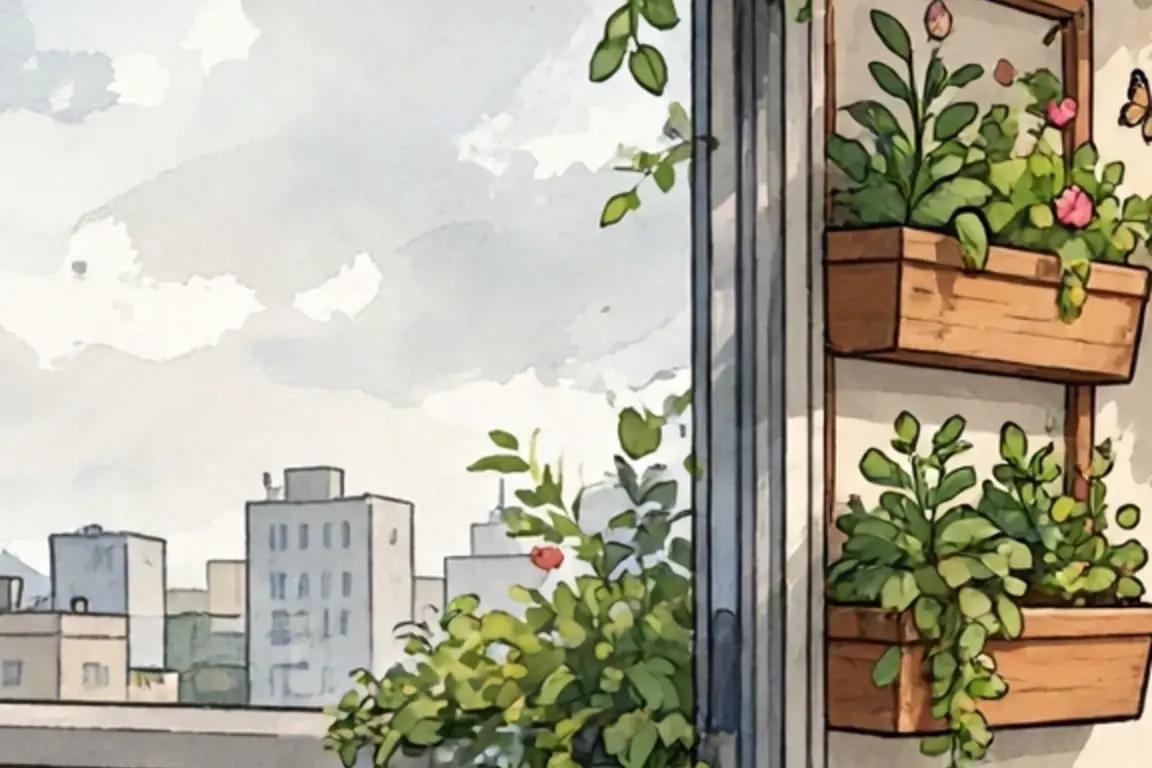
A balcony garden is not a random collection of pots bought in one excited afternoon. It is a small room without walls, and it works best when it is designed like one — with a purpose, a layout, and plants chosen for the light that actually reaches it. This guide is about design: how to plan a balcony so it looks good, stays usable, and does not turn into a crowded corner you avoid. If you are starting from zero, read our small balcony garden ideas and apartment gardening guide first — this article builds on them.
Quick answer
- Start with purpose: a sitting spot, kitchen herbs, flowers, or a mix — one main purpose keeps the design honest and stops random buying.
- Map the sun first: note how many hours of direct sun each corner gets. Sun decides what grows where, not the other way round.
- Design in three layers: floor pots, railing planters, and wall or hanging planters. Small balconies gain the most from the wall layer.
- Keep a clear path: leave at least 60 cm of walking space so the balcony stays usable instead of becoming a storage corner.
- Phase it: structure and soil first, plants second, decoration last. A good balcony grows in stages, not in one shopping trip.
Measure and map before you buy
Take a tape measure to the balcony before you buy a single pot. Note the length and width, the railing height, the parapet, where the water point is, and where water drains. Then watch the sun for a day: which corner gets morning sun, which gets harsh afternoon sun, and which stays shaded all day. In a typical Delhi flat, an east-facing balcony gets gentle morning sun and suits most plants, while a west-facing balcony gets fierce afternoon sun and needs tough, sun-loving plants and shade-tolerant ones in the corners. Write it down — a simple sketch on paper, with sun hours marked, saves more money than any shopping list. Our low-maintenance balcony guide shows how to keep the routine small once the design is set.
Three zones that make a small balcony feel bigger
Even a 3-by-8-foot balcony fits three zones if you plan them. The sitting zone: one chair and a small table, or a floor cushion and a low stool — somewhere to actually sit and enjoy the plants. The growing zone: your pots, grouped by water and sun needs so watering is quick. The utility zone: a small corner for the watering can, a bag of soil, and tools, kept tidy in a box or under a bench. The mistake most people make is letting the growing zone swallow the sitting zone. If you cannot sit in your balcony, the design has failed, however green it looks.
Design in layers, not in rows
Balconies look crowded when every pot sits on the floor in a row. Design in layers instead. Floor layer: one or two large pots with a shrub or a small tree — hibiscus, curry leaf, or a dwarf lemon — these anchor the design. Railing layer: railing planters with herbs, trailing money plant, or seasonal flowers like marigold. Wall layer: hanging planters, wall pockets, or a small trellis with a climber like aparajita. The wall layer is what makes a tiny balcony feel like a garden: it adds green at eye level without taking floor space. Our vertical gardening guide covers the methods in detail.
Choose plants by sun, not by looks
Buy for the light you have, not the plant you fell in love with at the nursery. Sunny balconies (5+ hours of direct sun): hibiscus, marigold, bougainvillea, and vegetables — see growing tomatoes in pots and ten vegetables for small balconies. Partly shaded balconies: money plant, ferns, peace lily, syngonium, and most herbs. Very shaded balconies: snake plant, ZZ plant, and shade-tolerant foliage — flowers will struggle here, so design with leaf colour and texture instead. Windy balconies: low, sturdy plants in heavy pots; tall, top-heavy plants blow over and break. Repeat two or three plant types rather than buying one of everything — repetition is what makes a design look intentional.
Pots, colour and furniture
One or two pot colours, repeated across the balcony, look designed; ten different colours look like a clearance sale. Terracotta gives a warm, classic look and breathes well, but it is heavy and dries fast; plastic is light and cheap, which matters on a balcony with weight limits; ceramic looks premium but is heavy and can crack in a fall. Our terracotta vs plastic vs ceramic comparison and how to choose the right plant pot cover the trade-offs. For furniture, keep it light and foldable — a folding chair and a small table can move aside on watering days. Avoid heavy stone or iron furniture on a balcony unless you know the load is fine.
Water and drainage without annoying the neighbours
Every pot needs a saucer or a drip tray — water dripping onto the flat below is the fastest way to lose balcony privileges. Water in the morning, so the plants use it through the day and the floor dries before evening. Group plants with similar water needs together, so one watering round covers a group instead of a dozen individual trips. For holidays, self-watering planters help for thirsty plants. Our water-saving guide covers mulching, timing, and reuse in detail.
Three layouts that work
1. The 3-by-8-foot herb-and-chair balcony: one chair at one end, a railing planter with mint, coriander and curry leaf, two floor pots with a flowering shrub and a tomato, and a wall pocket with trailing money plant. Everything within arm's reach. 2. The wide sunny balcony: a flower border along the railing (marigold, petunia in season), a vegetable corner with two grow bags, and a seating area with a small table under a shade-tolerant climber. 3. The shaded reading nook: foliage plants in matching pots, a comfortable chair, a small side table, and a hanging planter or two — designed for sitting in, not for harvesting. Pick the layout that matches your balcony's sun, then adapt it — do not copy a layout made for the opposite direction.
Mistakes that ruin a good design
Buying too many pots too fast. Start with five or six plants and learn their needs before adding more. Blocking the door. Pots in front of the balcony door get kicked, tripped over, and stop you using the space. Heavy soil in hanging planters. Use light mix with cocopeat for anything hanging — wet garden soil is heavy and the planter can fall. No drainage. A pot without a drainage hole rots roots; a pot without a saucer floods the floor below. Plants that outgrow the space. A tree bought as a sapling becomes a problem in two years — check the mature size before you plant it in a pot.
FAQs
How much does it cost to design a balcony garden? There is no single number — it depends on the size, the pots, and the plants. The honest way is to start small: a few pots, good soil, and five or six plants are enough to begin, and you add more as you learn what works. Professional design and setup costs are confirmed after a site visit, not guessed here.
Can I design a balcony garden in a rented flat? Yes — use portable pots and planters, and avoid drilling or fixing anything to the walls without the landlord's permission. Everything in this guide can be done with movable containers.
How do I keep the balcony from looking crowded? Repeat pot colours, use one tall plant as an anchor, group plants instead of scattering them, and leave some empty floor visible. Empty space is part of the design.
Will plants damage the balcony floor? They can, if water sits under pots. Use saucers, lift pots off the floor on small stands or feet so air circulates, and check the floor after monsoon for stains or damp patches.
Ready to plan yours? Start with small balcony garden ideas, then keep it easy with our low-maintenance balcony guide. For a balcony designed around your light and space, book an Expert Maali.
Is page ko Maali Uncle app mein kholo: app mein kholo