← Maali Uncle website par wapas
Complete Rooftop Garden Setup Guide: Permission, Structure, Waterproofing, Soil and Plants
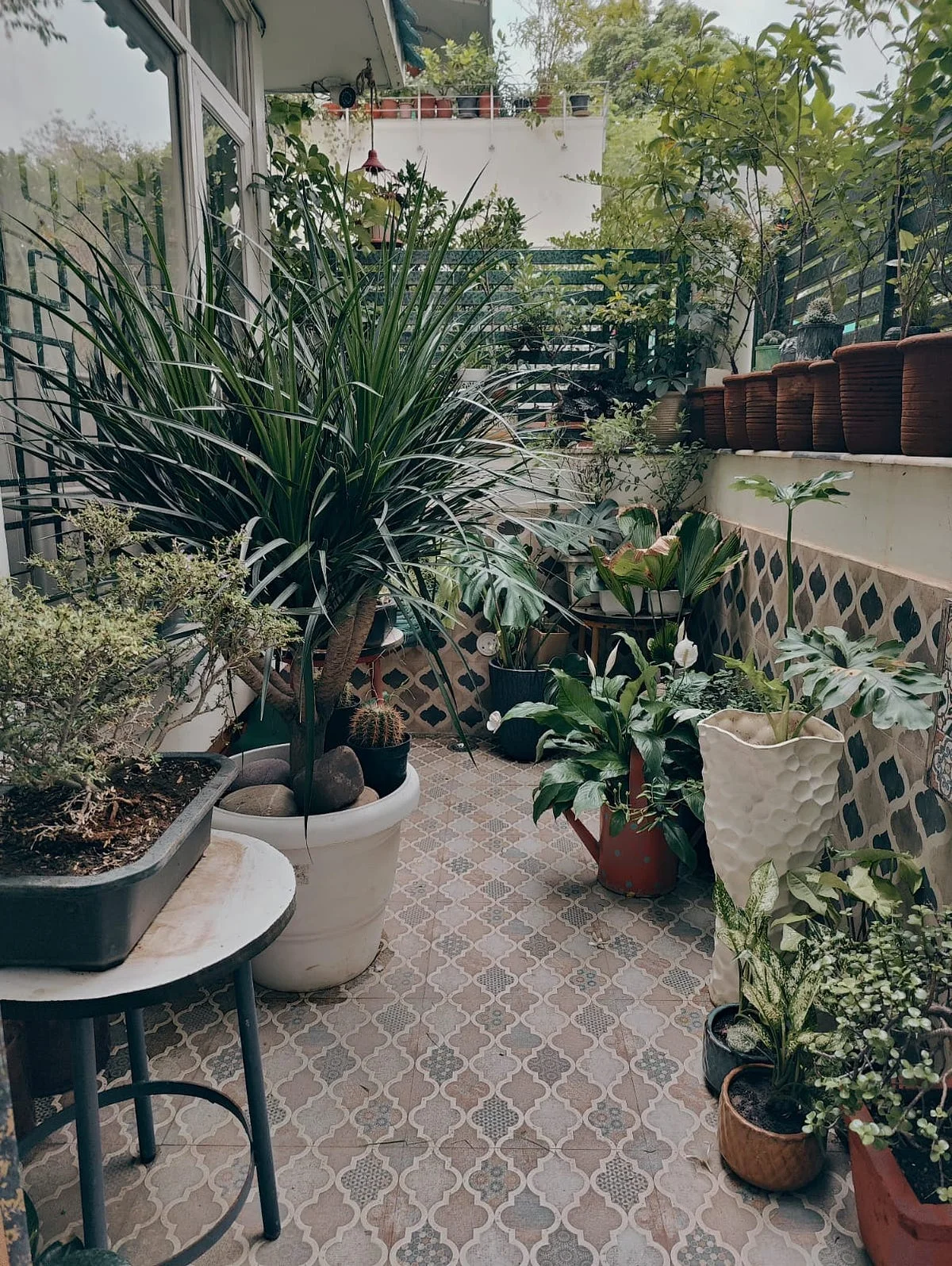
A rooftop is the biggest open space most Indian homes have — and the most demanding one to garden on. Up there, the sun is stronger, the wind is harder, the soil dries faster, and every kilogram of wet soil sits on a slab that was built to carry a roof, not a garden. A rooftop garden works beautifully when the basics are right, and fails expensively when they are skipped. This guide walks through the setup in order: permission, structure, waterproofing, layout, soil, plants, and water. If you are short on time, the one rule is this — get the building part checked before you buy a single plant. For the structural questions in depth, see our rooftop garden structural guide.
Quick answer
- Check permission and structure first: society or RWA approval, and a check that the slab can carry the load — ask the builder or a structural engineer if unsure. Never guess.
- Protect the roof: waterproofing and drainage come before any soil goes up. Water pooling on a slab causes damage that is expensive to fix.
- Use containers and raised beds: never spread soil directly on the slab. Keep the mix light — cocopeat, compost and perlite — to reduce weight.
- Plan water: a tap point, a hose or drip line, and a drainage route. Rooftop plants dry out fast in summer.
- Start small and expand: one bed and a few containers first, then grow the garden in phases over months, not in a single weekend.
Step 1: permission, structure and safety
Before anything else, check who owns the roof. In most apartments the terrace is a common area, so society or RWA permission is needed — get it in writing, with any conditions noted (timings, water use, load limits). Next, the structure: wet soil is heavy, and a rooftop garden adds a real load to the slab. As a rough guide, spread the load — never pile soil or heavy pots in one spot — and keep large trees out of shallow containers. For anything beyond a few containers, ask the builder or a structural engineer what the slab can carry; this is not a question to answer by guessing. Safety matters too: the parapet should be high enough, railings secure, and the space safe for children and elderly family members. Plan how soil, pots and plants will be carried up — a narrow staircase changes what you can realistically build.
Step 2: waterproofing and drainage
Check the existing waterproofing before you build. If the terrace already leaks or shows damp patches on the ceiling below, fix that first — a garden on top will make it worse, not better. Under every bed or large container, use a protective layer (a waterproof membrane or heavy-duty sheet) so soil and water never sit directly on the slab. Keep the terrace slope and drain outlets clear — water must run off, never pool. After the first monsoon, inspect for leaks before expanding the garden. A small leak caught early is a repair; a leak found a year later under a full garden is a rebuild. Our structural guide covers load and waterproofing in more detail.
Step 3: layout and zones
Sketch the terrace and divide it into zones. Growing zone: raised beds or container rows, placed where the sun is best and where you can reach every plant for watering and harvest. Seating zone: a shaded corner with a bench or chairs — a rooftop garden you never sit in gets neglected. Utility zone: a compost corner, water storage (a drum or tank), and tool storage. Paths: leave clear walking space between beds so you can carry a watering can without stepping on plants. Add shade where it helps: a pergola or green shade net over the seating area and over tender plants makes summer bearable, for people and plants alike.
Step 4: containers, beds and soil
Raised beds work well on rooftops because they keep soil contained, drain properly, and are easy to work in standing up. Build them from wood, brick, or metal, with a waterproof layer underneath and drainage holes or gaps. Large containers and grow bags suit vegetables and herbs — they are lighter, movable, and easy to replace. For soil, use a light mix: garden soil mixed with cocopeat, compost and perlite or coarse sand, so it holds moisture without becoming heavy. Heavy, clayey soil is the enemy on a roof — it weighs more, drains badly, and compacts. Our potting mix guide gives three DIY recipes you can scale up for beds.
Step 5: what grows well on a rooftop
Rooftops suit sun-loving plants. Vegetables: tomato, chilli, brinjal, okra, and leafy greens — see growing tomatoes in pots and ten vegetables for small balconies, which apply to rooftop containers too. Herbs: mint, coriander, curry leaf, tulsi. Flowers: marigold, hibiscus, bougainvillea — all tough in full sun. Fruit: lemon and guava in large containers, in dwarf or pruned form. Wind: rooftops are windy, so stake tall plants, choose sturdy varieties, and avoid tall trees in shallow containers — a top-heavy tree in a small pot is a hazard in a storm. For a full food-growing plan, see the complete kitchen gardening guide.
Step 6: water, the daily reality
Rooftop containers dry out much faster than ground beds — in Delhi summer, shallow containers may need water twice a day. Mulch the surface with cocopeat, dry leaves, or straw to slow evaporation. A drip irrigation line on a timer is the most practical answer for a rooftop of any size, and it uses less water than a hose. Keep a drum or tank on the roof so water is always at hand. Our water-saving guide covers mulching, timing, and rainwater use in detail.
Through the year
Summer: shade nets, extra watering, and mulching — this is the hardest season on a roof. Monsoon: check drainage after every heavy rain, stake plants against wind, and watch for fungal problems in the humidity. Winter: the best growing season for vegetables in North India — most leafy greens, root vegetables and herbs thrive. Plan your biggest planting for October to February, and use summer for hardy flowers and perennials.
Cost, honestly
There is no fixed price for a rooftop garden — it depends on the area, the number of beds, the soil, and the plants. The honest way to start is one raised bed and a few containers, learning what grows well on your roof before spending more. Beds, soil, and plants add up, and a professional setup with waterproofing, beds, and irrigation is a bigger project. Any professional cost is confirmed after a site visit, not guessed here. For the wider picture of planning a landscape properly, see our complete guide to landscaping in India.
FAQs
Is a rooftop garden safe for the building? It can be, when the load is checked, the waterproofing is sound, and drainage is maintained. Without those checks, it is a risk — get professional advice for anything beyond a few containers.
Can I grow vegetables on a rooftop? Yes — rooftop vegetable gardens are one of the most common successes, because rooftops get the full sun vegetables need. Start with tomato, chilli, and leafy greens.
How much weight can a roof take? It varies by building, age, and construction — there is no standard number. Never guess: ask the builder or a structural engineer.
Do I need society permission? Usually yes, where the terrace is a common area. Check your society's rules before you start, and get permission in writing.
Starting your rooftop? Read what your building can and cannot carry first, then plan the food growing with our kitchen gardening guide. For a rooftop planned around your building, book an Expert Maali.
Is page ko Maali Uncle app mein kholo: app mein kholo