← Maali Uncle website par wapas
Monstera Growing Guide: Big Split Leaves in an Indian Home, the Honest Way
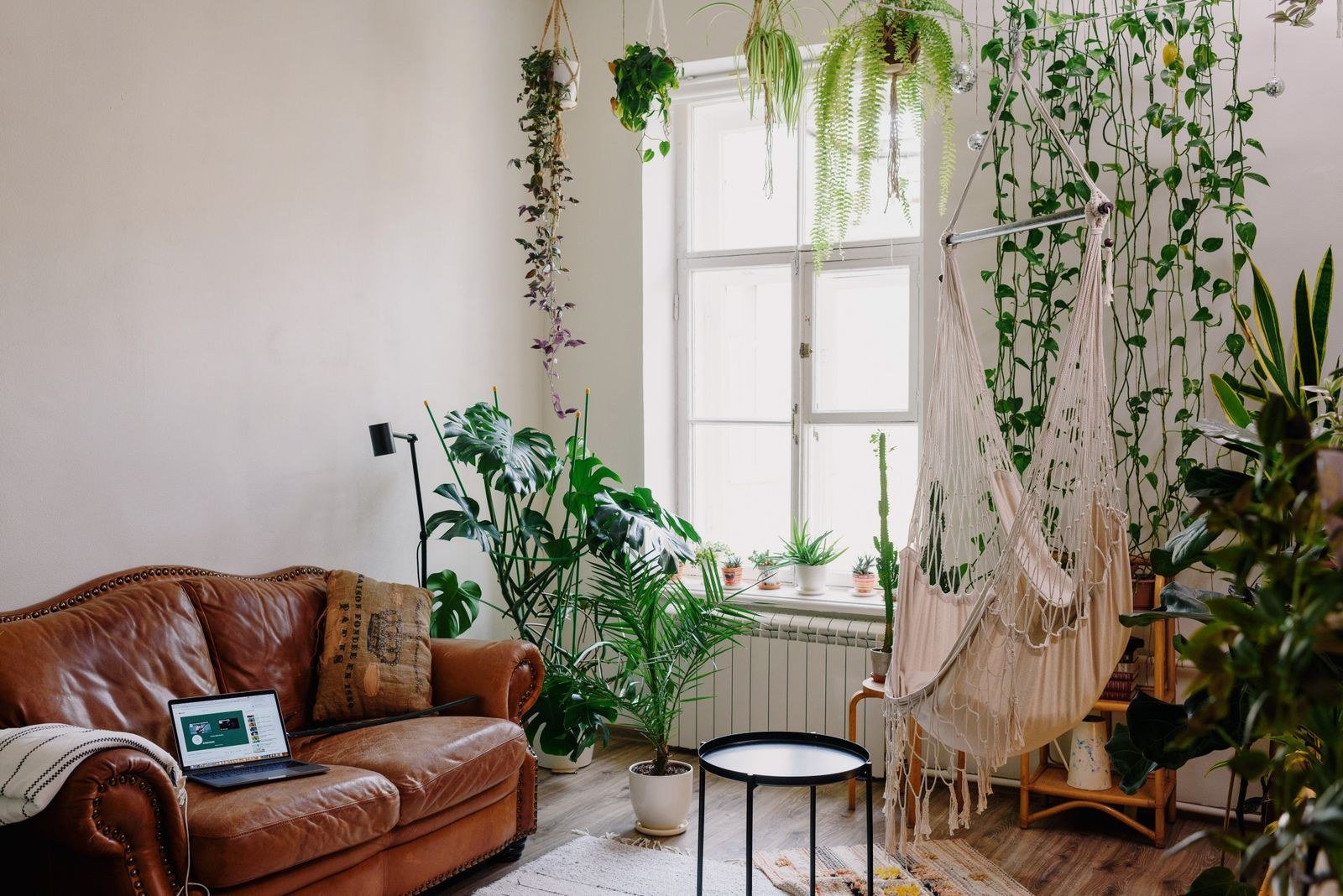
Monstera deliciosa — the Swiss cheese plant — is the most photographed houseplant in India, and one of the most misunderstood. People buy it for the big, split leaves they saw online, then keep it in a dark corner and wonder why it grows small, solid leaves on a floppy stem. The truth is simple: monstera is a climbing plant from the rainforests of Central America, and it grows the famous leaves only when it gets the light, the support and the space to climb. Give it those three things and it is one of the most rewarding indoor plants you can own.
Light: bright, but never harsh sun
Monstera wants bright, indirect light — near a bright window, or a few feet back from a sunny one. A couple of hours of gentle morning sun is fine; harsh afternoon sun through a west-facing window scorches the leaves with brown, papery patches. Too little light is the most common mistake: in a dim room the plant stretches towards the window, grows long bare stems, and every new leaf comes out smaller and without splits. If your room has no bright window, monstera is the wrong plant for it — our low-light plants guide lists plants that genuinely cope with less light. The honest rule: if you can comfortably read a book by daylight in the spot, a monstera can probably grow there; if you need a lamp at noon, it cannot.
Why the leaves split — and when they do not
Young monstera leaves are solid hearts. As the plant matures in good light, new leaves emerge with slits and then holes — the fenestrations. This is not a different variety and it is not something you can force with fertiliser. Three things drive it: age (a young plant simply has not earned splits yet), light (bright indirect light is the main trigger), and support (a plant climbing upwards produces bigger, more fenestrated leaves than one trailing sideways). If your monstera is a year old, in good light, and still making solid leaves, check the support before anything else. A plant that is allowed to climb almost always rewards you faster than one left to sprawl.
Support: give it something to climb
In the wild, monstera climbs trees using aerial roots. Indoors, give it a moss pole, a coir pole or a sturdy bamboo stake, fixed at repotting time so you do not damage roots later. Tie the main stem loosely to the pole with soft string, and mist the pole occasionally — the aerial roots will grip it and the plant will start climbing. Without support, the stem sprawls across the floor, the leaves stay small, and the plant looks messy within a year. A climbing monstera also needs a heavier pot than you expect: a tall plant on a pole is top-heavy, so use a wide, stable pot and, if needed, a layer of pebbles at the bottom for weight.
Water and soil
Monstera likes its mix moist but never soggy. Water when the top 2–3 cm of soil feels dry — usually once a week in summer, less in winter — and always let the excess drain out of the pot. It hates sitting in water: wet feet are the fastest route to root rot, covered in our root rot guide. Use a chunky, free-draining mix — ordinary potting mix with added cocopeat, perlite or orchid bark — because the thick roots need air as much as water. Feed lightly with mature compost or a balanced liquid feed every month or so in the growing season; overfeeding grows soft, weak leaves. See our compost, vermicompost and manure guide for what to feed it with.
Propagation: one node, one cutting
Monstera propagates easily from a stem cutting — but only if the cutting has a node, the knobbly joint on the stem where a leaf and an aerial root emerge. Cut just below a node with a clean blade, and put the cutting in water or moist cocopeat. Roots usually appear within a few weeks in warm weather; a cutting without a node will never grow into a plant, however long you wait in water. Once roots are a few centimetres long, pot it up in the same chunky mix. The best time to propagate is spring or early summer, when the plant is actively growing. Aerial roots that wander into the air can simply be guided back into the pot or towards the pole — do not cut them off unless they are truly in the way.
Common problems
Yellow leaves: usually overwatering or a pot with no drainage — check the soil before anything else, and see our yellow leaves guide. Brown leaf tips and edges: dry air, inconsistent watering, or salts building up in the mix; water thoroughly so it drains out, and wipe leaves occasionally. Small, solid leaves: not enough light, or no support — move it brighter and give it a pole. Leggy, bare stems: the plant is reaching for light; move it closer to the window and prune the bare stem back in spring to encourage branching. Pests: mealybugs and scale hide in leaf joints; our mealybugs and aphids guide covers identification and safe control.
FAQs
Is monstera safe around pets and children? Monstera leaves are mildly toxic if chewed — they contain calcium oxalate crystals that irritate the mouth. Keep it out of reach of curious pets and small children, and wash hands after handling cuttings. How big does it get indoors? With good light and support, a monstera can reach the ceiling within a few years — prune the top in spring if it outgrows the room, and use the cutting to start a second plant. Can it grow outdoors in India? In a shaded, humid spot — a sheltered balcony or a garden corner without harsh sun — yes, and it grows fast. In full sun or a dry, windy terrace it will scorch. Why are the new leaves smaller than the old ones? Almost always light: each new leaf reflects the light the plant is getting now. Move it brighter, and the next leaves usually come back bigger. Do I need to mist it? Not essential. Wiping the leaves with a damp cloth now and then keeps them dust-free and helps them breathe — that matters more than daily misting.
Want a monstera set up properly — the right spot, the right pole, the right pot? Book an Expert Maali — we match the plant to your light and space, so the leaves split instead of staying small.
Is page ko Maali Uncle app mein kholo: app mein kholo