← Maali Uncle website par wapas
Mint and Lemon Balm Growing Guide: Two Fragrant Herbs, Two Very Different Habits
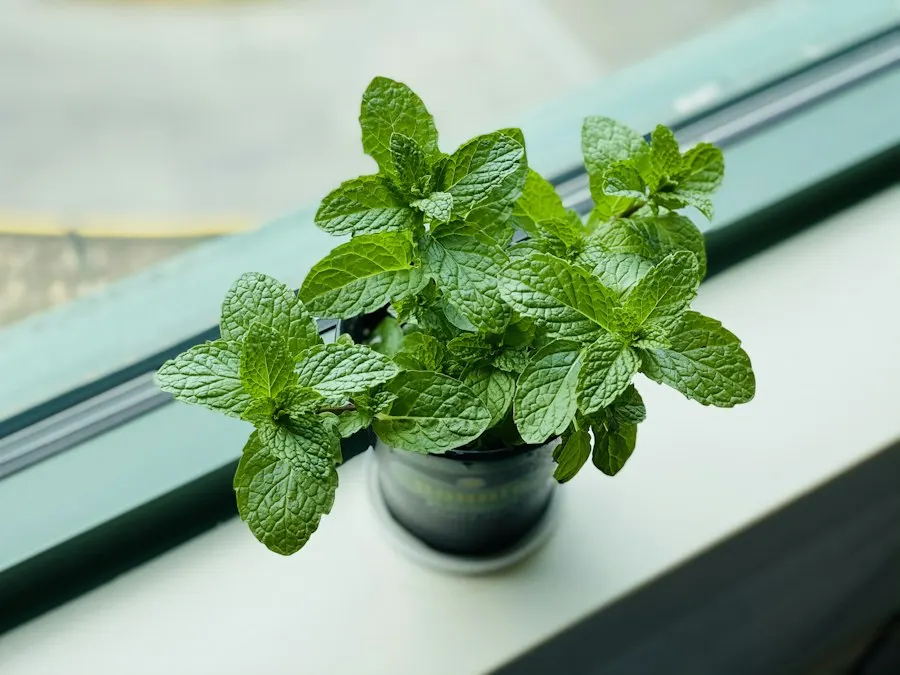
Mint and lemon balm look like cousins — and they are. Both belong to the mint family, both smell wonderful when you brush past them, and both make a fresh, fragrant cup of tea. But they behave very differently in a pot, and treating them the same is how most people end up with one dead plant and one that has eaten the whole balcony. This guide covers both: how to grow them, how to keep them under control, and how to harvest and use the leaves.
The short version: mint (pudina, Mentha) is the toughest, fastest herb you can grow — and it must always have a pot to itself. Lemon balm (Melissa officinalis) is gentler, slower and happier in partial shade, and it is the better choice for a balcony that gets little direct sun. Both are in our ten Indian culinary herbs guide, and both belong in a herbal tea garden — in separate pots.
Mint (pudina): the herb that takes over
Mint is the easiest herb a beginner can grow, and the easiest to regret planting in the wrong place. It spreads by underground runners, and a single plant in a shared bed or a large planter will quietly colonise the whole container within a season, crowding out everything else. The fix is simple and non-negotiable: mint always gets its own pot. Never plant it in a shared bed, a mixed herb planter, or in the ground near other herbs.
Give mint an 8–10 inch pot with drainage holes and a rich, moisture-holding mix — garden soil, compost and a little cocopeat works well. It likes 2–3 hours of direct sun, and tolerates partial shade better than most herbs, which is why it survives on balconies that get only morning light. Water it regularly: mint likes evenly moist soil and sulks when it dries out, especially in summer when a pot may need water every day. Feed it lightly — a handful of mature compost every month or so in the growing season is plenty. Our complete kitchen gardening guide covers the soil and watering basics for the whole herb corner.
Harvest by snipping the top few inches of a stem just above a leaf pair, and the plant branches out and grows bushier. Take no more than a third of the plant at a time. In the coldest weeks of a North Indian winter mint goes quiet and may look thin; cut it back and it returns with warmth in spring. If it gets leggy, cut the whole plant back hard and it will regrow from the base.
Lemon balm: the shade-tolerant cousin
Lemon balm smells of lemon and mint together, and its leaves make a light, citrusy tea. It is a perennial like mint, but gentler in every way: it spreads, but slowly, and it is easy to keep in bounds with regular trimming. Its big advantage is shade. Lemon balm grows happily in partial shade — 2–3 hours of gentle morning sun is enough — which makes it one of the few tea herbs for a north-facing or shaded balcony where tulsi and rosemary would struggle.
Give lemon balm its own 8–10 inch pot too — not because it will take over, but because it wants different watering from its neighbours: steady moisture, not wet feet, and shade that keeps the soil from drying out. A light, free-draining mix with compost suits it. Water when the top layer feels dry, and trim it back whenever it gets tall and woody — regular cutting keeps the leaves soft and fragrant, and the trimmings are exactly what goes into the teapot. In a hot Delhi summer, afternoon shade is a kindness; in winter, it slows down and rests, then returns in spring.
Pots, soil and placement
One pot per herb, always — mint because it spreads, lemon balm because it wants its own water and light. Use pots with drainage holes, 8–10 inches across, and a light potting mix of soil, compost and cocopeat. Place mint where it gets morning sun and some afternoon shade; place lemon balm in the shadier corner. Both do well on a balcony shelf or a sunny windowsill, and both are happy in the same herb corner as tulsi and lemongrass — as long as each has its own pot. If you are setting up the corner from scratch, our balcony garden guide helps with light and layout.
Harvesting and using the leaves
Harvest in the morning, after the dew has dried — that is when the leaves hold the most fragrance. Snip the top few inches, never more than a third of the plant, and use the leaves fresh for the brightest flavour: a small handful in a cup, hot water poured over, covered for 3–5 minutes, then strained. To dry them, spread the leaves thinly in shade with good air flow, away from direct sun, and store fully dry leaves in an airtight jar away from light. Wash leaves before use, and discard any that show mould.
Mint is used fresh in chutney, raita, chaas and drinks, and dried for tea. Lemon balm is mainly a tea herb, traditionally enjoyed for its gentle lemon flavour and calming aroma — and that is the honest claim. Neither herb is a medicine, and no cup of home-grown tea treats or prevents illness. If you are pregnant, breastfeeding or taking regular medication, check with your doctor before drinking herbal teas every day.
Mistakes to avoid
Planting mint with other herbs. It will win, and the other herb will lose. Always its own pot.
Letting mint dry out in summer. A thirsty mint wilts fast and drops leaves. Check the soil daily in May and June.
Growing lemon balm in harsh afternoon sun. It scorches and goes woody. Morning sun or bright shade is what it wants.
Harvesting too much at once. Stripping a young plant leaves it with nothing to grow back from. Take a third, wait, take again.
FAQs
Can I grow mint and lemon balm in the same pot? No — mint spreads by runners and will crowd lemon balm out within a season. Separate pots, side by side, is the right arrangement.
Which is easier for a beginner? Mint, by a long way — it grows fast and forgives mistakes. Lemon balm is nearly as easy, and the better pick for a shady balcony.
Can I grow them indoors? Yes, if the spot gets a few hours of direct sun or very bright light — a south or west-facing window. Without enough light they grow leggy and less fragrant.
How long before I can harvest? A nursery plant can be lightly harvested within 4–6 weeks. From seed, allow a couple of months — most people start with a nursery plant or a cutting from a friend.
Want a herb corner set up for your balcony's actual sun and shade? Book an Expert Maali — we match each herb to its spot, so you harvest instead of replant.
Is page ko Maali Uncle app mein kholo: app mein kholo