← Maali Uncle website par wapas
How to Create a Herbal Tea Garden: Tulsi, Mint, Lemongrass and Chamomile in a Few Pots
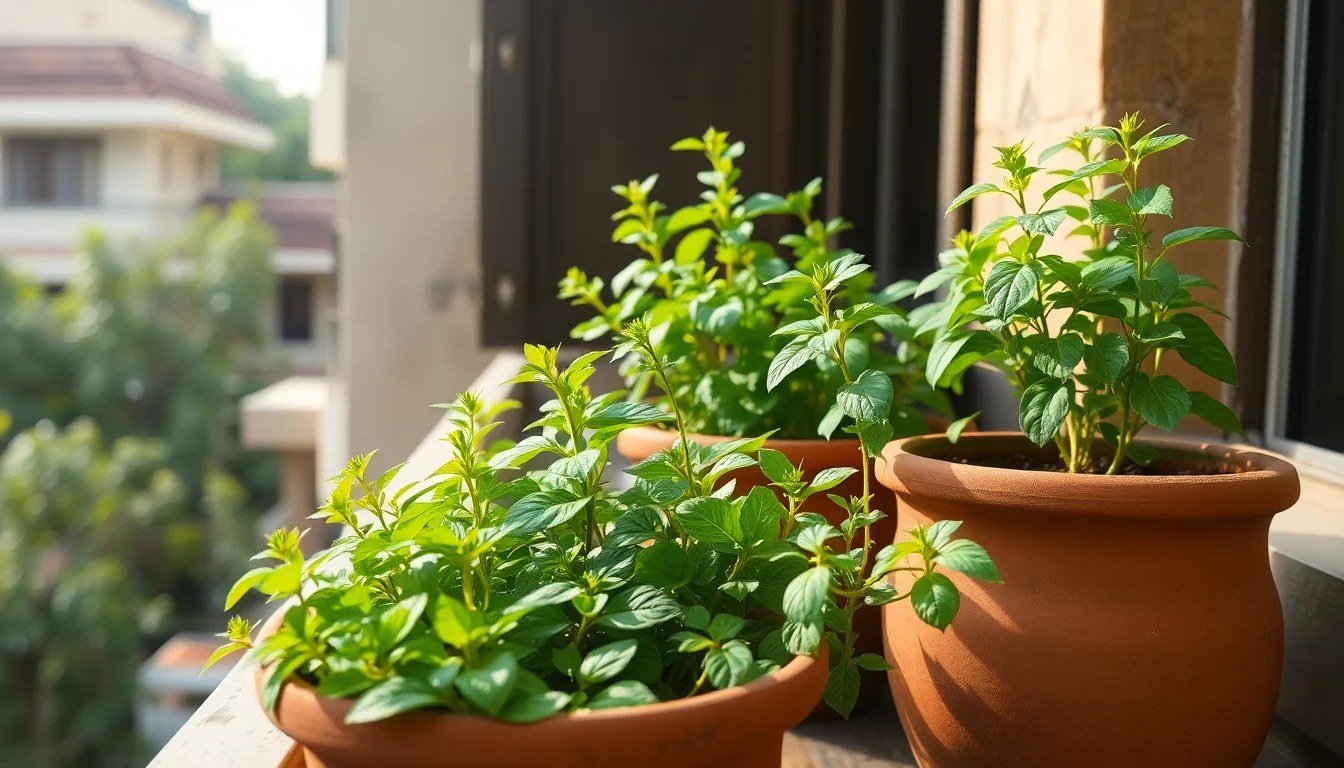
A herbal tea garden is one of the smallest gardens that still feels like a real harvest. Four or five pots on a sunny sill or a balcony corner, and a handful of fresh leaves is always within reach of the kettle. It is also one of the easiest kitchen gardens to start: the herbs that make the best teas are mostly tough, forgiving plants that grow happily in Indian homes.
This guide covers which herbs to grow, how to plant them, and how to harvest and dry the leaves — plus the honest limits of what a cup of home-grown tea can and cannot do.
The five herbs to start with
Tulsi (holy basil, Ocimum sanctum). The classic Indian tea herb, traditionally enjoyed for its aroma and warmth. Needs full sun — 4 to 6 hours — and an 8–10 inch pot. Pinch the top regularly to keep it bushy, and remove flower spikes if you want leafy growth. Our tulsi plant profile covers it in detail.
Pudina (mint, Mentha). The freshest tea herb there is, and the most vigorous. Give it its own pot — always. Mint spreads by runners and will take over any pot it shares. It likes moist soil, and 2–3 hours of sun is enough, which makes it one of the few tea herbs for a partly shaded balcony.
Lemongrass (Cymbopogon citratus). Tall, grassy leaves with a lemon scent; a few inches of fresh leaf make a fragrant cup. Needs a large pot (12 inches or more), full sun, and regular water. Cut the outer leaves and the plant keeps producing.
Chamomile (Matricaria chamomilla). A cool-season annual with small daisy-like flowers — the flowers, not the leaves, are used for tea. Sow in the cool months (October to February in North India) in a shallow, wide pot, in full sun. Harvest the flowers when they are fully open and dry them in shade.
Rosemary (Salvia rosmarinus). A woody, fragrant herb for a stronger, savoury cup. Needs a terracotta pot, sharp drainage, full sun and very little water — overwatering is its biggest enemy. Best grown from a nursery plant or a cutting, not seed.
Other good additions once the core five are settled: ajwain plant (Indian borage), lemon balm, and coriander leaves. Our ten Indian culinary herbs guide covers most of these in more detail.
Layout: one pot per herb
The one rule that saves a tea garden: one herb per pot. Mint will smother its neighbours, lemongrass shades everything behind it, and tulsi and rosemary want different amounts of water. Separate pots let each herb get what it needs, and let you move a pot into better light without disturbing the rest. Use 8–12 inch pots with drainage holes, a light potting mix (soil + cocopeat + compost), and a sunny spot that gets at least 4 hours of direct sun — except mint, which tolerates partial shade. For the full setup, see our complete kitchen gardening guide.
Harvesting and drying
Harvest in the morning, after the dew has dried — that is when the leaves hold the most fragrance. Take the top few inches of a stem, never more than a third of the plant at once, and the plant will branch and grow back bushier. Use leaves fresh for the brightest flavour, or dry them: spread them thinly in shade with good air flow, away from direct sun, and store fully dry leaves in an airtight jar away from light. Properly dried leaves keep their aroma for several months. Wash leaves before use, and discard any that show mould.
Brewing a cup
For fresh leaves, a small handful in a cup, hot water poured over, covered for 3–5 minutes, then strained. Dried leaves need less — about a teaspoon per cup. Tulsi and mint are good fresh; chamomile flowers are best dried. Mix herbs only after you know each one on its own — a mint-tulsi cup is a good first blend. Sweeten if you like; the herbs are about flavour and the small ritual of growing your own cup, not about treating anything.
The honest note
Herbal teas are enjoyed traditionally for their flavour and aroma, and that is the honest claim. They are not medicines, and no cup of home-grown tea treats or prevents illness. If you are pregnant, breastfeeding, or taking regular medication, check with your doctor before drinking herbal teas every day — some herbs are not suitable for everyone. Keep it simple: grow them, enjoy them, and leave health claims out of it.
Mistakes to avoid
Planting mint with anything else. It will win, and the other herb will lose. Always its own pot.
Watering rosemary like mint. Mint likes moisture; rosemary hates wet feet. Separate pots exist precisely so you can water them differently.
Harvesting too much at once. Stripping a young plant leaves it with nothing to grow back from. Take a third, wait, take again.
Drying in direct sun. Sun bleaches the colour and the fragrance. Shade and air flow dry leaves better.
FAQs
How much space does a tea garden need? Five pots fit on a sunny windowsill or a small balcony shelf. It is one of the smallest productive gardens there is.
Can I grow tea herbs indoors? Yes, if the spot gets 4 or more hours of direct sun — a south or west-facing window. Without enough light, the plants grow leggy and flavourless.
Which herb is easiest for a beginner? Mint, by a long way — it grows fast and forgives mistakes. Tulsi is next, as long as it gets enough sun.
How long before I can make my first cup? Mint and tulsi can be lightly harvested within 4–6 weeks of planting a nursery plant; lemongrass takes a little longer; chamomile needs a full cool season.
Ready to start your tea garden? Pick up tulsi, mint and lemongrass plants, plant one per pot, and book an Expert Maali if your balcony light or soil needs a second opinion.
Is page ko Maali Uncle app mein kholo: app mein kholo