← Maali Uncle website par wapas
Succulents vs Cactus: What Is the Difference, and Which One Suits Your Home?
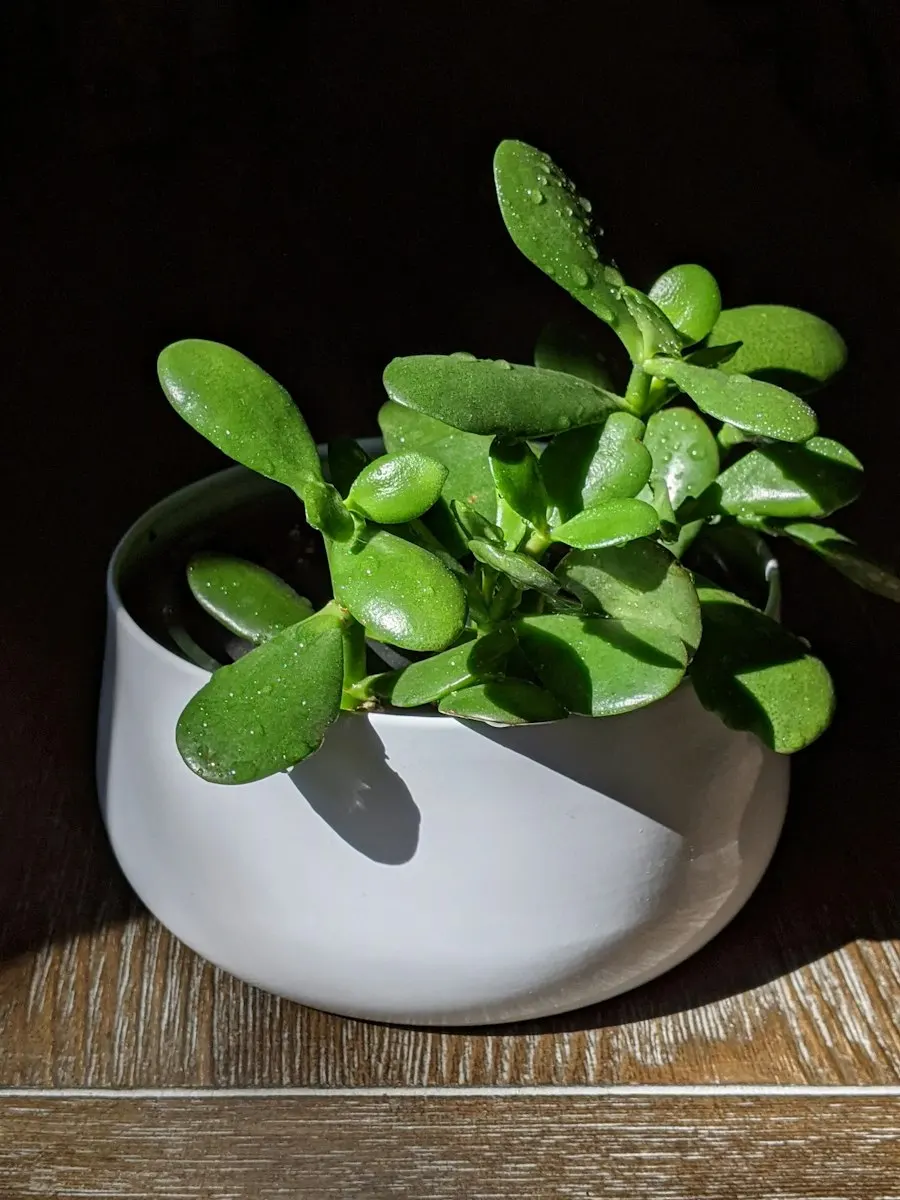
Walk into any nursery in Delhi and you will hear the two words used as if they mean the same thing: succulent, cactus. They do not. The honest relationship is simple — every cactus is a succulent, but only a small group of succulents are cacti. Knowing the difference matters because it decides how much water, light and handling your plant needs, and because the most common beginner mistake — watering a cactus like a leafy plant — kills it quietly over weeks.
What makes a plant a succulent
A succulent is any plant that stores water in its leaves, stems or roots to survive dry periods. That is the whole definition. Jade, aloe vera, snake plant, echeveria, haworthia and the humble sedum are all succulents, and they look nothing alike — fat leaves, fleshy stems, rosettes, upright swords. They come from dry places on every continent, and they evolved the same trick independently: store water when it rains, spend it slowly when it does not. Our jade plant care guide and snake plant care guide cover two of the easiest succulents for Indian homes in detail.
What makes a cactus a cactus
A cactus is a succulent from one specific family, Cactaceae, almost entirely native to the Americas. It has one feature no other succulent has: areoles — the small, cushion-like bumps from which spines, flowers and new branches grow. If a plant has areoles, it is a cactus; if it has thorns but no areoles, it is something else (a euphorbia, for example, which looks like a cactus but is not one). Most cacti have no true leaves at all — the green stem does the photosynthesis, and the spines are modified leaves that shade the plant and scare off animals. That is why a cactus can sit in full sun on a Delhi terrace in May and look perfectly happy, while a soft-leaved succulent in the same spot scorches.
The differences that matter in your home
| Thing | Succulents (general) | Cacti |
|---|---|---|
| Leaves | Usually thick, fleshy leaves that store water | Usually no leaves; the stem stores water |
| Spines | Mostly none; some have teeth or soft points | Spines grow from areoles — the defining mark |
| Sun | Bright light; many scorch in harsh afternoon sun | Usually love direct sun, including west-facing balconies |
| Water | Water when soil is fully dry; a little more forgiving | Even less water; overwatering rots them fast |
| Handling | Mostly safe to touch and repot by hand | Handle with thick gloves or folded newspaper |
| Growth speed | Moderate; many show new growth within weeks | Slow; a cactus may grow only a few centimetres a year |
Watering: the mistake that kills both
Both groups die the same way — too much water, too often, in a pot that does not drain. The rule for both is identical: water thoroughly, then wait until the soil is completely dry before watering again. In a Delhi summer that might mean once a week; in winter, once a month or even less. The difference is only in tolerance: a jade plant will forgive an extra watering or two, while a cactus may already be rotting at the base, and you will notice only when it turns soft and collapses. Always use a pot with a drainage hole and a very gritty mix — ordinary garden soil holds too much water for either. Our root rot guide explains how to spot the damage early and save the plant.
Which one should you buy first?
It depends on your light, not your taste. Choose a cactus if you have a sunny balcony or a west-facing window with several hours of direct sun, and you tend to forget watering — a cactus is the most forgiving plant you can own, as long as you do not overwater it. Choose a leafy succulent (jade, snake plant, haworthia, echeveria) if your light is bright but indirect — a bright living room, an east-facing balcony, a desk near a window. Snake plant is the safest first succulent of all: it tolerates low light, irregular watering and neglect, and it is covered in our snake plant guide. If your room is genuinely dark, buy neither — our low-light plants guide lists plants that actually cope. And a word on safety: keep spiny cacti away from walkways, curious children and pets — a fall onto a cactus is a trip to remove spines one by one.
Frequently asked questions
Is aloe vera a cactus? No — aloe vera is a succulent, not a cactus. It has thick leaves and no areoles, so it belongs to the wider succulent family.
Can I keep a cactus indoors? Yes, if it gets several hours of direct sun from a window. In a dim room it will stretch, turn pale and eventually rot. A sunny windowsill is non-negotiable for most cacti.
Do succulents need different soil? Both need the same thing: a fast-draining mix. Ordinary potting mix with added sand, perlite or small gravel works well. Never use dense garden soil alone in a pot.
How often should I water a cactus in winter? Very rarely — in a Delhi winter, a small indoor cactus may need water only once a month or even less. When in doubt, wait another week; a dry cactus waits patiently, a wet one rots.
My succulent's leaves are falling off — is it dead? Probably not. Fallen leaves usually mean overwatering or sudden light change. Let the soil dry fully, move it to stable bright light, and give it a few weeks — many succulents regrow from the stem.
Not sure whether your sunny balcony suits a cactus or a leafy succulent? Book an Expert Maali — we match the plant to your light, your pots and your watering habits, so the plant you buy is the plant that survives.
Is page ko Maali Uncle app mein kholo: app mein kholo