← Maali Uncle website par wapas
Importance of Green Spaces in Urban Life
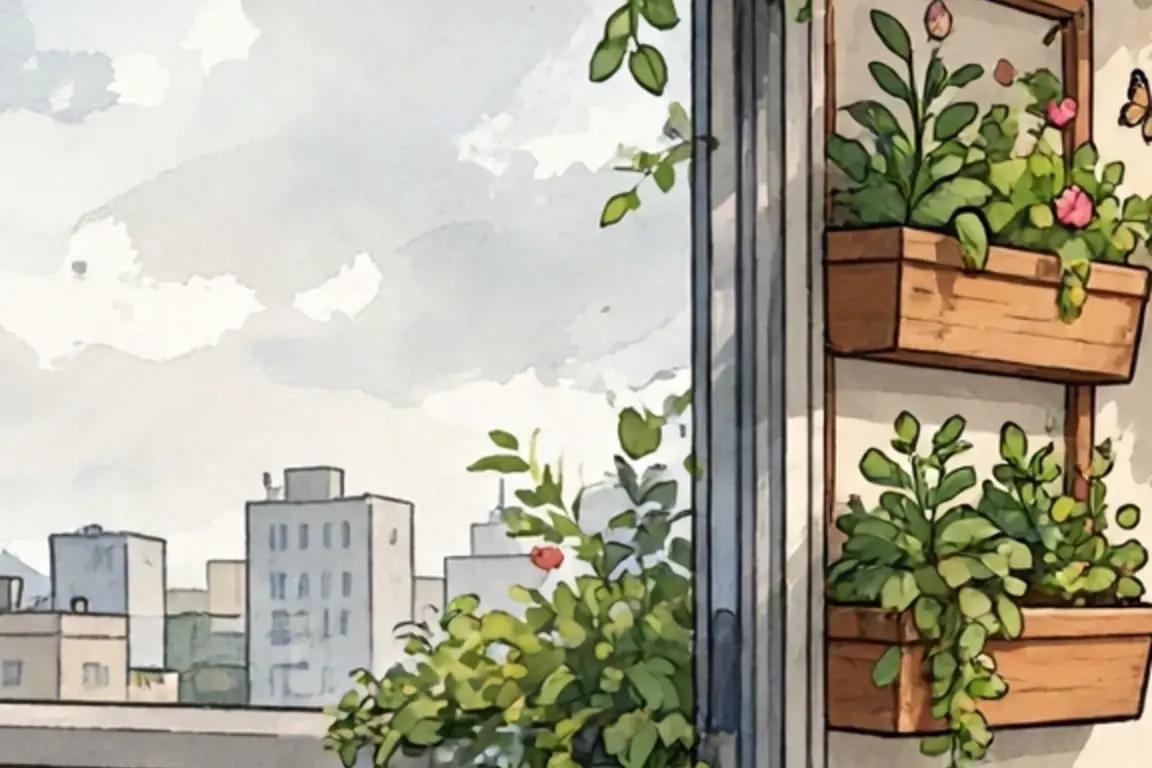
Walk through any Indian city and you can feel the difference between a street with trees and a street without them. One is cooler, quieter, easier to walk down. The other is all concrete, glare and dust. That difference is what green spaces do — and in cities like Delhi, where summers are long and hot and open land is scarce, they matter more than most of us realise.
Green spaces are not one thing. A park is a green space. So is a row of street trees, a society garden, a school playground with a hedge, a rooftop full of pots, and a balcony with ten plants on it. Together they form the green layer of a city — and this guide explains what that layer actually does, for the city and for the people in it, and how you can add to it even from a single balcony.
What green spaces do for a city
They cool it down. Shade is the simplest cooling a city has. A tree-shaded footpath feels noticeably cooler than bare pavement in May, and a green terrace absorbs less heat than a bare concrete one. No single plant will change a city's temperature, but streets and neighbourhoods with more planting stay more bearable through the hot months than those without.
They slow water down. In the monsoon, soil and plants absorb rain that would otherwise run straight off concrete into drains and streets. A planted bed, a lawn or a tree pit holds water for a while and lets it soak in. That is one reason waterlogging is often worse in fully paved areas — there is nowhere for the rain to go. Our rainwater harvesting guide explains how a home garden can catch and use that rain instead of letting it run away.
They give birds and pollinators somewhere to live. A city with only concrete has very little for bees, butterflies and birds. Flowering plants on balconies, native trees on streets and a patch of wild corner in a park give them food and shelter. You do not need a forest — even a few flowering plants on a balcony bring in sunbirds and butterflies. Our landscaping guide covers choosing climate-fit native plants at a larger scale.
They clean the air a little. Leaves trap dust on their surfaces, and plants take in some gases as they grow. The effect of one balcony is small, and no plant can fix Delhi's winter air on its own — but a greener street does carry less dust than a bare one, and every tree pit that is planted instead of paved helps a little.
What green spaces do for people
They give people somewhere to go. A park is where morning walkers meet, children play, and older residents sit in the shade. In dense neighbourhoods, a small society garden or a green courtyard is often the only outdoor space people have. Cities feel friendlier when they have places to simply be outside.
They make walking possible. A shaded footpath with trees is a path people actually use. In summer, people choose the shaded side of the road without thinking about it. Street trees are, quietly, walking infrastructure — they decide whether a ten-minute walk is pleasant or punishing.
They calm the mind. Most people feel better after time around greenery — a walk in a park, an hour of gardening, even sitting on a planted balcony with a cup of tea. This is not a medical claim; it is an everyday observation that shows up again and again. A green corner at home is a small, reliable way to get some of that feeling every day.
They teach children about nature. A child who has watched a seed become a plant, or a butterfly visit a balcony flower, understands nature in a way no textbook gives. If you have children at home, our guide to teaching gardening to children has practical ways to start.
Your home is a green space too
You do not need a park to contribute. A balcony garden, a few pots by the door, a green wall on a sunny wall — each one is a small piece of the city's green layer. A balcony with plants cools the wall behind it, gives pollinators a stop on their route, and gives you a green view instead of a concrete one. Our balcony garden guide and vertical green walls guide show how to start, even in a small space.
If you live in a housing society, the shared spaces matter even more. A planted entrance, a green wall, a few native trees in the common area — these are decisions a residents' group can take together, and they change how the whole society feels. Talk to your RWA about keeping tree pits planted, protecting existing trees during repair work, and choosing native, low-water plants for common areas. Our water-efficient landscaping guide shows how to keep shared greenery alive without wasting water.
Start where you are
Green spaces in a city are built one decision at a time: one tree pit planted, one balcony greened, one society garden kept alive through summer. You do not need land, money or expertise to begin — a single pot of tulsi or mint on a sunny sill is a start, and a balcony full of plants is a real contribution to your street. The city gets greener when enough homes do a little, not when one home does everything.
If you want help planning greenery for your balcony, terrace or society, book an Expert Maali — we plan planting around your light, water and maintenance routine, not around a catalogue. And if you are planning something bigger, our Landscaping Division works on gardens, societies and institutions across Delhi NCR.
Frequently asked questions
Do plants really cool a home? Shade and evaporation from plants cool the surfaces around them noticeably — a green balcony wall stays cooler than a bare one in summer. It will not replace a fan or cooler, but it takes the edge off the heat.
Can one balcony make any difference? On its own, a small one — but pollinators, birds and neighbours notice it, and a street where many balconies are planted feels and looks different from one where none are. Small contributions add up across a neighbourhood.
What if I have no outdoor space at all? Even a sunny windowsill with two or three pots counts. Indoor plants will not change the street, but they change your home — and that is where you spend most of your time.
Is page ko Maali Uncle app mein kholo: app mein kholo