← Maali Uncle website par wapas
How to Choose a Landscaper in India: Questions to Ask Before You Hire
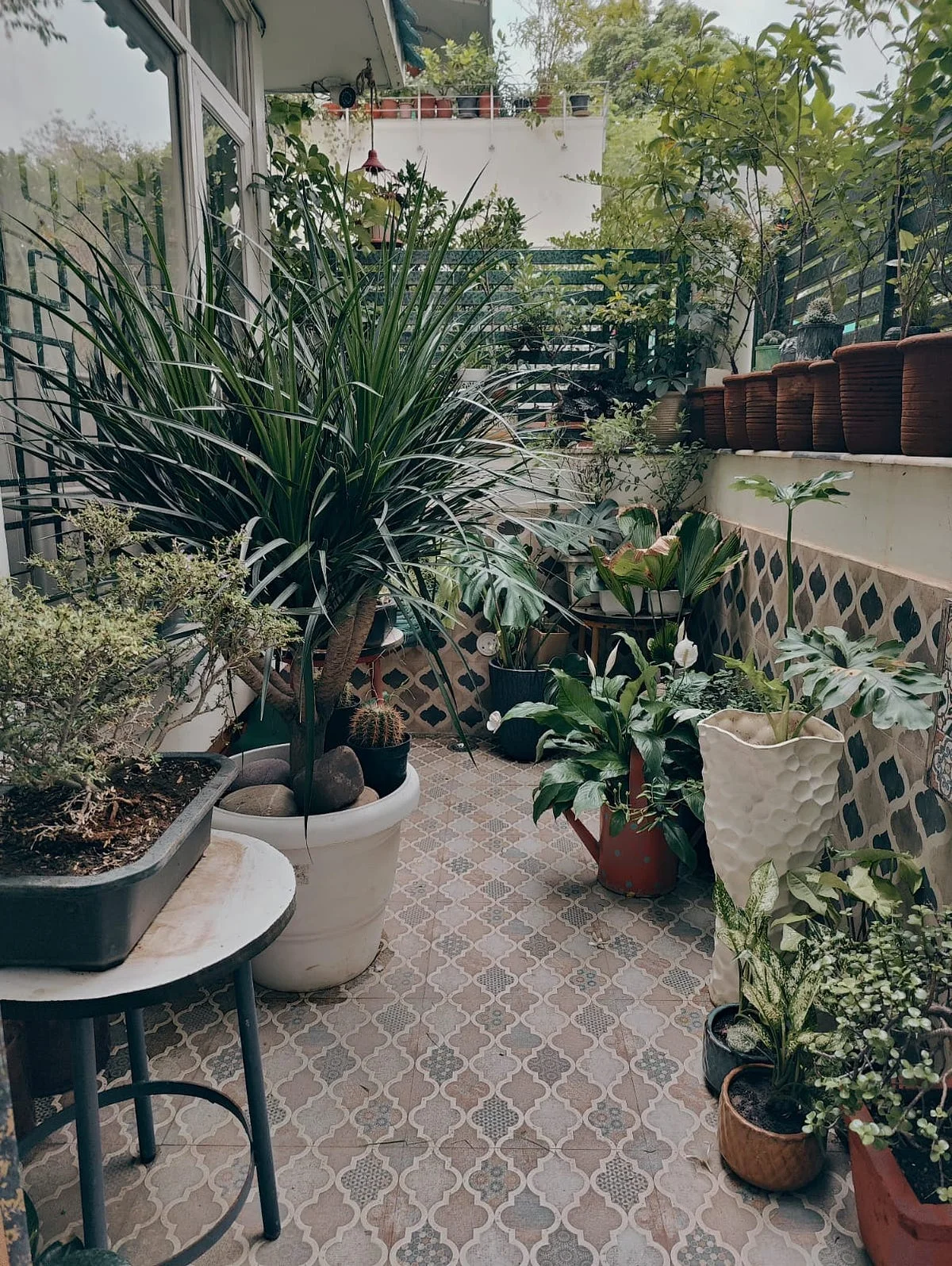
Landscaping is not like buying a product. You cannot return a badly built garden. The plants, the soil, the drainage and the layout will live with you for years — so the person you hire matters more than the quote they give. A good landscaper asks questions about your site, your water and your routine before talking about plants. A poor one sells you a design on the first visit and disappears after the cheque clears.
This guide goes deeper than the five questions in our Complete Guide to Landscaping in India. It covers what to check, what to ask, how quotes and contracts should work, and the red flags that mean you should walk away — written for homes, societies and offices in Delhi NCR, and useful anywhere in India.
Do you need a landscaper, or a maali?
Not every garden job needs a landscaper. A trained maali is right for regular care — watering, pruning, feeding and pest checks on a garden that already exists. Our garden maintenance guide explains what a proper maintenance visit should cover.
You need a landscaper when something is being built or changed: a new garden from bare ground, a terrace conversion, a society landscape, a lawn and planting plan, drainage and levelling work, or a full redesign. Landscaping is design plus construction plus planting; maintenance is keeping what exists in good shape. Some firms do both — if yours does, ask who handles each part, because the skills are different.
Before the first meeting: check the basics
Have they done work like yours? A firm that builds farmhouse gardens may not be right for a 100 sq ft balcony, and a balcony specialist may not be right for a society landscape. Ask for photos or a visit to a finished garden of a similar size and type — with the client's permission. Photos of their own work matter more than a brochure of stock images.
Do they know your city's conditions? Delhi NCR means extreme summer heat, a short but intense monsoon, alkaline soil in many areas, and hard water. A landscaper who plans for these — native and climate-fit plants, proper drainage, drip irrigation — will build a garden that survives its first summer. One who does not will build a garden that looks good for a month and dies in May. Our water-efficient landscaping guide explains the planning choices that decide this.
Are they a real business? A proper firm has a name, a phone number that answers, and someone accountable if things go wrong. That does not mean a large company — many good landscapers are small teams — but you should know who you are dealing with and how to reach them after handover.
The site visit: the single most important step
Never hire a landscaper who quotes without visiting your site. A site visit is where the real work happens: measuring the space, checking sunlight through the day, looking at the soil, finding where water collects, checking access for bringing in soil and plants, and understanding how you will actually use the space.
At the visit, a good landscaper will ask you questions: who uses the garden, how much time you can give it, whether you want vegetables or flowers, whether there are children or pets, and what your water supply is like. If they do all the talking and ask nothing, they are selling a template, not designing your garden.
Ask them to explain, in plain words, what they would do about soil (see our soil preparation guide), drainage (especially for terraces — see rooftop garden considerations), and watering. If they cannot explain these three, the design does not matter — the garden will fail underground first.
Reading a quote: what should be in it
Ask for an itemised written quote, not a single round number. It should separate design, civil work (levelling, paths, edging), soil and compost, plants (with names and sizes, not just "plants"), irrigation, and labour. Plant names matter: "10 flowering plants" can mean anything, while "10 hibiscus, 3 ft, in 12-inch pots" is a real commitment.
What is included, and what is not? Pots, soil, transport, labour, watering for the first weeks, replacement of plants that fail early — each of these is either in the quote or it is not. The most common disputes in landscaping come from things one side assumed were included and the other did not. Get it in writing.
Compare like with like. A quote far below the others usually means smaller plants, less soil, no drainage work, or no aftercare. Ask what was left out. And remember that landscaping has no fixed price list — costs vary with site access, soil condition, plant sizes and city, so a quote that looks precise to the rupee is a guess dressed up as certainty.
Payment schedule. A normal pattern is a part payment to start, stage payments as work completes, and a final payment only after handover and a joint inspection. Be cautious of anyone who asks for the full amount upfront — there is no reason for it, and it removes your only leverage if the work is poor.
The contract: get it in writing
For anything beyond a small balcony job, get a simple written agreement — it does not need to be a lawyer's document, but it should record: the scope of work, the plant list with sizes, the timeline, the total cost and payment stages, who supplies what, what happens if a plant dies soon after planting, and who maintains the garden after handover and for how long.
Plant warranty. Ask directly: if a plant dies within the first few weeks, who replaces it, and at whose cost? Plants sometimes die even with good care, and an honest landscaper says so and offers a fair replacement policy. Nobody can promise that no plant will ever die — anyone who does is not being honest with you.
Aftercare. A new garden needs more attention in its first season than it will ever need again. Ask whether the landscaper offers maintenance visits or an AMC after handover, and what that covers. Our maintenance AMC service explains how regular care works after a landscape is built.
Red flags: when to walk away
Walk away if the landscaper will not visit the site before quoting, will not give an itemised written quote, cannot name the plants they plan to use, promises an instant lawn or a garden that needs no maintenance, asks for full payment upfront, or has no finished garden you can see. Also be wary of pressure to decide on the spot — a garden is a slow decision, and any honest firm is happy to give you a few days.
Another quiet warning sign: a design that ignores your water situation. If your home has limited water or hard water, and the plan is full of thirsty lawn and exotic plants with no drip irrigation, the design was made for a photograph, not for your home.
How to start
Shortlist two or three firms, get each one to visit, and compare their itemised quotes side by side — not just the totals, but what is actually included. Ask each one the same questions, and notice who asks the best questions back. The firm that understands your site, your water and your routine is the one most likely to build a garden that is still good in two years.
If you would like Maali Uncle to look at your space, book an Expert Maali — we start with a site visit and a plain explanation of what your space can and cannot carry, before any design or quote. You can also read how the process works end to end in our Landscaping Division pages, starting with the Complete Guide to Landscaping in India.
Frequently asked questions
How much does landscaping cost? There is no fixed price — it depends on the size of the space, the condition of the soil, access for materials, the size and type of plants, and whether irrigation or civil work is needed. Any figure given without a site visit is a guess. Get an itemised quote after a visit, and compare what is included.
How long does a landscaping project take? A balcony makeover can take days; a terrace garden or a society landscape takes weeks, with planting timed to the season. Be wary of anyone who promises a large garden in a few days — soil work and planting cannot be rushed without cutting corners.
Should I choose the cheapest quote? Usually not. The cheapest quote often leaves out soil improvement, drainage or aftercare — the very things that decide whether the garden survives. Compare what each quote includes, not just the total.
Is page ko Maali Uncle app mein kholo: app mein kholo