← Maali Uncle website par wapas
Hardscape vs Softscape: Getting the Balance Right
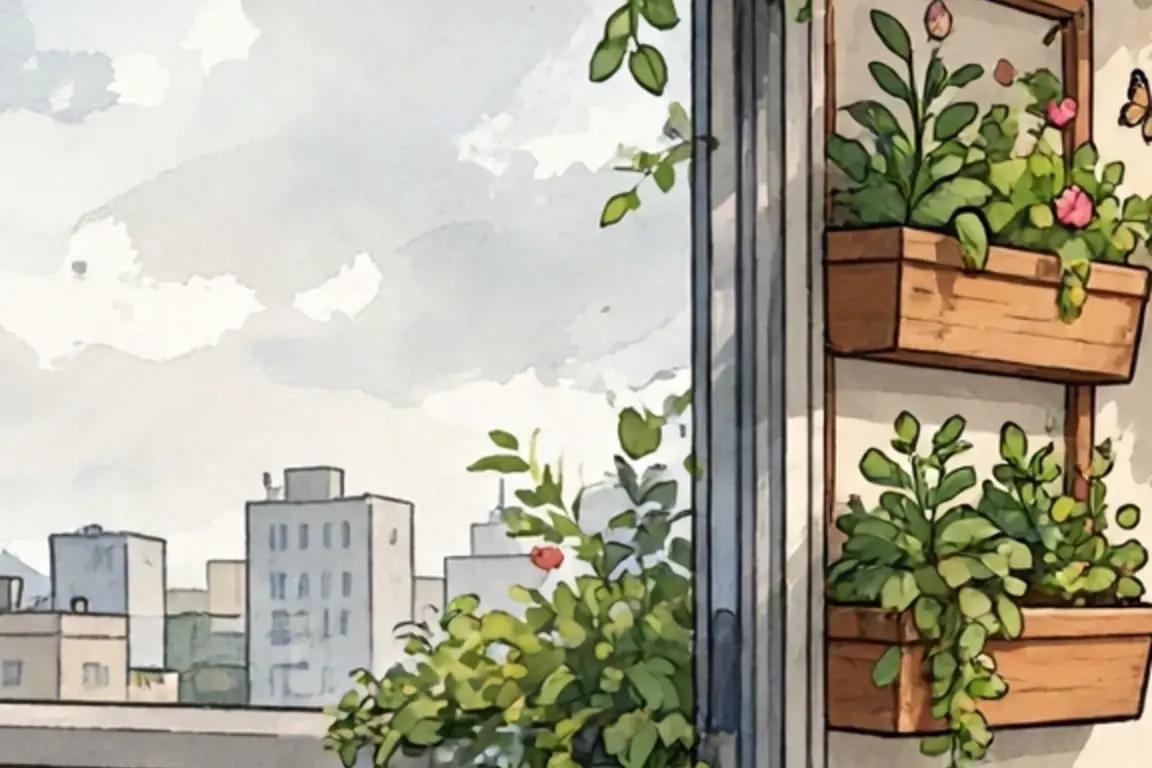
Every garden is two things at once: the living parts and the built parts. Softscape is the living part — soil, plants, trees, lawns and planting beds. Hardscape is the built part — paths, walls, paving, steps, decking, pergolas, planters and drainage channels. A good garden needs both, in the right balance for the site. This guide explains how to think about that balance.
What each half does
Hardscape gives a garden its structure: where people walk, where they sit, where water goes, and what holds the soil in place. Softscape gives it life: shade, colour, fragrance, cooling and the changing seasons. Hardscape without softscape is a courtyard; softscape without hardscape is a field. The balance between them decides how the garden feels, how much water it needs, and how much work it asks for.
Why the balance matters
Drainage: paving sheds water; soil absorbs it. A garden that is mostly paved sends monsoon rain straight to the drains — or to the neighbour's wall. Heat: stone and concrete store summer heat and release it at night; planting cools the same space. Maintenance: hardscape needs occasional cleaning and repair; softscape needs regular watering, pruning and feeding. Cost: hardscape usually costs more to build and less to maintain; softscape costs less to build and asks for ongoing care. The right balance is the one that fits your site, your water and your maintenance reality — not a fixed ratio.
Common mistakes
Too much paving. A fully paved garden is hot, hard to drain and lifeless in summer. If the whole space is stone, the garden has no garden in it. Too much lawn. A lawn the size of the whole plot looks generous in photographs and drinks water all summer. Lawns should be sized to the water available — see our lawn & turf page. Ignoring drainage. Paths and paving must slope water away from the house and toward somewhere it can go. Drainage planned after paving is drainage done twice.
How to decide the split
Start with use, not looks. Where do people walk? Where do they sit? Where do children play? Those answers draw the hardscape: paths, seating and play areas. Then ask about water: how much can you realistically give, and where does monsoon water go? That sets the lawn and bed areas. Then maintenance: who will prune, mow and water, and how often? A garden designed for the maintenance it will actually get always beats a garden designed for the maintenance it should get.
Materials, honestly
Stone and pavers last well and handle Indian heat, but they need proper bases and joints, and they get hot underfoot in May. Decking is comfortable and warm-looking, but wood needs care in monsoon humidity and direct sun. Gravel is cheap, drains well and suits paths and dry areas, but it migrates onto lawns and into the house. Concrete is practical and plain; it cracks if the base is poor. There is no perfect material — only the right one for the spot, the budget and the upkeep. For pots and planters, our pot comparison guide covers the same trade-offs at small scale.
FAQs
Can I add hardscape to an existing garden? Yes — paths, edging and seating can be added without starting over, as long as drainage and existing trees are respected. A site visit is the right first step.
Does hardscape need planning permission? That depends on the structure and the local rules. Permanent structures, boundary walls and significant construction may need approvals — check local requirements before building.
Planning a garden from scratch? Start with our complete guide to landscaping in India, or see residential landscaping for how we work.
Is page ko Maali Uncle app mein kholo: app mein kholo